

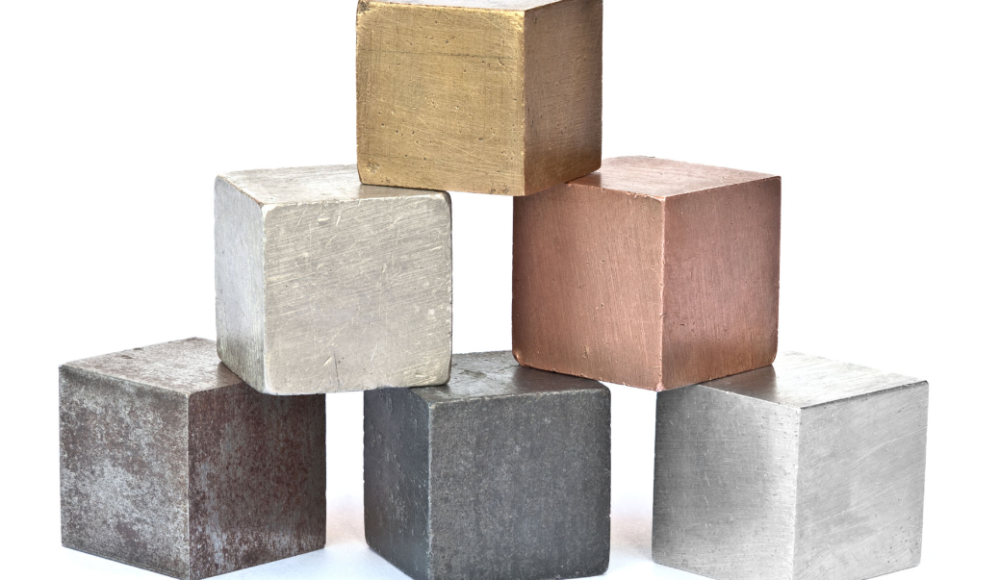
Metal is a fundamental building block of the modern world, serving as the backbone of infrastructure, machinery and countless everyday items. The strength of metals is a critical aspect that determines their suitability for various applications. In this article, we will delve into the concept of metal strength, the Metal Strength Chart, common properties of metal materials and why strength is such a vital factor. We will also differentiate between strength and toughness in metals and explore the strongest and softest metals.
What is Metal Strength?
Metal strength refers to a material’s ability to withstand external forces without deformation or failure. It is a fundamental property that influences the durability, reliability, and safety of metal structures and components. Understanding metal strength is crucial for engineers, designers and manufacturers when selecting the right materials for specific applications.
The Metal Strength Chart
Certainly, here’s a simple metal strength chart in tabular form that compares various metals based on essential parameters. Alongside, I have included a list of important parameters to consider when selecting the right metal for your project.
|
Metal Type |
Yield Strength (MPa) | Tensile Strength (MPa) | Density (g/cm³) | Hardness (Brinell) |
| Steel (Mild) | 250 | 400 | 7.85 | 120 |
| Stainless Steel | 250 | 700 | 7.9 | 160 |
| Aluminum | 50 | 100 | 2.7 | 30-50 |
| Titanium | 100 | 300 | 4.5 | 70-150 |
| Copper | 70 | 210 | 8.96 | 35-99 |
| Brass | 150 | 350 | 8.4 |
80-100 |
Important Parameters for Selecting the Right Metal
1. Yield Strength
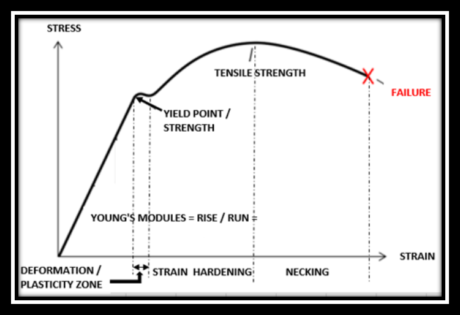
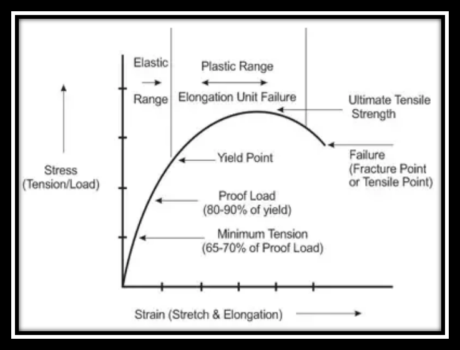
The yield strength of a metal represents the stress at which the material starts to deform plastically. It’s crucial for determining its ability to withstand load without permanent deformation.
2. Tensile Strength
Tensile strength measures the maximum stress a material can endure when subjected to a stretching or pulling force. It’s essential for assessing a metal’s resistance to breaking under tension.
3. Density
Density is the mass of a material per unit volume. It affects the weight and overall structure of a project. Low-density metals are suitable for lightweight applications, while high-density metals provide durability.
4. Hardness (Brinell)
Hardness indicates a metal’s resistance to indentation, wear, and abrasion. It’s vital for understanding a material’s durability and its ability to withstand machining and wear.
5. Corrosion Resistance
For projects in corrosive environments, the metal’s ability to resist corrosion, rust, or chemical reactions is critical. Stainless steel, for example, excels in this regard.
6. Machinability
The ease with which a metal can be machined, cut, or shaped is important for fabrication and manufacturing processes.
7. Thermal Conductivity
In applications involving temperature variations, the ability of a metal to conduct and dissipate heat is essential. Materials like copper are known for their high thermal conductivity.
8. Electrical Conductivity
When electrical conductivity is a requirement, metals like copper and aluminum are often preferred for electrical and electronic applications.
9. Cost
The cost of the metal, including its availability and market price, plays a significant role in material selection. Balancing performance and budget are crucial.
10. Workability
Some metals are more malleable and ductile than others, making them suitable for forming and shaping during the manufacturing process.
11. Weight
The weight of the metal is a crucial factor, especially in applications where lightweight materials are preferred for fuel efficiency or handling ease.
12. Environmental Impact
Consider the environmental impact of the metal, including its recyclability and sustainability, for eco-friendly projects.
13. Compatibility
Ensure that the selected metal is compatible with other materials and components in your project.
By carefully evaluating these parameters and using the information provided in the metal strength chart, you can make informed decisions when choosing the right metal for your project, taking into account factors such as strength, weight, cost and the specific requirements of your application.
Common Properties of Metal Materials
Metal materials share some common properties that contribute to their strength:
1. Crystal Structure
Metals have a crystalline structure that allows them to withstand external forces through atomic bonding.
2. Ductility
Ductility is the ability of a metal to deform without breaking. It enhances a material’s ability to absorb energy and deform plastically.
3. Hardness
A material’s hardness determines its resistance to deformation and wear. It’s crucial for assessing strength.
4. Elasticity
Elasticity is the ability of a material to return to its original shape after deformation. It influences how a metal responds to stress.
Why is Strength an Important Factor?
Strength is a critical factor in material selection for various reasons:
1. Safety
Strong materials are essential for ensuring the safety of structures and components, especially in applications involving heavy loads or high stress.
2. Durability
Materials with high strength are more durable and less likely to fail prematurely, reducing maintenance and replacement costs.
3. Performance
Strength directly impacts the performance of metal components, allowing them to perform under challenging conditions.
4. Efficiency
Strong materials lead to more efficient designs, as they allow for lighter and more streamlined structures.
Strength VS. Toughness in Metals
Strength and toughness are related but distinct properties:
- Strength measures a material’s ability to withstand an applied load without breaking. It is typically assessed using measurements like tensile strength and compressive strength.
- Toughness evaluates a material’s ability to absorb energy and deform plastically without fracturing. Toughness is crucial in applications involving impact or dynamic loads and is assessed using impact tests.
The Strongest Metals
Several metals are known for their exceptional strength:
- Tungsten: Tungsten is one of the strongest metals with an incredible tensile strength. It’s commonly used in high-temperature and high-stress applications.
- Steel: Different steel alloys, such as high-strength steel, are renowned for their combination of strength and toughness, making them versatile for various applications.
- Titanium: Titanium is strong and lightweight, making it an ideal choice for aerospace and medical implants.
- Chromium: Chromium alloys, including stainless steel, are known for their strength, corrosion resistance, and durability.
Soft Metals
Soft metals are the opposite of strong metals and tend to be more malleable and less resistant to deformation. Examples of soft metals include:
- Lead: Lead is a very soft metal, primarily used for its malleability and density, making it suitable for radiation shielding and certain electrical applications.
- Sodium: Sodium is highly reactive and soft, making it unsuitable for most structural applications but useful in chemical reactions.
- Aluminum: Aluminum is relatively soft compared to some other metals but is prized for its low density, corrosion resistance and ease of machining.
Conclusion
Metal strength is a fundamental property that influences the suitability of metals for various applications. Understanding the Metal Strength Chart and the distinctions between strength and toughness is essential for engineers and designers. By appreciating the importance of strength, we can make informed decisions when choosing metals for structures and components, ensuring safety, durability, and efficiency in a wide range of industries.

1 thought on “Metals Strength: Properties, Chart and Their Significance”