
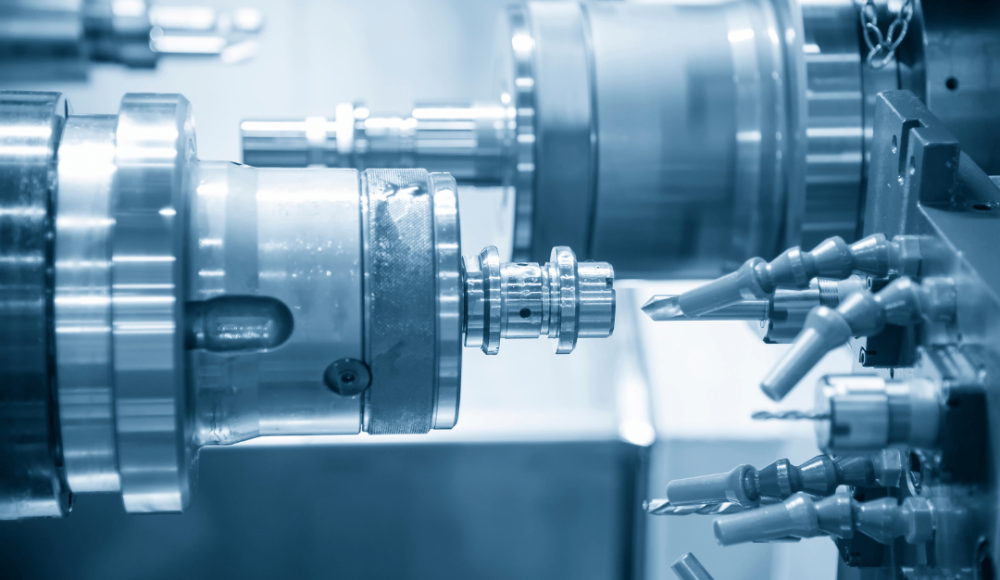
Imagine stepping into a world where precision meets innovation, where every turn shapes the future. Welcome to the realm of CNC Turning. It’s not only about rotating a piece of metal; it’s an art form that transforms raw materials into intricate parts with impeccable accuracy. Think this is another manufacturing process? Think again. In this article, we’re diving deep into the heart of CNC Turning.
P.S. If you thought CNC Turning was simply another cog in the machine, you’re in for a surprise. It’s a game-changer in the world of manufacturing, blending technology and craftsmanship like never before. Let’s get turning!
What is CNC Turning?
CNC Turning stands as a cornerstone in modern manufacturing, a process that has revolutionized how we create parts and components. At its core, CNC Turning involves a cutting tool removing material from a rotating workpiece and shaping it into precise geometries. This method is pivotal in producing cylindrical parts where accuracy and detail are paramount.
The Impact in Modern Manufacturing
CNC Turning has become indispensable in today’s manufacturing landscape. It offers unparalleled precision, efficiency, and repeatability, making it a go-to process for industries ranging from aerospace to medical devices. The ability to produce complex parts with tight tolerances has not only improved product quality but also opened doors to innovative designs that were once deemed impossible.
A Journey Through Time: The Evolution of CNC Turning
The roots of CNC Turning trace back to the early 20th century, with the advent of the first lathes. These manually operated machines laid the groundwork for the sophisticated CNC (Computer Numerical Control) systems we see today. The transformation began in the 1940s and 1950s with the introduction of numerical control, which John T. Parsons developed alongside MIT. This marked the beginning of a new era where machines were controlled by numbers punched into paper tape.
The 1970s saw a significant leap in integrating computers into this technology, leading to the first true CNC machines. This evolution brought about a dramatic increase in the capabilities and complexities of what could be achieved. Today, CNC Turning machines are marvels of technology, capable of creating parts with intricate details and in materials that range from metals to plastics.
CNC Turning has evolved from a manual craft to a highly technical process, shaping the backbone of modern manufacturing. Its journey mirrors the advancement of technology, reflecting our relentless pursuit of precision and efficiency. As we continue to push the boundaries of what’s possible, CNC Turning remains at the forefront, turning raw materials into the building blocks of innovation.
What Shapes Can CNC Turning Make?
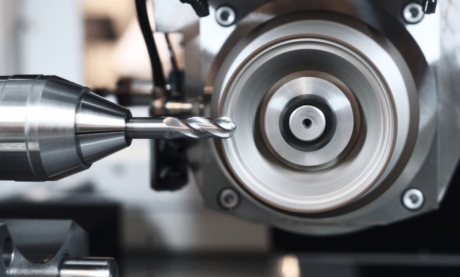
CNC Turning is a maestro of geometry, adept at crafting a wide array of shapes with meticulous precision. This versatility is one of its most compelling attributes, allowing it to meet diverse design and functional requirements across various industries.
From Simple to Complex: The Range of Shapes
The beauty of CNC Turning lies in its ability to produce simple and complex shapes. It excels in creating cylindrical parts, but that’s the tip of the iceberg. Here’s a glimpse of the shapes it can masterfully create:
- Cylindrical Shapes:The bread and butter of CNC Turning, perfect for creating shafts, rods, and spindles.
- Tapered Forms:Cones and tapered structures are effortlessly shaped, crucial for applications requiring aerodynamic or fluid flow properties.
- Contoured Surfaces:Smooth, contoured profiles are achievable and ideal for ergonomic designs or parts that must fit precisely with others.
- Grooves and Slots:Precision grooves and slots are essential for parts that require interlocking or assembly.
- Threaded Surfaces:CNC Turning can produce internal and external threads vital for fasteners and connectors.
Beyond the Ordinary: Advanced Geometries
With advancements in CNC technology, the capability to produce even more intricate shapes has become a reality. Complex geometries that were once challenging or impossible to achieve with traditional methods are now feasible. This includes multi-axis turning operations, allowing off-center holes, complex curves, and sculpted forms.
What do You Need to Make A CNC-Turned Part?
Creating a CNC-turned part is like orchestrating a symphony; every element must harmonize perfectly. Each step is crucial in shaping the masterpiece from the initial design to the final cut. Let’s delve into the key components needed to bring your CNC-turned part to life.
The Blueprint: Designing Your Piece
The journey begins with a blueprint – the design of your piece. This is where your vision takes shape, translated into a digital format. Using CAD (Computer-Aided Design) software, you’ll craft a detailed representation of the part. This design dictates the final shape and guides the CNC machine’s precise movements. It’s essential to consider factors like tolerances, dimensions, and the integration of the part with other components.
The Dance of Cutting Speed and Feed Rate
Next, enter the dynamic duo of CNC Turning: cutting speed and feed rate. These two factors work in tandem to determine the quality and efficiency of the turning process.
- Cutting Speed:This is the speed at which the material moves past the cutting tool, usually measured in surface feet per minute (SFM). The right speed is crucial for a clean cut and can vary based on the material and the type of cut desired.
- Feed Rate:This refers to how fast the cutting tool moves into the material. Measured in inches per minute (IPM), the feed rate affects the surface finish and tool life. Finding the perfect balance between cutting speed and feed rate is key to efficient and precise CNC Turning.
Choosing the Right Raw Material
The raw material is the canvas for your CNC-turned part. The choice of material significantly impacts the part’s properties, such as strength, weight, and corrosion resistance. Common materials include metals like aluminum, steel, brass and plastics like nylon and polycarbonate. The selection hinges on the part’s intended use and the environment it will operate in.
Crafting a CNC-turned part is a meticulous process that blends art with engineering. It starts with a well-thought-out design, followed by a carefully calibrated dance of cutting speed and feed rate, all playing out on a chosen canvas of raw material. Each element is pivotal, converging to create a part and a testament to precision engineering.
Applications of CNC Turning
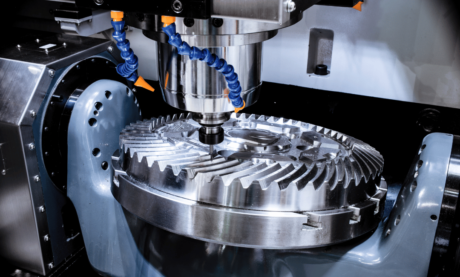
CNC Turning, a marvel of modern engineering, has found its way into various industries, each harnessing its precision and versatility. Let’s explore how this technology makes waves in the automotive, electrical, and aerospace sectors.
Transforming the Automotive Industry
CNC Turning is a game-changer in the automotive world, especially with the shift towards lightweight, efficient vehicles. A notable example is the Ford F-150 pickup truck. Traditionally, pickup trucks relied on steel for strength, but this came with the cost of increased weight and fuel consumption. In a groundbreaking move, Ford shifted to aluminum components for the F-150, significantly reducing its weight by about 700 pounds.
This was made possible through CNC Turning, which allowed for the precise manufacturing of complex aluminum parts. The result? A pickup truck that sets new standards in performance and efficiency, showcasing the incredible potential of CNC turning in automotive manufacturing.
Electrifying the Electrical Industry
In the electrical industry, CNC Turning plays a crucial role in creating precise and reliable components. Electrical systems demand components that meet exact specifications to ensure safety and functionality. CNC Turning steps up to this challenge, producing parts like connectors, insulators, and conductive housings with impeccable accuracy. This precision is vital in an industry where even the smallest error can have significant consequences.
Soaring High in the Aerospace Industry
The aerospace industry, known for its stringent standards, finds a reliable ally in CNC Turning. Here, the focus is on creating parts that are precise and able to withstand extreme conditions. Components for aircraft engines, landing gear, and cockpit instruments are a few examples of CNC turning’s precision and ability to work with a variety of materials coming into play.
The technology’s capability to produce lightweight yet strong components is particularly valuable in aerospace, where every ounce matters.
What is the Process of Turning?
CNC Turning, a dance of digital precision and mechanical prowess, unfolds in meticulously orchestrated steps. Each phase is critical, from a digital blueprint to the final physical part. Let’s walk through the key stages of the CNC Turning process.
Step One: Convert the CAD Design File to the CNC Program
The journey begins in the digital realm. Here, your CAD (Computer-Aided Design) file, the detailed blueprint of your part, is transformed into a language that the CNC machine understands. This conversion process involves CAM (Computer-Aided Manufacturing) software, which translates the CAD file into a CNC program, also known as G-code. This code is the set of instructions that guides the CNC machine on how to move, shape, and create your part with precision.
Step Two: Prepare the CNC Turning Machine
Preparation is key. Before the actual turning begins, the CNC machine must be meticulously set up. This involves selecting and installing the appropriate cutting tools and securing the raw material, or workpiece, into the machine.
The machine is then calibrated, ensuring that the cutting tools are positioned correctly and the machine is ready to follow the G-code instructions accurately. This step is crucial as it lays the groundwork for the precision and quality of the CNC-turned parts.
Step Three: Manufacture the CNC Turned Parts
Now, the magic happens. The CNC machine springs to life, following the G-code instructions to the letter. The cutting tool interacts with the rotating workpiece, meticulously removing material to shape the part. Throughout this process, the machine maintains an unwavering focus on precision, adhering to the specified dimensions and tolerances.
The result is a part that perfectly matches the original CAD design, a testament to the synergy between digital precision and mechanical execution.
CNC Turning is a blend of advanced software, precise machine setup, and skilled manufacturing. Each step, from the digital translation of the design to the physical crafting of the part, plays a pivotal role in turning a concept into reality. This process is not just about removing material; it’s about sculpting accuracy and reliability into every turned part.
Types Of CNC Turning Operations
CNC Turning, a versatile and intricate process, encompasses a variety of operations, each tailored to create specific features on a workpiece. These operations can be broadly categorized into two types: Specific Operations, which are primarily external, and Non-Specific Operations, which are generally internal. Let’s delve into each category to understand the diverse capabilities of CNC Turning.
Turning Specific Operations (External)
- Turning:The foundational operation, turning, involves removing material from the exterior of a rotating workpiece to create cylindrical parts. It’s the essence of CNC Turning, shaping the basic form and dimensions.
- Hard Turning:This operation is similar to standard turning but is used for hard materials. Hard turning replaces grinding processes, offering a more efficient way to create parts with tight tolerances and smooth finishes on hard materials.
- Facing:Facing trims the end of a workpiece to produce a flat surface. It’s often the first step in CNC Turning, ensuring a precise starting point for further operations.
- Grooving:As the name suggests, grooving creates grooves or channels on the external surface of the part. This operation requires precision to achieve the correct groove width and depth.
- Parting:Also known as cutoff, parting involves cutting a piece off the workpiece. It’s used to create separate components or to remove finished parts from the raw material.
Non-Specific Operations (Internal)
- Boring:Boring enlarges an existing hole or cylindrical cavity. This operation is crucial for achieving precise hole sizes and smooth internal surfaces.
- Drilling:While commonly associated with creating holes, in CNC Turning, drilling is used to start holes that will be further processed with other operations.
- Threading:This operation involves creating internal threads, which are essential for parts like nuts and bolts. CNC Turning ensures precise thread dimensions and pitch.
- Knurling:Knurling creates a textured pattern on the surface of a part, often for grip enhancement. It’s not about removing material but rather pressing a pattern into the surface.
- Reaming:Reaming is used to refine the size and finish of a hole. It’s a finishing operation, ensuring the hole is smooth and of precise dimensions.
Types Of CNC Turning Machines
In the world of CNC Turning, the machines are as diverse as the parts they create. Each type of CNC Turning machine offers unique capabilities, catering to various manufacturing needs. Let’s explore the primary types of CNC Turning machines: Horizontal Turning Centers, Vertical Turning Centers, Horizontal Lathes, and Vertical Lathes.
- Horizontal Turning Centers: Horizontal Turning Centers are the workhorses of the CNC Turning world. In these machines, the workpiece is held horizontally, allowing for easy access and efficient chip removal. They are versatile and widely used in manufacturing for producing a range of parts, from simple to complex. These centers often come equipped with additional features like live tooling capabilities, allowing for milling operations alongside turning.
- Vertical Turning Centers: Vertical Turning Centers, where the workpiece is oriented vertically, are ideal for handling large, heavy parts. This vertical orientation provides a gravitational advantage, supporting the weight of the workpiece and enabling easier handling and machining of large components. These centers are commonly used in industries where large-scale parts are the norm, such as aerospace and energy.
- Horizontal Lathes: Horizontal Lathes are the traditional lathes where the workpiece spins on a horizontal axis. They are known for their simplicity and effectiveness in turning operations. These lathes are excellent for a wide range of turning tasks, from small, intricate parts to larger, longer components. Their design makes them particularly user-friendly and accessible for operators.
- Vertical Lathes: Vertical Lathes flip the traditional lathe design on its head, with the workpiece rotating on a vertical axis. This setup is particularly beneficial for machining large, heavy, and short workpieces. The vertical orientation minimizes the footprint of the machine, making it a space-efficient option. Vertical lathes are often used for parts like flanges, rings, and discs, where their unique configuration offers distinct advantages.
Each type of CNC Turning machine brings its strengths to the table. Whether it’s the versatility of a Horizontal Turning Center, the large part capability of a Vertical Turning Center, the simplicity of a Horizontal Lathe, or the space efficiency of a Vertical Lathe, these machines are integral to the diverse world of CNC Turning. They stand as a testament to the adaptability and innovation inherent in modern manufacturing.
Components of A CNC Turning Machine
A CNC Turning Machine is a complex assembly of various components, each playing a specific role in the machining process. Understanding these components is key to appreciating the intricacies of CNC Turning. Let’s explore each of these components in detail.
1. Headstock
The headstock is a pivotal component in a CNC turning machine and is often considered the machine’s heart. It’s designed to withstand high torque and forces exerted during turning.
- Construction:Typically made from high-grade cast iron, the headstock provides rigidity and dampens vibrations.
- Main Spindle:The spindle, housed within the headstock, is supported by precision bearings for smooth operation. It’s responsible for holding and rotating the workpiece or tool at various speeds, ranging from a few RPMs to several thousand, depending on the machine’s capability.
- Drive Mechanism:Modern CNC machines often use variable speed motors, allowing for a wide range of spindle speeds to be selected, catering to different materials and cutting requirements.
2. Tailstock
The tailstock complements the headstock by providing additional support for the workpiece, which is especially crucial for longer or more flexible materials. It can be manually or automatically moved along the machine bed and locked in place, providing flexibility for various workpiece lengths. The tailstock’s quill extends and retracts and often houses a live center that rotates with the workpiece, reducing friction and wear.
3. Spindle
The spindle is a key component in terms of the machine’s operational capabilities. Made from high-strength materials, it’s engineered to minimize deflection and vibration during operation. When it comes to bearing quality, high-precision bearings are crucial for the spindle’s performance, influencing the turning operation’s accuracy and finish.
4. Chuck And Collet
The chuck and collet system is essential for workpiece stability and precision.
- Chuck Types:Chucks can be two, three, or four-jawed, pneumatic, hydraulic, or manually operated, each type suited for different workpieces.
- Collet System:Collets provide higher precision for smaller, cylindrical parts. They come in various sizes and shapes to accommodate different diameters and geometries.
5. Lathe Bed
The lathe bed is the CNC Turning Machine’s foundation, ensuring alignment and stability. Typically made from cast iron or steel, it’s designed to absorb vibrations and provide a stable base for other components. It has precision-ground guideways on the bed to ensure smooth and accurate carriage movement.
6. Carriage
The carriage is responsible for the precise positioning of the cutting tool. It includes the saddle (which moves along the bed), the cross-slide (providing transverse movement), and the tool post (holding the tool). Advanced CNC machines use ball screws and servo motors for precise and smooth carriage movement.
7. Tool Turret
The tool turret is a critical component for tool management and changeover efficiency. When it comes to the capacity turrets can hold various tools, with some advanced machines accommodating over a dozen different tools. As far as the indexing mechanisms are concerned, quick and precise indexing mechanisms allow for rapid tool changes, minimizing cycle time.
8. Control Panel
The control panel is the user interface and brain of the CNC Turning Machine. It typically includes a display screen, keypad, and various control knobs and switches. The programming operators input G-code or use CAM software, with some machines offering conversational programming capabilities.
Each component of a CNC Turning Machine plays a critical role in its overall functionality and performance. From the robust headstock and supportive tailstock to the precision of the spindle, chuck, and collet system, the stability of the lathe bed, the accuracy of the carriage, the efficiency of the tool turret, and the control provided by the panel, these components collectively define the machine’s capabilities.
Understanding these technical aspects and specifications is crucial for anyone involved in CNC Turning, ensuring the selection of the right machine for specific manufacturing needs and the optimization of its operation.
What is the Difference Between CNC Milling and Turning?
Understanding the distinction between CNC Milling and Turning is crucial for selecting the right manufacturing process for a given application. These differences hinge on several factors, including workpiece motion, part geometry, surface finish, and tooling considerations.
Workpiece Motion: The Core Difference
The fundamental difference between CNC Milling and Turning lies in how the workpiece and the tool interact.
- CNC Milling:In milling, the workpiece is held stationary on a table while the cutting tool rotates at high speeds. The tool moves along various axes to shape the material. This setup allows for complex cuts, including slots, holes, and intricate pathways.
- CNC Turning:Conversely, in turning, the workpiece itself rotates while a stationary cutting tool removes material. This process is primarily used for creating cylindrical shapes. The rotational motion of the workpiece is the key to its operation.
Versatility in Part Geometry
Both CNC Milling and Turning offer different capabilities in terms of the geometries they can produce.
- CNC Milling:Milling machines are incredibly versatile when it comes to part geometry. They can produce complex shapes and features, including 3D contours, thanks to their multi-axis movement.
- CNC Turning:Turning is more limited to rotational, symmetrical parts. However, with the addition of live tooling capabilities, modern CNC lathes can perform milling operations, expanding their geometric capabilities.
Achieving the Perfect Surface Finish
Surface finish is a critical aspect of both processes, each offering distinct advantages.
- CNC Milling:Milling can achieve a wide range of surface finishes, from rough to mirror-like. The finish is influenced by the tool’s speed, feed rate, and the type of cutter used. Milling can also create specific textures and patterns on the part’s surface.
- CNC Turning:Turning is known for its ability to produce very smooth surface finishes, especially on cylindrical parts. The continuous contact of the tool with the rotating workpiece results in a uniform, high-quality finish.
Tooling and Setup: Time and Cost Considerations
The choice between milling and turning also involves considerations of tooling, setup time, and cost.
- CNC Milling:Milling machines typically require more complex setups, especially for intricate parts. The need for various tools and fixtures can increase setup time and cost. However, the versatility of part geometry often justifies these costs.
- CNC Turning:Turning setups are generally simpler and quicker, particularly for standard cylindrical parts. This can lead to reduced setup costs and faster production times for suitable parts.
The choice between CNC Milling and Turning depends on the specific requirements of the part being produced. While milling offers versatility in complex geometries and surface textures, turning excels in producing smooth finishes on cylindrical parts with more straightforward setups and lower costs.
Is CNC Turning the Right Choice for Your Part?
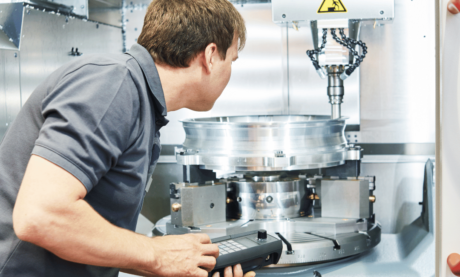
Deciding whether CNC Turning is the ideal process for manufacturing your part involves thoroughly evaluating various factors. These include design considerations such as part geometry, material properties, tolerance requirements, and certain limitations that might render CNC Turning unsuitable for your specific product.
Design Considerations for CNC Turning
Before diving into the specifics, it’s crucial to understand that CNC Turning is particularly effective for certain designs and materials. The process’s capabilities and limitations directly influence whether it fits your project correctly.
Part Geometry
The geometry of your part is a primary consideration. CNC Turning is ideal for symmetrical parts around an axis, such as cylindrical or conical shapes. This includes components like shafts, pins, and threaded rods. Turning allows for precise control over external and internal diameters, leading to high-precision cylindrical parts.
However, suppose your design involves complex external geometries and intricate internal features or requires multiple axes of movement beyond the rotational axis. In that case, you might need to consider combining CNC Turning with other processes like milling to achieve the desired outcome.
Material Properties
The material selection is critical in CNC Turning, as different materials respond differently to the turning process. Materials like aluminum, brass, and certain plastics are known for their excellent machinability, meaning they can be easily cut and shaped without causing excessive wear on the tools.
On the other hand, harder materials like stainless steel or titanium require more consideration regarding cutting speeds, tool choice, and machine capabilities. The material’s machinability affects not only the finished part’s quality but also the manufacturing process’s efficiency and cost-effectiveness.
Tolerance Requirements
Precision is a hallmark of CNC Turning, making it a preferred choice for parts requiring tight tolerances. The process can maintain tolerances within a few thousandths of an inch, which is crucial for parts that need to fit precisely within assemblies or mechanisms.
This precision is particularly important for industries like aerospace, automotive, and medical devices, where even minor deviations can have significant implications. However, it’s important to balance the need for precision with cost considerations, as tighter tolerances can increase the complexity and time required for the manufacturing process.
Factors that Might Make CNC Turning Unsuitable for Your Product
- Complex Geometries:While CNC Turning can produce a variety of shapes, it has its limitations, especially in very complex geometries. Parts requiring intricate details, multiple faces, or non-rotational shapes might be better suited to processes like CNC Milling or additive manufacturing.
- Size Limitations:The size of the part is another critical factor. CNC Turning machines have size limitations based on the swing over the bed and the distance between centers. If your part exceeds these dimensions, producing it on a CNC lathe might not be feasible. Exploring other manufacturing methods or splitting the part into smaller segments could be necessary in such cases.
- High Production Volumes:While CNC Turning is efficient, it might not always be the most cost-effective solution for extremely high-volume production runs. In such scenarios, processes like injection molding or die casting, which can produce large quantities more economically, might be more suitable.
Benefits of CNC Turning
CNC Turning, a cornerstone of modern manufacturing, offers a plethora of benefits that make it a preferred choice for a wide range of applications. From unparalleled accuracy to enhanced safety, this process has numerous advantages.
Accuracy
One of the most significant advantages of CNC Turning is its exceptional accuracy. This precision is paramount in industries where even the slightest deviation can lead to significant issues. CNC Turning machines are capable of maintaining tight tolerances, often within a few thousandths of an inch. This level of precision is essential for creating parts that fit perfectly into their intended assemblies.
Beyond precision, CNC Turning ensures consistency across multiple parts. Even if you’re producing ten pieces or ten thousand, each part will match the specifications of your design with minimal variance.
Flexibility
The versatility of CNC Turning is another factor that contributes to its widespread use. CNC Turning machines can work with a wide range of materials, from metals like aluminum and steel to plastics and composites. This flexibility allows for a broad spectrum of applications across various industries.
With advancements in CNC technology, turning machines can now handle increasingly complex designs. The integration of live tooling allows for additional operations like milling, drilling, and tapping, expanding the range of possible geometries.
Safety
CNC Turning also enhances safety in the manufacturing environment. Since the process is largely automated, direct human interaction with the cutting tools is minimized. This reduces the risk of accidents and injuries associated with manual machining. The enclosed design of modern CNC turning machines ensures that chips, coolants, and other potential hazards are contained, further enhancing safety for operators.
Faster Results
The efficiency of CNC Turning translates into faster production times, a crucial factor in meeting market demands. Modern CNC lathes have quicker setup times compared to traditional machines, especially when producing complex parts. CNC Turning machines operate at high speeds, significantly reducing the time it takes to produce each part. This efficiency is vital for meeting tight production deadlines and reducing overall manufacturing costs.
These benefits make it an invaluable process in the manufacturing sector, catering to the needs of a diverse range of applications and industries. Whether it’s creating intricate components for medical devices or robust parts for the automotive industry, CNC Turning is a reliable and efficient solution.
What is A CNC Machine Used for Alternative Manufacturing Methods?
CNC machines are pivotal in modern manufacturing, offering precision and efficiency. However, they are just one of several methods available for producing parts and components.
CNC Milling
CNC Milling is a versatile and widely used manufacturing process, similar to CNC Turning but with key differences.
- Process and Capabilities:In CNC Milling, the workpiece is stationary while the cutting tool moves along various axes. This allows for the creation of complex shapes and intricate details that are not possible with turning. CNC Milling machines can operate along multiple axes (3-axis, 4-axis, or 5-axis), providing the ability to produce sophisticated 3D geometries.
- Applications:This method is ideal for parts with complex geometries, including prototypes, components for the aerospace and automotive industries, and custom-designed parts. The flexibility in handling various materials and shapes makes CNC Milling a go-to choice for many manufacturing needs.
Injection Molding
Injection Molding is another manufacturing technique that is vastly different from CNC processes.
- Process and Capabilities:It involves melting plastic material and injecting it into a mold cavity. Once cooled, the material solidifies into the desired shape. This method is highly efficient for mass-producing identical plastic parts.
- Applications:Injection Molding is commonly used for producing high volumes of plastic parts, such as packaging, consumer goods, and electronic components. Its ability to produce large quantities quickly and consistently makes it a preferred method for mass production.
Die Casting
Die Casting, particularly for aluminum parts, is a process where molten metal is forced into a mold cavity under high pressure.
- Process and Capabilities:Die Casting is known for producing high-strength, durable parts with excellent surface finish. It’s suitable for metals like aluminum, zinc, and magnesium.
- Applications:This method is widely used in the automotive industry for components like engine blocks, gearboxes, and other parts that require high strength and durability. It’s also used in consumer electronics, appliances, and other industries where metal parts are needed in large volumes.
- Case Study:A study explored the competitiveness of additive manufacturing in making die tools for casting aluminum parts compared to traditional machining approaches. The study focused on SMEs (Small and Medium Enterprises) within the aluminum casting industry. It found that additive manufacturing could improve product quality and significantly reduce time to market by having in-house additive manufacturing capacity. This method is particularly beneficial for producing customized high-value products where price sensitivity is low.
While CNC machines, including milling and turning, are integral to modern manufacturing, alternative methods like Injection Molding and Die Casting offer their unique advantages. The choice of process depends on factors like the material, part geometry, production volume, and specific application requirements. Understanding these different methods allows manufacturers to select the most appropriate and cost-effective approach for their production needs.
FAQs
What are the Machining Axes of Lathes?
Understanding the machining axes of lathes is crucial for grasping how CNC Turning works. In a standard lathe, the primary axis is the Z-axis, which runs parallel to the spindle. This axis controls the longitudinal movement of the tool, allowing it to move back and forth along the length of the rotating workpiece.
The X-axis, on the other hand, is perpendicular to the Z-axis and controls the radial movement of the tool, enabling it to approach or recede from the center of the workpiece.
In more advanced CNC lathes, additional axes can be present. For instance, a Y-axis, which moves perpendicular to both the X and Z axes, allows for off-center milling operations, expanding the machine’s capabilities beyond traditional turning.
Some lathes also feature C-axis capabilities, where the spindle itself can be controlled to rotate at precise angles, enabling operations like drilling and milling to be performed at specific locations on the workpiece. The integration of these multiple axes in CNC lathes enhances their versatility, allowing for the creation of complex and intricate parts.
What are the Three Main Movements in Turning Operations?
The turning operation in CNC machining is characterized by three main movements, each playing a vital role in shaping the workpiece.
- Rotation:The most fundamental movement in turning operations is the rotation of the workpiece. This is achieved by securing the material in the lathe’s chuck or collet, which then rotates at various speeds. The rotation speed can be adjusted depending on the material and the type of operation being performed. This rotational movement allows the lathe to produce cylindrical shapes with high precision.
- Advanced Movement:The advanced movement, often referred to as the feed, involves the tool moving along the length of the rotating workpiece. This movement is controlled along the lathe’s Z-axis. The rate of this movement, or the feed rate, is crucial as it determines the part’s surface finish and the material removal rate. A slower feed rate typically results in a finer surface finish, while a faster rate increases the material removal rate.
- Penetration:The penetration movement refers to the tool moving radially towards or away from the center of the workpiece, controlled along the X-axis. This movement is essential for determining the diameter of the part being turned. The depth of penetration must be precisely controlled to achieve the desired dimensions and tolerances of the part.
These movements, when combined and controlled by the CNC system, allow for the creation of parts with complex geometries and tight tolerances, showcasing the versatility and precision of CNC Turning operations.
Mastering the Art of CNC Turning: Your Path to Precision
As we wrap up this journey through the world of CNC Turning, you’ve gained a wealth of knowledge that empowers you to make informed decisions in modern manufacturing. From the intricate components of CNC machines to the diverse applications and comparisons with other manufacturing methods, you’re now equipped with key insights. Here are the takeaways:
- CNC Turning’s precision and versatility in part geometry.
- The importance of material selection and design considerations.
- Differences and applications of CNC Turning, Milling, Injection Molding, and Die Casting.
- The role of CNC Turning in achieving manufacturing excellence.
CNC Turning isn’t a manufacturing process; it’s a craft that blends technology with precision. As you step forward, remember that the world of CNC Turning is vast and ever-evolving, offering endless possibilities to transform raw materials into masterpieces of engineering. Embrace this knowledge, and let CNC Turning be your guide in the pursuit of manufacturing perfection.

2 thoughts on “CNC Turning: Everything You Need to Know”