

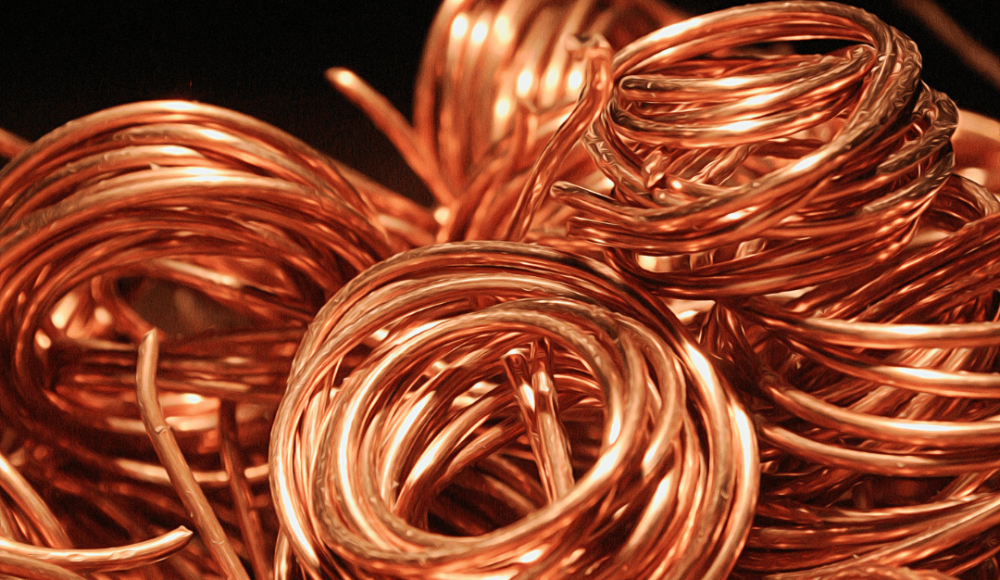
Copper – it’s not only a metal; it’s a story woven into the fabric of our lives, from ancient coins to modern electronics. But how much do you really know about this versatile element? It’s time to peel back the layers and dive deep into the world of copper. You’re about to embark on a journey that will transform your understanding of this familiar yet mysterious material.Ever wondered why copper is such a big deal in everything from your plumbing to your smartphone? Stick around, and let’s unravel the copper conundrum together.
What is Copper?
Copper, a metal that has been a cornerstone of civilization, boasts a history as rich and colorful as its distinctive reddish hue. This journey began over 10,000 years ago. Around 9000 BC in the Middle East, copper became the first metal to be worked by human hands. Its discovery marked a turning point, ushering in the era known as the Chalcolithic or Copper Age. Fast forward to 5000 BC, and we find copper smelting in Serbia, a process that revolutionized metal use and set the stage for an age of innovation.
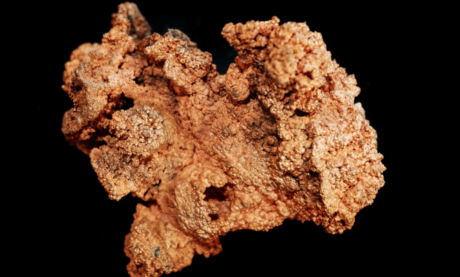
Often referred to by its Latin name, ‘Cuprum’ (hence the symbol Cu on the periodic table), copper is more than a metal with a long history. It’s an element that has shaped cultures and technologies throughout the ages. But what exactly is copper made of? At its core, copper is a chemical element with the atomic number 29. It’s a transition metal notable for its high thermal and electrical conductivity.
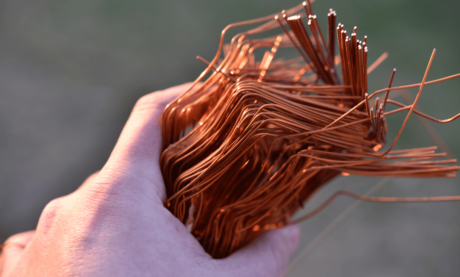
In its purest form, copper is soft and malleable, a striking reddish-orange in color. This metal isn’t found in abundance in the Earth’s crust, but its properties have made it invaluable to human progress. From the coins in your pocket to the wires in your walls, copper’s legacy is everywhere. As we delve deeper into Copper’s story, we uncover a narrative that’s not about metal but about humanity’s ingenuity and its unbreakable bond with this extraordinary element.
What are the Different Processes Used to Make Copper?
Copper’s journey from a raw, natural resource to a versatile metal integral to modern life involves a series of intricate and fascinating processes. Each stage in the production of copper is crucial, transforming it from ore embedded deep in the earth to a refined metal with a multitude of uses. Let’s explore these processes, from the initial extraction from the ground to the final steps of purification and refinement. Understanding these stages not only gives us insight into the complexity of copper production but also highlights the ingenuity of human engineering in harnessing this valuable resource.
Mining
The journey of copper begins deep in the earth’s crust. Mining is the first step in extracting this valuable metal. Copper mines are often open-pit mines, vast open spaces where ore is extracted from large pits in the ground.
However, underground mining is also common, especially when the copper ore is found in deep deposits. In these mines, tunnels, and shafts are dug to access the ore. The mining process involves blasting and drilling to break the ore from the rock, followed by transporting the ore to a processing facility.
Extraction
Once the ore is mined, the extraction process begins. This involves crushing the ore into smaller pieces to separate copper from the surrounding rock. The crushed ore is then subjected to a process called froth flotation.
In this process, the ore is mixed with water and chemicals that cause the copper to attach to bubbles and float to the surface. The copper-rich froth is then skimmed off for further processing, leaving the waste rock behind.
Purification
After extraction, the copper needs to be purified to achieve the desired level of purity. One common method is smelting, where the copper concentrate is heated in a furnace to high temperatures. In the furnace, the copper sulfide is converted into copper and sulfur dioxide gas.
The copper is then poured into molds to form large slabs known as anodes. These anodes are impure copper and require further purification.
Alloying
Copper is often combined with other metals to form alloys, which have different properties than pure copper. For instance, when alloyed with tin, the result is bronze, an alloy known for its hardness and durability.
Alloying involves melting copper and other metals together, allowing them to mix and form a new compound. The proportions of copper and other metals are carefully controlled to achieve the desired properties in the final alloy.
Electrorefining
The final step in copper production is electrorefining. This process involves placing the impure copper anodes in an electrolyte solution. When an electric current is applied, copper ions move from the anode to a thin starter sheet made of pure copper, forming a new, pure copper cathode.
Impurities either fall off and collect at the bottom of the tank or remain in the anode. The result is 99.99% pure copper, ready for various industrial applications.
Each of these processes plays a crucial role in transforming raw copper ore into a versatile and valuable metal used in countless applications worldwide. From the depths of the mine to the intricacy of electrorefining, the journey of copper is a testament to human ingenuity and our ability to harness natural resources.
What are the Characteristics of Copper?
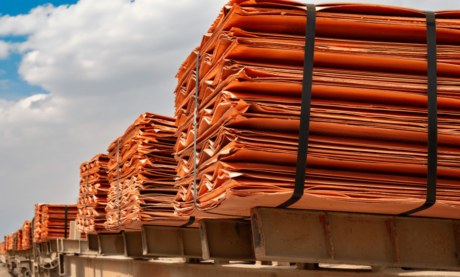
Copper, a metal that’s as unique as it is versatile, stands out with its distinct characteristics, particularly its color and appearance.
The Color of Copper
When you think of copper, its color is likely the first characteristic that springs to mind. Copper’s natural color is a stunning reddish-orange, a hue that sets it apart from other metals. This color is visually striking and indicative of the metal’s unique chemical properties. The reddish tint is due to the way copper absorbs and reflects light due to its electron configuration.
When copper oxidizes over time, it develops a greenish patina called verdigris, often seen on old copper roofs and statues. This patina not only adds aesthetic value but also protects the metal underneath from further corrosion.
The Appearance of Copper
In terms of appearance, copper has a bright, metallic luster when freshly exposed or polished. Its high malleability and ductility mean it can be easily worked into various shapes and forms, from thin wires to large sheets. Copper’s surface is smooth and shiny when polished, but it can develop a more matte finish when exposed to the elements.
This metal is also known for its high thermal and electrical conductivity, which is why it’s often used in electrical wiring and cookware.
Copper’s unique color and appearance have made it a favored material in architecture, art, and design for centuries. Its ability to be shaped and its distinctive hue give it an aesthetic appeal that is both functional and beautiful.
The Power of Combination: Copper Alloys
Copper, in its pure form, is known for its electrical and thermal conductivity, malleability, and distinctive color. However, when alloyed with other metals, its properties can be significantly altered, leading to a variety of alloys with diverse applications. Let’s delve into some common copper alloys, exploring how alloying changes copper’s properties and the specific uses of each alloy.
- Bronze: Bronze, primarily an alloy of copper and tin, is known for its hardness and durability. It typically contains about 12% tin, though the composition can vary depending on the desired properties. Bronze is also resistant to corrosion and metal fatigue, making it a long-lasting material.Due to its strength and resistance to wear and corrosion, bronze is widely used in applications where these properties are crucial. This includes bearings, bushings, gears, and valves in industrial settings. Additionally, its historical significance and pleasing aesthetic make it a popular choice for sculptures, medals, and musical instruments like bells and cymbals.
- Brass: Brass is an alloy of copper and zinc, with the amount of zinc ranging from 5% to 45% depending on the type of brass. This alloy is known for its high malleability, ease of machining, and acoustic properties. Brass also has an appearance like gold, making it aesthetically pleasing.Brass is extensively used in applications requiring low friction, such as locks, gears, bearings, doorknobs, and valves. Its acoustic properties make it ideal for musical instruments like trumpets, trombones, and saxophones. Brass is also commonly used in decorative items and plumbing fixtures due to its bright, gold-like appearance.
- Cupronickel: Cupronickel, an alloy of copper and nickel, contains high levels of nickel, often 25% or more. This alloy is known for its resistance to corrosion in seawater, making it particularly valuable for marine applications. It also maintains a silver-like color, unlike the reddish hue of pure copper.The primary use of cupronickel is in marine environments. It is used for shipbuilding, especially in making propellers, hulls of tugboats, fishing boats, and other sea-faring vessels. Additionally, cupronickel is used in coinage and desalination plants due to its corrosion resistance.
- Other Alloys: Copper can be alloyed with various other metals to produce alloys with specific properties for different applications. For instance, copper-nickel-zinc alloys, known as nickel silvers, are valued for their silver-like appearance and are used in jewelry and silverware. Beryllium copper, containing a small amount of beryllium, is notable for its high strength and electrical conductivity, making it ideal for electrical connectors and springs.
In each of these alloys, the addition of other metals to copper changes its properties significantly. Alloying can enhance strength, corrosion resistance, and machinability and even alter the color of copper, broadening its range of applications. This versatility is what makes copper and its alloys indispensable in modern technology and industry.
What are the Properties of Copper?
Copper, a metal with a rich history and a bright future, possesses a unique set of properties that make it invaluable across various industries. Understanding these properties, both physical and chemical, helps us appreciate why copper is such a versatile and widely used material.
Physical Properties of Copper
Copper’s physical properties are as distinctive as its reddish-orange color. It’s known for its excellent thermal and electrical conductivity, which is surpassed only by silver among pure metals. This high conductivity makes it an ideal material for electrical wiring and components. Copper is also highly malleable and ductile, meaning it can be stretched into thin wires or hammered into thin sheets without breaking. This malleability, combined with its softness, allows it to be easily worked into various shapes and forms.
Another notable physical property of copper is its melting point, which stands at about 1,083 degrees Celsius (1,981 degrees Fahrenheit). This relatively high melting point makes copper suitable for applications that involve high temperatures. Copper’s density is approximately 8.96 grams per cubic centimeter, making it significantly heavier than iron or aluminum. Despite this density, copper’s strength is moderate, and it can be strengthened further by alloying with other metals, such as tin to form bronze.
Chemical Properties of Copper
On the chemical front, copper exhibits several interesting properties. It is relatively less reactive compared to many other common metals. In moist air, it slowly forms a greenish surface layer called patina; this layer is largely copper carbonate, formed as the copper reacts with carbon dioxide and moisture. This patina gives copper structures their distinctive appearance and protects the metal underneath from further corrosion.
Copper’s reaction with oxygen results in copper oxide, a black substance that forms on the surface when heated to red-hot temperatures. However, unlike rust that forms on iron, copper oxide doesn’t flake away, which means it doesn’t expose more of the metal to corrosion. Copper also resists corrosion from salts, making it ideal for use in marine environments.
Copper’s chemical properties also include its ability to form alloys with a variety of other metals. This ability significantly expands its range of applications. For example, when alloyed with zinc, it forms brass, and with tin, it forms bronze. These alloys typically inherit copper’s good conductivity and malleability while gaining additional properties from the other metals, like increased strength or corrosion resistance.
The combination of these physical and chemical properties makes copper an extraordinarily useful metal. Its excellent conductivity, malleability, resistance to corrosion, and ability to form diverse alloys ensure its continued relevance in modern technology, from electronics to architecture. Copper’s properties define its wide range of applications and highlight its irreplaceable role in human civilization.
What are the Different Types of Copper?
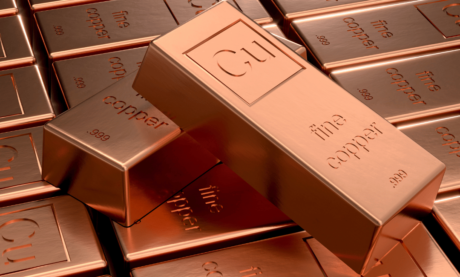
Copper’s versatility is showcased in its various forms and types, each tailored for specific applications and industries. From electrical wire to copper nanoparticles, the range is vast and fascinating. Let’s explore these different types of copper and their unique characteristics.
- Copper Bars: Known for their high conductivity and durability. They are typically rectangular in shape and can vary in size.These bars are used in electrical applications where high conductivity is required, such as busbars in switchboards and power distribution systems.
- Copper Flange: Copper flanges are robust and resistant to corrosion, making them durable in various environments.These are used to connect pipes, valves, pumps, and other equipment in plumbing and heating systems, ensuring a secure and leak-proof connection.
- Copper Rod: Copper rods are long, cylindrical pieces known for their electrical conductivity and malleability.They are widely used in general engineering and in the production of copper wire and cable.
- Copper Alloys: As discussed earlier, copper alloys like brass and bronze have varied properties like increased strength, corrosion resistance, and altered color.These alloys are used in a wide range of applications, from musical instruments to marine hardware.
- Pure Coppers: Pure coppers are characterized by their high conductivity and malleability. They are almost 99.9% copper.This type is used in electrical applications where high conductivity is crucial, such as in high-quality audio systems.
- Copper Nanoparticles: These are microscopic particles of copper with high surface area-to-volume ratios, offering unique chemical and physical properties.Copper nanoparticles are used in electronics, optics, and in various chemical and biological applications.
- Free-Machining Coppers: These coppers have additives that improve their machinability without significantly affecting conductivity.They are used in applications where extensive machining is required, such as in intricate parts for electronic devices.
- Electrical Wire: Electrical wire copper is known for its exceptional electrical conductivity. It’s typically very pure, allowing for efficient electricity transmission.As the name suggests, this type of copper is primarily used in electrical wiring for buildings, industrial machinery, and electronic devices due to its excellent conductivity.
- Copper Tubing: Copper tubing is prized for its thermal conductivity and malleability. It’s available in various sizes and can be easily bent and shaped.This type of copper is commonly used in plumbing, heating, and cooling systems. Its ability to conduct heat makes it ideal for radiators and air conditioners.
- Copper Fasteners: Copper fasteners, including screws, nuts, and bolts, are known for their corrosion resistance and electrical conductivity.They are often used in electrical applications and environments where corrosion is a concern, such as in marine or chemical processing industries.
- Copper Sheets and Plates: These are flat pieces of copper known for their conductivity, malleability, and corrosion resistance.Copper sheets and plates are used in roofing, architectural applications, and in the production of copper statues and sculptures.
- Oxygen-Free Coppers: This type of copper has very low levels of oxygen, leading to improved conductivity and ductility.Oxygen-free coppers are used in applications requiring high conductivity and purity, such as in semiconductor manufacturing and high-quality audiovisual systems.
- Electrolytic Coppers: Produced through electrolytic refining, these coppers are extremely pure and have high conductivity.They are used in electrical applications where high purity and conductivity are essential, such as in high-end audio and video equipment.
Each type of copper serves a specific purpose, leveraging its unique properties to meet the demands of various applications. From the smallest nanoparticle to large copper sheets, the diversity of copper types underscores its indispensability in modern technology and industry.
What are the Applications of Copper?

Copper’s unique properties have made it a material of choice in a wide array of applications. From the circuitry in our gadgets to the coins in our pockets, copper’s presence is ubiquitous. Let’s explore how this versatile metal is used in various sectors.
Electronics
In the realm of electronics, copper is the backbone. Its excellent electrical conductivity makes it ideal for use in electrical circuits, computer chips, and other electronic components. Copper is used in the manufacturing of semiconductors, and its ability to effectively transfer heat helps in cooling electronic devices, ensuring their efficient operation.
For instance, tech giants like Apple and Samsung extensively use copper in the circuitry of smartphones and laptops. Its excellent electrical conductivity makes it ideal for use in electrical circuits, computer chips, and other electronic components.
Infrastructure
Copper plays a significant role in infrastructure development. Its durability, malleability, and resistance to corrosion make it suitable for use in roofing, plumbing, and as a building material in general. A notable example is the Statue of Liberty in New York, where copper is used for its outer layer, giving it its iconic appearance.
Copper’s aesthetic appeal also adds to its desirability in architectural design, giving buildings a distinctive look with copper accents and finishes.
Construction
In construction, copper is used for more than its looks. It’s a key component in heating systems, including radiators and underfloor heating systems, due to its excellent heat conductivity. Copper pipes and fittings are also common in plumbing systems, valued for their longevity and resistance to corrosion.
Copper’s use can be seen in Taipei 101 in Taiwan, where copper’s excellent heat conductivity is utilized in its radiant heating systems.
Plumbing
Speaking of plumbing, copper’s role here is irreplaceable. It is used extensively for water pipes and fittings. Its ability to withstand high pressures makes it ideal for plumbing systems in both residential and commercial buildings.
An example is the extensive use of copper plumbing in the Burj Khalifa in Dubai, ensuring efficient water supply throughout the tallest building in the world. The metal’s antibacterial properties also contribute to maintaining water quality.
Transportation
In the transportation sector, copper is essential in the manufacturing of vehicles. It’s used in the electrical wiring of cars, trains, and planes. The Tesla Model S, an electric vehicle, uses copper in its electric motors, harnessing the metal’s excellent conductivity for efficient power transmission.
The metal’s good conductivity ensures the efficient operation of electrical systems in these vehicles. Copper is also used in the radiators of cars and buses due to its excellent heat exchange properties.
Renewable Energy
Copper is crucial in the renewable energy industry, particularly in solar and wind power systems. It’s used in the coils of wind turbines and in photovoltaic cells for solar panels. Its conductivity and durability ensure the efficient operation and longevity of these renewable energy systems.
The large wind turbines at the Gansu Wind Farm in China, for example, rely on copper for their coils, ensuring efficient energy production.
Medical Equipment
In the medical field, copper’s antibacterial properties are highly valued. It’s used in medical equipment and hospital facilities to reduce the spread of infections. Copper surfaces in hospitals are known to lower the presence of harmful microbes, contributing to a safer healthcare environment.
The use of copper in medical equipment and hospital facilities can be seen in places like the Mayo Clinic, where copper surfaces are used to reduce the spread of infections.
Electrical Wiring
Copper’s most well-known application is perhaps in electrical wiring. Its high conductivity and ductility make it the preferred choice for wiring in homes, offices, and industrial settings. The use of copper wiring in the construction of the International Space Station is a testament to its reliability and efficiency. Copper wiring is reliable, efficient, and safe, making it a staple in electrical systems worldwide.
Coinage
Copper has a long history in coinage. Its durability and workability make it suitable for minting coins. Many currencies, including the U.S. penny, have historically been made from copper or copper alloys due to the metal’s resistance to wear and corrosion.
Industrial Machinery
In industrial machinery, copper is used in motors, wiring, and in various components due to its heat and electrical conductivity. An example is its use in the Large Hadron Collider, where copper’s heat and electrical conductivity are essential for the operation of this massive particle accelerator.
It’s essential in the manufacturing of heavy machinery and equipment used in industries such as mining, construction, and manufacturing.
Copper’s diverse applications are a testament to its versatility and indispensability. From the power lines that light up our cities to the coins that jingle in our pockets, copper continues to be a metal that not only powers but also enriches our daily lives.
What are the Benefits of Copper?
Copper is no a common metal; it’s a powerhouse in various applications due to its exceptional properties. Each benefit of copper plays a crucial role in its widespread use across different industries.
- Electrical Conductivity: Copper’s most celebrated benefit is its electrical conductivity. It has the highest conductivity of all non-precious metals, which explains why it’s the material of choice for electrical wiring and components. This high conductivity means that devices and systems using copper are efficient and reliable, with minimal energy loss during transmission.
- Thermal Conductivity: Copper’s thermal conductivity is another key advantage. It efficiently conducts heat, making it ideal for use in heat exchangers, radiators, and air conditioning systems. This property ensures that devices and systems maintain optimal temperatures, enhancing their performance and longevity.
- Corrosion Resistance: Copper’s resistance to corrosion is a significant benefit, especially in applications exposed to the elements or corrosive environments. This property extends the life of the metal, reducing the need for maintenance or replacement. It’s particularly valuable in plumbing, roofing, and marine applications.
- Malleability: The malleability of copper is a critical feature that allows it to be shaped into various forms without breaking. This property makes copper extremely versatile in manufacturing processes, enabling it to be formed into wires, sheets, tubes, and many other shapes required for different applications.
- Strength: While copper is malleable, it also possesses considerable strength, especially when alloyed with other metals. This strength is crucial in applications where durability and longevity are essential, such as in industrial machinery and infrastructure.
- High Melting Point: Copper’s high melting point (about 1,083 degrees Celsius) makes it suitable for applications involving high temperatures. This property ensures that copper maintains its integrity and performance even under extreme heat, a vital attribute in several industrial processes.
- Ductility: Copper’s ductility, its ability to be drawn into thin wires, is invaluable in the electrical industry. This property, combined with its conductivity, makes copper the ideal choice for electrical wiring, allowing for the creation of efficient and safe electrical networks.
- Antimicrobial: One of the lesser-known but significant benefits of copper is its antimicrobial properties. Copper surfaces kill bacteria and viruses, making it an excellent material for use in medical facilities, public transport, and other areas where hygiene is paramount.
- Health Benefits of Copper: Copper also offers several health benefits. It plays a vital role in the human body, including aiding in the formation of red blood cells, maintaining healthy bones, and supporting the immune system. Copper’s anti-inflammatory properties can alleviate arthritis symptoms, and its antimicrobial nature helps in reducing the spread of infections. Additionally, copper is essential in the production of melanin and collagen, contributing to healthier skin and hair.
The benefits of copper, from its electrical and thermal conductivity to its health advantages, underscore its importance in both industrial applications and everyday life. Its unique combination of properties ensures that copper continues to be a material of choice in a myriad of applications, impacting various aspects of modern living.
What are the Limitations of Copper?
While copper is a highly versatile and widely used material, it’s not without its limitations. Understanding these drawbacks is essential for making informed decisions about its use in various applications.
- Relatively Expensive: One of the primary limitations of copper is its cost. Copper is relatively expensive compared to other metals like aluminum. This cost factor can be a significant consideration in large-scale applications, such as in the construction or electrical industries. The price of copper is influenced by various factors, including mining and processing costs, demand, and global market fluctuations.
- Relatively Heavy: Copper’s density, while beneficial in some respects, also means that it is relatively heavy. This can be a drawback in applications where weight is a critical factor, such as in aerospace or automotive industries. The weight of copper can add to the overall mass of a product or structure, impacting its efficiency or practicality.
- Limited Lifespan: Despite its durability, copper does have a limited lifespan, especially in certain environments. Over time, copper can degrade, particularly in situations where it is exposed to corrosive substances or extreme conditions. This degradation can lead to a need for replacement or maintenance, adding to the long-term costs of using copper.
- Shock Risk: Copper’s high electrical conductivity, while generally an advantage, can also pose a risk of electrical shock if not properly insulated. This is particularly a concern in electrical applications where exposed copper wiring or components can be hazardous if they come into contact with a power source.
- Toxicity: Copper can be toxic in certain forms or under specific conditions. For example, copper dust or fumes can be harmful if inhaled, and high levels of copper exposure can lead to poisoning. This toxicity is a concern in environments where copper is processed or used in powder form, necessitating strict safety protocols to protect workers and the environment.
Despite these limitations, copper’s benefits often outweigh its drawbacks, making it a valuable material in many industries. However, it’s important to consider these limitations when choosing copper for specific applications, ensuring that its use is both safe and effective.
FAQs
Does Copper Rust Easily?
The term ‘rust’ is specifically associated with iron and its reaction with oxygen, resulting in iron oxide. Copper, on the other hand, does not rust in the same way iron does. However, it does undergo a similar process known as corrosion.
When exposed to the elements, particularly oxygen, and moisture, copper undergoes a chemical reaction that forms a greenish layer known as patina. This patina is primarily copper carbonate and acts as a protective layer, preventing further corrosion. Unlike iron oxide, which is flaky and weakens the metal, copper’s patina actually shields the underlying metal, enhancing its lifespan.
This corrosion resistance is one of the reasons copper is favored for outdoor applications, such as roofing and statues.
Is Copper Poisonous to Humans?
Copper is an essential trace element necessary for human health. It plays a vital role in the formation of red blood cells, bone health, and the functioning of the nervous system. However, like many substances, copper can be toxic if ingested in large amounts.
Copper toxicity in humans is rare but can occur due to long-term exposure to high levels of copper, leading to symptoms like stomach pains, dizziness, and vomiting. This is typically only a concern in environments with copper contamination or through prolonged consumption of water with high copper levels. In everyday use, such as in copper cookware or plumbing, copper poses no significant risk to human health when used properly.
Why is Copper a Metal?
Copper is classified as a metal due to its specific physical and chemical properties. It exhibits key metallic characteristics, such as high electrical and thermal conductivity, malleability, ductility, and a shiny appearance when polished. On the atomic level, copper atoms have free electrons in their outer shell, which allows them to conduct electricity and heat efficiently.
These electrons also contribute to the formation of metallic bonds, giving copper its strength and malleability. These properties, combined with its natural occurrence in the Earth’s crust, categorize copper as a metal, and more specifically, as a transition metal in the periodic table.
What is the Difference Between Copper and Brass?
Copper and brass are distinct in their composition and properties. Copper is a pure element with the symbol Cu and is known for its reddish-orange color, high conductivity, and malleability. Brass, on the other hand, is an alloy made primarily of copper and zinc.
The addition of zinc to copper results in a material that is generally harder and less malleable than pure copper. The proportion of zinc in brass can vary, which affects its color and strength; higher zinc content typically results in a lighter color and increased strength.
Brass also exhibits different acoustic properties compared to copper, making it popular in musical instruments. While both materials share some common properties due to their copper content, their different compositions give them distinct characteristics and uses.
Copper: More Than Just A Metal, It’s A Journey
As we’ve navigated the world of copper, from its origins to its myriad uses, it’s clear that this metal is not a part of our daily lives, but a cornerstone of human advancement. You’ve journeyed through the fascinating aspects of copper, gaining insights into its properties, applications, and even its limitations.
- Copper’s historical significance and diverse applications.
- Its unique physical and chemical properties.
- There is a variety of copper types and alloys, each with specific uses.
- Copper’s role in technology, construction, and renewable energy.
- The balance of its benefits and limitations in various industries.
Copper, in all its shimmering, reddish-orange glory, is more than a mere element on the periodic table. It’s a symbol of human ingenuity, a testament to our ability to harness nature’s gifts. As you reflect on this journey, remember that copper is not a material we use; it’s a part of the story we continue to write, a narrative of innovation and progress. Contact us, if you need to know more about it.
2 thoughts on “Unlock the Secrets of Copper: Everything You Need to Know”