
In the world of metals, aluminum stands as a versatile and lightweight material that finds its way into countless applications. Yet, for all its merits, aluminum isn’t without its own set of challenges. Anodized aluminum emerges as a solution to enhance both its aesthetic appeal and durability. In this article, we’ll explore what anodized aluminum is, the various types of aluminum anodizing, how the anodizing process works, its purposes, applications, advantages, limitations, and much more.
What is Anodized Aluminum?
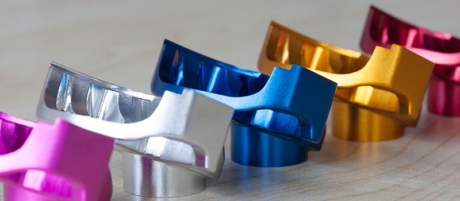
Anodized aluminum is the result of an electrochemical process that transforms the outer layer of aluminum into a thicker, more resilient oxide. This anodic coating provides a range of benefits, including increased corrosion resistance, improved durability, and an opportunity for vibrant coloration.
Types of Aluminum Anodizing
Aluminum anodizing comes in different types, typically categorized as type I, type II, and type III:
· Type I Anodizing
This is a chromic acid anodizing process and provides a thin, corrosion-resistant layer. It’s commonly used as a base for subsequent processes like painting or adhesion.
· Type II Anodizing
This is the standard sulfuric acid anodizing process, resulting in a thicker, more durable coating. It’s often employed in architectural and decorative applications.
· Type III Anodizing
Also known as hard anodizing, it creates an even thicker and harder layer, ideal for applications that require maximum durability, such as aerospace components.
How does Aluminum Anodizing Work?
The process of aluminum anodizing involves immersing the aluminum in an electrolytic solution, with the aluminum acting as the anode. An electrical current is passed through the solution, causing oxygen ions to combine with the aluminum surface to form aluminum oxide. This oxide layer is what provides the enhanced properties of anodized aluminum.
Steps of Anodizing Aluminum
The anodizing process generally consists of the following steps:
1. Preparation
The aluminum surface is thoroughly cleaned and prepared to remove any contaminants.
2. Anodizing
The aluminum is submerged in an electrolytic solution and subjected to an electric current, leading to the formation of the aluminum oxide layer.
3. Coloration (optional)
Anodized aluminum can be colored using various methods, including dyeing and electrodeposition.
4. Sealing
The anodized layer is sealed, enhancing its corrosion resistance.
Anodizing Colors of Aluminum: A Palette of Possibilities
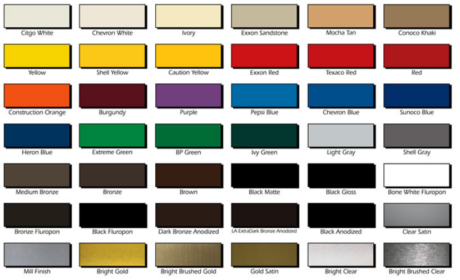
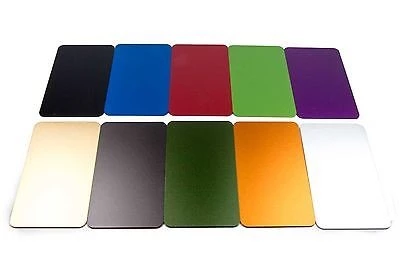
When it comes to aluminum, the possibilities are nearly endless, especially when it comes to color. Aluminum, known for its versatility, lightweight nature, and corrosion resistance, gains an extra layer of appeal through the process of anodization. Anodizing doesn’t just enhance the material’s durability but also opens up a vibrant world of colors. In this article, we’ll take a closer look at the anodizing colors of aluminum and how they can transform the appearance and functionality of this remarkable metal.
A Spectrum of Options
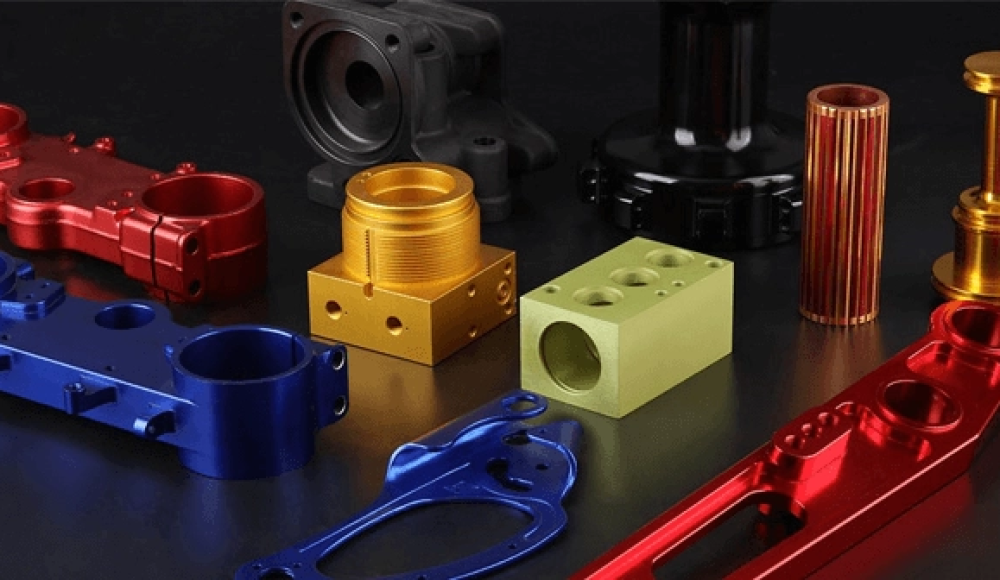
Anodizing allows aluminum to be dyed in an array of colors, limited only by your imagination. Common options include classic silver, black, and gold, but the spectrum extends far beyond these basics. Whether you’re aiming for a sleek and modern look or a bold and vibrant aesthetic, there’s a color to match your vision.
The Dyeing Process
The process of coloring anodized aluminum is relatively straightforward. After the anodizing process, the aluminum is immersed in a dye bath. The porous anodic layer readily absorbs the dye, creating a permanent coloration. The type of dye and the immersion time will determine the final hue.
Natural Variations in Appearance
It’s worth noting that the appearance of anodized colors can vary due to factors such as alloy type, surface preparation, and anodizing parameters. As a result, two pieces of anodized aluminum, even with the same dye and process, may exhibit slight variations in color or tone. This natural variation can be seen as a unique feature, adding character to the material.
Durability and Resistance
One of the remarkable aspects of anodized colors is their durability. The dye is sealed within the anodic layer, making it highly resistant to fading, peeling or chipping. This durability is particularly valuable in applications that demand long-lasting aesthetics, such as architectural elements, consumer goods, and outdoor equipment.
Architectural and Design Applications
In the realm of architecture and design, anodized aluminum offers a wealth of possibilities. It’s frequently employed for cladding, facades, and interior design elements. The ability to choose from an extensive palette of anodizing colors allows architects and designers to create eye-catching, modern structures that stand out and endure the test of time.
Consumer Products
Anodized aluminum is also prevalent in the consumer product world. It’s found in everyday items such as smartphones, laptops, cookware, and even jewelry. The appealing finish and resistance to wear and tear make it an ideal choice for items where both form and function are essential.
The Future of Anodized Colors
The anodizing industry continues to evolve, with ongoing research into improving the color range and consistency. With technological advancements and innovative dyeing techniques, we can expect to see even more stunning and durable anodized colors in the future.
Anodized aluminum offers a broad spectrum of colors, ranging from classic silver to vibrant hues. The coloration process allows for customization, making it a preferred choice for architectural and design applications.
Purpose of Aluminum Anodizing
Aluminum anodizing serves several key purposes:
· Enhanced Corrosion Resistance
Anodized aluminum is more resistant to corrosion compared to untreated aluminum.
· Improved Durability
The anodic layer significantly increases the hardness and wear resistance of the material.
· Decorative and Aesthetic Appeal
Anodized aluminum provides an attractive finish, with a wide range of color options.
· Electrical Insulation
The anodic layer acts as an electrical insulator in certain applications.
Usage of Aluminum Anodizing
Aluminum anodizing finds application in various industries:
· Construction
Anodized aluminum is often used in architectural projects for its aesthetic appeal and durability.
· Aerospace
Type iii anodizing is used for critical components in the aerospace industry.
· Consumer Goods
Many consumer products, from smartphones to cookware, utilize anodized aluminum for its appealing finish and corrosion resistance.
Benefits of Aluminum Anodizing
The advantages of anodized aluminum include:
· Enhanced Durability
Anodized aluminum is more scratch-resistant and durable.
· Aesthetic Versatility
It offers a broad range of color options.
· Corrosion Resistance
Anodized aluminum resists rust and corrosion.
· Low Maintenance
Anodized surfaces are easy to clean and maintain.
Limitations of Aluminum Anodizing and How to Anodize Aluminum
While anodized aluminum offers numerous benefits, it’s essential to consider its limitations, including the possibility of chipping or fading. To anodize aluminum, the process should be carried out with precision and care, adhering to industry standards and guidelines.
How Long Will Anodized Aluminum Last? Is Anodized Aluminum Prone to Rust?
When maintained properly, anodized aluminum can last for decades. It’s highly resistant to rust and corrosion, making it a preferred choice for applications where longevity and durability are paramount.
In conclusion, anodized aluminum is a remarkable solution that transforms a versatile metal into a durable, aesthetically pleasing, and corrosion-resistant material. It has found its way into various industries and applications, offering a wide range of benefits. While it does have its limitations, with proper care, anodized aluminum can provide lasting protection and appeal for years to come.