

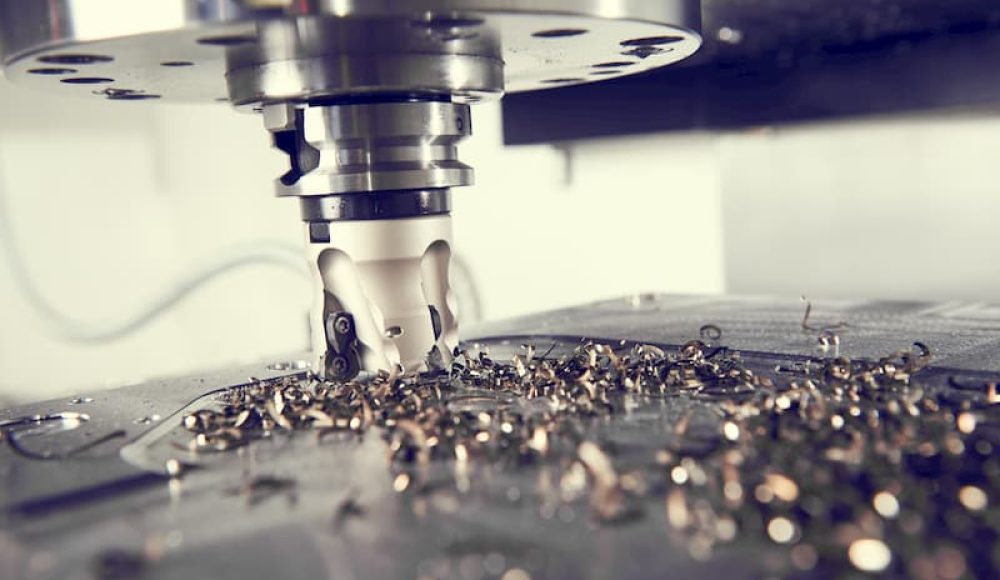
Introduction to CNC Milling Machines
CNC milling machines are the unsung heroes of modern manufacturing and design. These automated workhorses play a pivotal role in creating precise components for a wide range of industries. In this article, we’ll explore what CNC milling machines are, how they function, the services they offer, and much more.
How CNC Milling Machines Work
CNC milling machines operate on the principles of computer numerical control. These machines are directed by a computer program, which translates digital designs into tangible products a workpiece, often composed of plastic, metal, or wood, revolves at the center of a CNC milling machine as a cutting tool precisely removes material. The result is intricately crafted components, all while reducing the margin for human error.
CNC Milling Services: Shaping Your Ideas
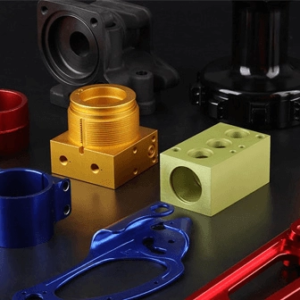
CNC milling services offer a gateway to turn your designs into reality. These services are sought after by a variety of industries, from aerospace to automotive, and even the medical field. The quality and consistency with which the parts and components you require are manufactured is guaranteed by CNC milling.
Custom CNC Milling: Precision at Your Fingertips
If you need parts made to precise measurements, custom CNC milling is the solution. It allows for the production of one-of-a-kind components that meet your exact requirements, ensuring your project’s success.
CNC Milling and Turning
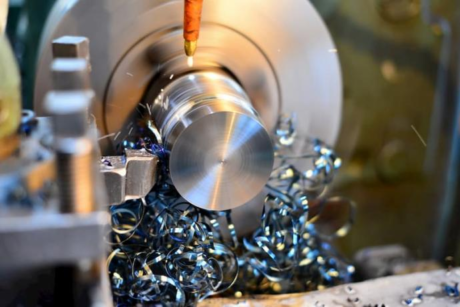
CNC turning and milling frequently go hand in hand. When combined, they are a powerful force for producing a variety of components. CNC turning is superior at creating cylindrical pieces, but CNC milling is good at creating complex shapes. The two processes complement each other seamlessly in the world of precision machining.
The Reason for CNC Machining Equipment
CNC milling machines are primarily used to optimize the production process, making it more accurate and efficient. They are intended to:
- Boost productivity by lowering the need for human intervention, which lowers errors and quickens output.
- Provide consistency and accuracy, resulting in products that are dependable and of excellent quality;
- Make it possible to create complex, customized parts that would be challenging to manufacture manually.
Exploring Different Kinds of CNC Milling Machines
There are several varieties of CNC milling machines, each designed for a particular industry and set of activities. The following are some typical kinds and their uses:
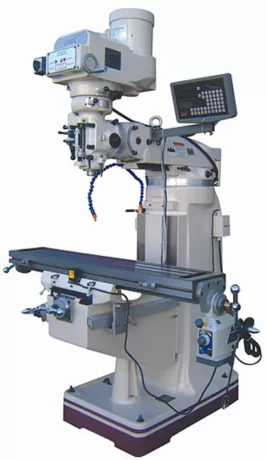
1. Vertical Milling Machine
Ideal for general machining and production, it’s a staple in most machine shops.
2. Horizontal Milling Machine
Suited for heavier, larger workpieces, often found in heavy industries like shipbuilding.
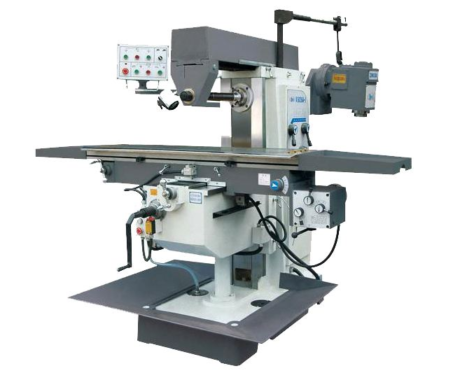
3. Turret Milling Machine
Known for its versatility and ability to handle a wide range of tasks.
CNC Milling Machines’ Uses In Modern Industries
CNC milling machines are used in many different industries, such as:
· Aerospace
Manufacturing precise components for spaceships and airplanes.
· Automotive
Producing axles, gears, and engine parts.
· Medical
Manufacturing parts for apparatus and devices used in medicine.
· General engineering
Producing unique components for various uses.
Disclosing A CNC Milling Machine’s Essential Pieces
Let’s examine some of the main parts of a CNC milling machine to better understand how they function inside and out:
- Spindle
This component rotates and retains the cutting tool.
- Worktable
This is where the workpiece is secured.
- Control panel
Operators input the necessary instructions here.
- Cutting tools
These are the bits and blades responsible for shaping the workpiece.
Maximizing Efficiency
Putting your CNC milling machine to work CNC milling machines are highly regarded for their efficiency. They are characterized by complex component manufacturing and optimized manufacturing processes. Industries across all sectors benefit from the precision and consistency that CNC milling machines provide.
Conclusion
In the world of manufacturing, CNC milling machines are the backbone of precision. They bring digital designs to life with incredible accuracy, creating components that meet stringent standards. From aerospace to medicine, these machines are the foundation of modern industries.
123