

Steel isn’t just a metal; it’s a material that has shaped the modern world. From towering skyscrapers to the knife in your kitchen drawer, steel is everywhere. But what do you really know about it? This guide is your key to unlocking the secrets of steel, from its rich history to its pivotal role in innovation.
What is Steel?
At its core, steel is more than just a strong metal; it’s a versatile alloy that’s become the backbone of modern infrastructure. Think of steel as a superhero of materials, blending iron with carbon and other elements to create a substance that’s tough, durable, and endlessly adaptable.
Steel’s superpower lies in its diversity. Depending on its composition, it can be as flexible as a gymnast or as rigid as a skyscraper. This adaptability makes it a go-to choice for everything from constructing buildings to crafting delicate surgical instruments.
But steel isn’t just about strength and flexibility. It’s also about innovation. With each new alloy combination, we unlock new possibilities, pushing the boundaries of what we can build and create. From the cars we drive to the bridges we cross, steel is at the heart of human progress.
In essence, steel is a story of transformation. From the fiery furnace of its creation to the sleek lines of a modern jet, it’s a material that has evolved alongside humanity, constantly reinventing itself to meet our ever-changing needs.
What is the History of Steel?
Steel’s journey is a tale as old as civilization itself, winding through ancient forges and modern factories. It began over 4,000 years ago when early humans discovered that adding carbon to iron produced a metal stronger than any they had seen. This discovery sparked an age of innovation that propelled societies into new eras.
From the swords of Roman gladiators to the beams of the Eiffel Tower, steel has been a silent witness to history’s turning points. The Industrial Revolution, in particular, marked a pivotal moment. Innovations like Henry Bessemer’s converter process in the 19th century revolutionized steel production, making it more efficient, affordable, and accessible than ever before.
This period of rapid development laid the groundwork for the steel industry as we know it today. Modern steelmaking has become a high-tech process, with precise control over the properties of the finished product. Yet, despite these advances, the essence of steel remains unchanged: a material forged from the Earth, refined by fire, and shaped by human ingenuity.
What is Steel Made of?
Diving into steel’s composition is like peering into a microscopic world of strength and structure. At its simplest, steel is an alloy of iron and carbon, but that’s just the beginning. The real magic happens with the addition of other elements, each bringing its unique properties to the mix.
Carbon is the key player, acting as a hardening agent that gives steel its strength. But too much carbon can make steel brittle, so the balance must be just right. Elements like manganese, silicon, and phosphorus are also common, each serving to enhance the steel’s strength, durability, and resistance to wear and tear.
In specialty steels, elements like chromium, nickel, and molybdenum add characteristics like corrosion resistance and the ability to withstand extreme temperatures. This careful balancing act of elements is what makes steel not just a metal, but a family of materials, each tailored to specific uses and challenges.
Steel’s composition is a testament to human ingenuity. It’s a material crafted not just from the raw elements of the Earth, but from the aspirations and needs of the people who refine it.
How are Steels Made?
Creating steel is both an art and a science, a process refined over centuries into a precise and efficient operation. Here’s how this transformative journey unfolds:
The Raw Materials:
- Iron Ore: The primary source of iron.
- Coal: Converted to coke, it acts as a fuel and carbon source.
- Limestone: Helps remove impurities from the iron.
The Furnace Process:
- Melting: Iron ore, coke, and limestone are melted together in a blast furnace’s intense heat.
- Carbon Infusion: Carbon is added to the molten iron to give steel its strength and hardness.
Refining for Quality:
- Impurity Removal: Unwanted elements are eliminated to ensure purity.
- Element Addition: Elements like chromium, nickel, and molybdenum are added to impart specific properties such as corrosion resistance.
Shaping and Casting:
- Casting into Ingots: Molten steel is poured into molds to form ingots.
- Direct Forming: Alternatively, steel is shaped into beams, rods, or sheets through a continuous casting process.
This methodical approach transforms basic natural resources into the steel that forms the backbone of our modern infrastructure. From the initial melting to the final casting, each step is crucial in defining the steel’s quality and characteristics.
What are the Characteristics of Steel?
Steel is celebrated for its remarkable blend of characteristics, making it indispensable across industries. Let’s break down these key traits:
Strength and Durability:
- High Tensile Strength: Steel’s ability to withstand tension without breaking is unparalleled.
- Durability: It maintains integrity over time, resisting wear and tear in harsh conditions.
Versatility and Machinability:
- Adaptable: Steel can be tailored to suit a vast range of applications, from delicate instruments to massive structures.
- Easy to Shape: Its machinability allows it to be cut, welded, and molded with relative ease.
Special Properties:
- Weldability: Steel’s composition makes it conducive to strong, reliable welding joints.
- Corrosion Resistance: Certain steel alloys are designed to resist rust and corrosion, prolonging their lifespan.
- Conductivity: While not as conductive as metals like copper, steel still plays a crucial role in electrical applications.
- Recyclability: Steel is one of the most recycled materials on the planet, contributing to sustainable development.
Aesthetic and Structural Qualities:
- Color and Appearance: Steel’s natural color ranges from silvery to grayish, and it can be finished in various ways for aesthetic appeal.
- Different Types and Grades: The diversity in steel types, from stainless to tool steel, offers a spectrum of physical properties for specific needs.
These characteristics make steel a cornerstone of modern engineering and construction, offering a perfect blend of strength, flexibility, and sustainability. Whether it’s forming the framework of towering skyscrapers or the intricate components of machinery, steel’s attributes ensure it remains a material of choice.
What is the Color of Steel?
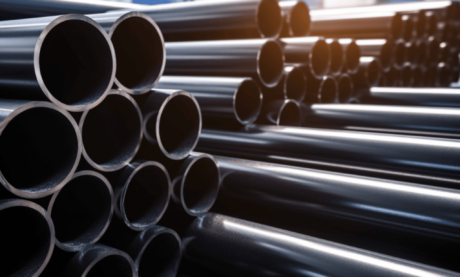
When you think about steel, its color might not be the first thing that comes to mind, but it plays a significant role in its application and aesthetics. Typically, steel exhibits a sleek, silvery-gray hue, a natural reflection of its iron and carbon composition. This color can vary slightly based on the type of steel and its finish:
- Raw Steel: Often has a matte, silvery-gray appearance.
- Stainless Steel: Known for its shiny, reflective surface, thanks to chromium content.
- Coated or Treated Steel: Can appear in various colors if painted, galvanized, or coated for protection or decorative purposes.
What does Steel Look Like?
Beyond its color, steel’s appearance can be influenced by its finish and form. From the rugged, industrial look of raw steel beams to the polished elegance of stainless steel appliances, its look can greatly vary:
- Surface Finish: Ranges from rough and unfinished to smooth and polished.
- Form Factor: Steel can be found in a myriad of shapes and forms, including sheets, rods, beams, and intricate components, each altering its overall appearance.
What are the Different Types of Steel?
Steel’s versatility stems from its array of types, each tailored for specific uses. Let’s delve into the main categories:
Stainless Steel
Characterized by its corrosion resistance, thanks to significant chromium content. It’s ideal for medical instruments, kitchenware, and architecture. Subtypes include:
- Martensitic Alloys: Strong and hard but less resistant to corrosion.
- Ferritic Alloys: Better corrosion resistance with good formability.
- Austenitic Alloys: Highly durable and non-magnetic, commonly used in the food and pharmaceutical industries.
- Duplex Alloys: Combines austenitic and ferritic qualities for enhanced strength and corrosion resistance.
Carbon Steel
Defined by its carbon content and divided into three groups for varying applications:
- Low Carbon (Mild Steel): High ductility, used in construction and automotive parts.
- Medium Carbon: Balances ductility and strength for machinery and rail components.
- High Carbon: Very strong, used in cutting tools and springs.
Alloy Steel
Incorporates various elements like aluminum, copper, and silicon to achieve specific properties like improved strength or resistance to wear and corrosion.
Tool Steel
Known for its hardness and resistance to abrasion, it’s used in cutting and drilling equipment. Varieties include:
- Water-Hardening: Affordable, used for general-purpose tools.
- Oil-Hardening: Offers good abrasion resistance.
- High-Speed: Stays hard at high temperatures, ideal for cutting tools.
Specialty Steels
- Weathering Steel: Develops a protective rust layer that resists corrosion.
- Electrical Steel: Optimized for its magnetic properties, crucial in transformers and motors.
- High-Speed Steel: Retains hardness at high temperatures, perfect for high-speed cutting tools.
Each type of steel brings its unique blend of properties to the table, catering to a broad spectrum of industrial and commercial applications.
What are the Different Grades of Steel?
Steel grades are a way to categorize the different types of steel based on their unique properties and compositions. These grades are defined by various standards organizations, with each grade denoting a specific quality or characteristic of the steel. The most recognized standards include:
- ASTM (American Society for Testing and Materials): Provides a set of standards that define the composition, mechanical properties, and other aspects of steel.
- SAE (Society of Automotive Engineers): Classifies steels primarily used in the automotive and machinery industries.
Grades are essential for ensuring the steel meets the required criteria for its intended use, whether it be strength, corrosion resistance, or suitability for welding.
What are the Properties of Steel?
Steel’s properties are what make it such a versatile and widely used material. These properties include:
- Mechanical Properties: Such as tensile strength, ductility, and hardness, which determine how steel behaves under various forces.
- Chemical Properties: The resistance to corrosion and oxidation, influenced by the steel’s composition.
- Physical Properties: Including density, thermal conductivity, and electrical conductivity, which affect how steel reacts to temperature and electrical currents.
Understanding these properties is crucial for selecting the right type of steel for specific applications, ensuring performance and longevity.
What are the Applications of Steel?
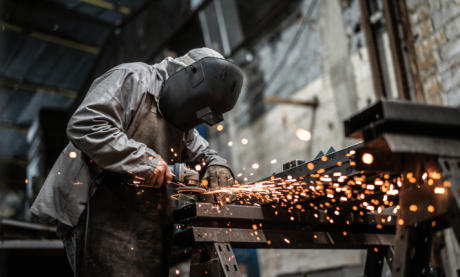
Steel’s wide range of properties makes it suitable for a multitude of applications, impacting virtually every aspect of modern life:
- Transportation: Used in manufacturing vehicles, ships, aircraft, and rail systems due to its strength and durability.
- Construction: Forms the structural framework for buildings, bridges, and infrastructure, offering unmatched strength and flexibility.
- Manufacturing: Essential for machinery, tools, and equipment across various industries, from automotive to textiles.
- Packaging: Steel cans and containers provide durability and protection for food and beverages.
- Medical Equipment: Stainless steel is used for surgical instruments and implants, thanks to its cleanliness and corrosion resistance.
- Sports Equipment: From gym machines to bicycle frames, steel’s strength and flexibility enhance performance and safety.
- Energy Production: Plays a critical role in constructing wind turbines, pipelines, and other energy infrastructure.
These applications showcase steel’s integral role in advancing technology, supporting infrastructure, and improving the quality of life globally.
What Surface Treatments and Finishing Can Be Applied to Steel?
To enhance its performance and appearance, steel undergoes various surface treatments and finishing processes. These techniques not only improve the steel’s aesthetic appeal but also increase its durability and resistance to environmental factors:
- Coating: Applying layers of materials like zinc or paint to protect against corrosion and wear.
- Galvanizing: A specific type of coating that involves dipping steel in molten zinc, providing robust protection against rust.
- Painting: Besides adding color, painting steel can provide an additional layer of protection from the elements.
- Polishing and Plating: These processes enhance the steel’s appearance, making it suitable for decorative and aesthetic applications.
Each finishing technique serves a specific purpose, from improving the steel’s longevity to ensuring it meets the aesthetic requirements of its application.
What are the Benefits of Steel?
Steel is a cornerstone material in numerous industries due to its unparalleled blend of benefits:
- Strength and Durability: Steel’s high tensile strength and durability mean it can withstand extreme conditions and heavy use.
- Versatility: Its ability to be alloyed and treated in various ways makes steel adaptable to countless applications.
- Recyclability: Steel is 100% recyclable without loss of quality, making it an environmentally friendly choice.
- Safety: Its strength and reliability make steel a go-to material for safe structures and vehicles.
These advantages make steel an indispensable material in construction, manufacturing, transportation, and many other sectors.
What are the Limitations of Steel?
Despite its numerous benefits, steel does have some limitations that need to be considered in its application:
- Corrosion: Certain types of steel are prone to rust when exposed to moisture and oxygen without proper treatment.
- Weight: Steel’s density can be a drawback in applications where weight is a critical factor.
- Energy Intensive: The production of steel requires significant amounts of energy, contributing to its environmental footprint.
- Thermal Conductivity: Steel’s ability to conduct heat can be a disadvantage in applications requiring insulation or temperature control.
Understanding these limitations is crucial for optimizing the use of steel in various applications and for developing new alloys and treatments to mitigate these drawbacks.
Why Use Steel?
Choosing steel isn’t just a matter of preference; it’s a strategic decision underpinned by a host of compelling reasons:
- Resilience: Steel stands up to the test of time, weather, pressure, and wear, making it ideal for structures and products demanding longevity.
- Adaptability: With its wide range of types and grades, steel can be customized to meet the specific demands of almost any application, from the precision required in surgical instruments to the robustness needed in construction.
- Sustainability: Given its recyclability, steel offers a more sustainable option compared to many other materials. The ability to recycle steel without degrading its quality means it plays a significant role in the circular economy.
- Cost-Effectiveness: Considering its durability and minimal maintenance requirements, steel is a cost-effective choice over the long term, despite the initial investment.
Steel’s unique combination of strength, versatility, and sustainability makes it a material of choice for challenges across the globe, driving innovation and supporting sustainable development.
Summary
Steel is more than just a metal; it’s a fundamental pillar of modern society. From the tallest skyscrapers to the smallest surgical instruments, steel’s attributes—strength, durability, versatility, and recyclability—make it indispensable.
This guide has walked you through the essence of steel, its history, composition, types, and the myriad ways it shapes our world. Understanding steel is to understand a material that, quite literally, holds our world together, driving progress and innovation in countless fields.
Whether you’re delving into the specifics of steel grades or exploring its applications, remember that steel is a testament to human ingenuity—a material that continues to evolve and adapt, meeting the challenges of each new generation.
FAQs
Is Steel a Metal?
Yes, steel is an alloy made primarily of iron and carbon, making it a type of metal. Its metallic properties include high tensile strength, conductivity, and a shiny, lustrous appearance when polished.
Can Steel Rust?
Steel can rust when exposed to moisture and oxygen, a process known as oxidation. However, certain types of steel, like stainless steel, are made with added elements (e.g., chromium) that provide rust and corrosion resistance.
Is Steel Stronger Than Iron?
Steel is stronger than pure iron due to its alloying elements, particularly carbon, which enhance its strength and durability. The specific strength of steel can vary depending on its composition and treatment.
Is Anything Harder Than Steel?
Certain materials are harder than steel, such as diamonds, which are the hardest known natural material. However, within the context of metals and alloys, specialized steels like high-speed and tool steels are among the hardest.
What is the Difference Between Steel and Metal?
“Metal” is a broad category that includes all metallic elements and alloys, while “steel” specifically refers to an alloy of iron with a small amount of carbon and possibly other elements. Therefore, all steel is metal, but not all metal is steel.
What is the Difference Between Steel and Aluminum?
Steel and aluminum are both metals, but they differ in composition, properties, and applications. Steel is an iron-carbon alloy known for its strength and durability, while aluminum is a lightweight, silver-white metal known for its corrosion resistance and ductility.
Is Steel Environmentally Friendly and Sustainable?
Steel is considered sustainable due to its recyclability. It can be recycled repeatedly without losing its quality, reducing the need for new raw materials and minimizing environmental impact. However, its production is energy-intensive, which is a concern from an environmental perspective.

5 thoughts on “The Ultimate Guide for Steel: Everything You Need to Know”