
Ever wondered why shoulder milling stands out in the machining world? It’s not only another technique; it’s a game-changer. Imagine a process so versatile it transforms how you approach machining tasks. Intrigued? You should be. Shoulder milling isn’t about cutting metal; it’s about precision, efficiency, and pushing boundaries.
You’re about to dive into a world where angles and edges define success. We’ll explore:
- What Is Shoulder Milling?
- Understanding the Shoulder Milling Process and Its Applications
- Types of Shoulder Milling Cutters and How to Choose the Right One
- Shoulder Milling vs. Other Milling Techniques: Key Differences
- How to Get the Best Results from Shoulder Milling
Shoulder milling? It’s not only a process; it’s an art form. Let’s unravel the secrets behind those perfect angles and flawless finishes. Ready to turn the ordinary into extraordinary? Let’s get milling!
What is Shoulder Milling?
Shoulder milling: a term you’ve likely heard in the machining world, but what exactly does it mean? It’s more than just a technique; it’s a precision art that shapes the backbone of many machining projects.
At its core, shoulder milling is a machining process used to create flat surfaces and right-angled edges, or ‘shoulders’, on a workpiece. It’s the go-to method when you need crisp, clean corners and precise depths. Think of it as sculpting with metal, where every cut is a deliberate stroke of genius.
- The Precision Behind the Process: The magic of shoulder milling lies in its ability to produce perfect right angles. This precision is crucial in industries where accuracy is non-negotiable, like aerospace and automotive manufacturing. Imagine a world where even a millimeter’s deviation could mean the difference between success and failure. That’s where shoulder milling shines.
- Not Just Any Cutter Will Do: The secret weapon? Specialized cutters. These aren’t your average tools. Shoulder milling cutters are designed with specific geometries and cutting angles to achieve that much-needed precision. They come in various shapes and sizes, each tailored for different materials and applications. It’s like having a key for every lock.
- A Symphony of Speed and Feed: Speed and feed rates are critical in shoulder milling. Too fast, and you risk a rough finish or even damaging the cutter. Too slow, and you’re wasting precious time and resources. Finding that sweet spot is crucial for optimal performance and longevity of your tools.
Understanding the Shoulder Milling Process and its Applications
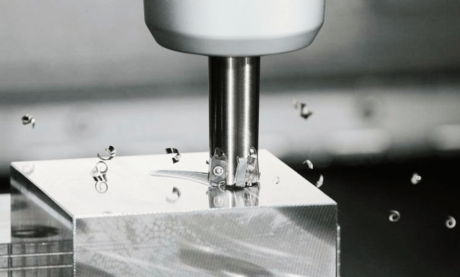
Understanding the shoulder milling process requires delving into its technical aspects, where precision and expertise come to the forefront. This process isn’t about removing material; it’s about how it’s done, with an emphasis on accuracy and efficiency. At its heart, shoulder milling involves a cutter moving along a workpiece, creating a flat surface with a perpendicular edge, the ‘shoulder’.
The cutter, typically with multiple teeth, rotates at a speed measured in revolutions per minute (RPM). This speed, along with the feed rate – the distance the cutter moves per revolution – are critical factors. They determine not only the quality of the cut but also the tool’s life and the efficiency of the operation.
- Cutter Geometry: The cutter’s geometry is a marvel of engineering. The angles and shapes of the cutting edges, known as flutes, are designed to evacuate chips efficiently, reducing heat and wear. This design is crucial, especially when working with tough materials like stainless steel or titanium. The cutter’s material, often carbide or high-speed steel, is chosen based on the workpiece material, balancing hardness and toughness.
- Depth and Width of Cut: Another key aspect is the depth of cut – how deep the cutter penetrates into the workpiece – and the width of cut – how much material is removed with each pass. These parameters must be carefully balanced. Too deep or too wide, and you risk tool breakage or poor surface finish. Too shallow or narrow, and you’re not maximizing efficiency.
- Coolant: Coolant plays a vital role in shoulder milling. It cools the cutting area, reducing the risk of overheating, which can affect both the workpiece and the cutter. It also helps in chip evacuation, keeping the cutting area clean for consistent cuts.
- The Role of Machine Tools: The machine tool, be it a milling machine or a CNC center, must be robust and precise. It needs to handle the forces generated during cutting and maintain accuracy to ensure the shoulder’s perpendicularity. The machine’s rigidity directly impacts the quality of the shoulder milling process.
Shoulder milling is a symphony of speed, feed, cutter geometry, depth and width of cut, coolant, and machine tool capability. It’s a process where every element plays a crucial role, and getting them all in harmony is what leads to flawless shoulders in machined parts. This intricate dance of variables is what makes shoulder milling both a challenge and a delight for machinists.
Applications of Shoulder Milling
Let’s take a deeper look at the different applications of shoulder milling:
Aerospace Component Manufacturing
In the aerospace industry, precision is paramount. Shoulder milling plays a crucial role in creating components with exact dimensions and tight tolerances. The process is used extensively for machining parts like turbine blades, where the right angles and flat surfaces are non-negotiable for aerodynamic efficiency.
The materials used, such as titanium and heat-resistant alloys, demand cutters with specific geometries and coatings. The precision of shoulder milling ensures that each blade’s profile is consistent, contributing to the overall performance and safety of the aircraft.
Automotive Industry
The automotive sector relies heavily on shoulder milling for various components, from engine parts to suspension systems. The process is ideal for creating the flat surfaces and sharp corners found in gearbox housings and cylinder heads.
In automotive manufacturing, speed and efficiency are as crucial as precision. Shoulder milling allows for high material removal rates, reducing machining time without compromising on quality. The ability to use a single tool for multiple features on a part streamlines the production process, enhancing overall productivity.
Die and Mold Making
Shoulder milling is indispensable in die and mold making. The process is used to create the cavities and cores of molds with high precision. The requirement for smooth surface finishes and precise angles in molds for plastic injection or metal casting is perfectly met by the capabilities of shoulder milling.
The complexity of these molds often requires cutters that can handle intricate details and hard materials, making the choice of cutter geometry and material critical in this application.
General Engineering and Fabrication
In general engineering and fabrication, shoulder milling is a versatile tool used for a wide range of applications. From creating keyways and slots to machining structural components, the process is valued for its precision and efficiency. In this sector, materials can vary widely, from soft aluminum to harder steels, necessitating a range of cutters and machining strategies. The adaptability of shoulder milling to different materials and applications makes it a staple in any machine shop.
Electronics and Semiconductor Industry
In the electronics and semiconductor industry, where components are often miniature and require high precision, shoulder milling is used to create the tiny, precise features needed on semiconductor wafers and electronic housings. The process’s ability to produce clean, sharp edges and flat surfaces is crucial in ensuring the functionality and reliability of electronic components.
Each of these applications showcases the versatility and precision of shoulder milling, making it a key process in various industries. The ability to adapt the process to different materials, geometries, and requirements underscores its importance in modern manufacturing and engineering.
Types of Shoulder Milling Cutters
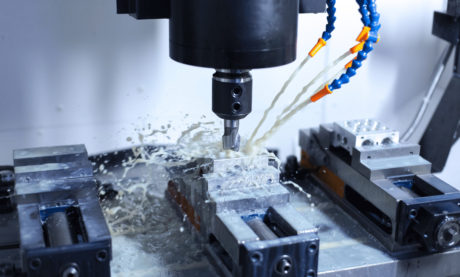
Diving into the world of shoulder milling, one quickly realizes the pivotal role of the cutter. It’s the unsung hero shaping the outcome of your milling operations. The choice of cutter can make or break the precision and efficiency of your work. In shoulder milling, there’s a diverse array of cutters, each designed for specific tasks and materials. Understanding these variations is key to selecting the right tool for your project.
Let’s explore the different types of shoulder milling cutters, unraveling their unique features and applications.Top of Form
1. Indexable Milling Cutter
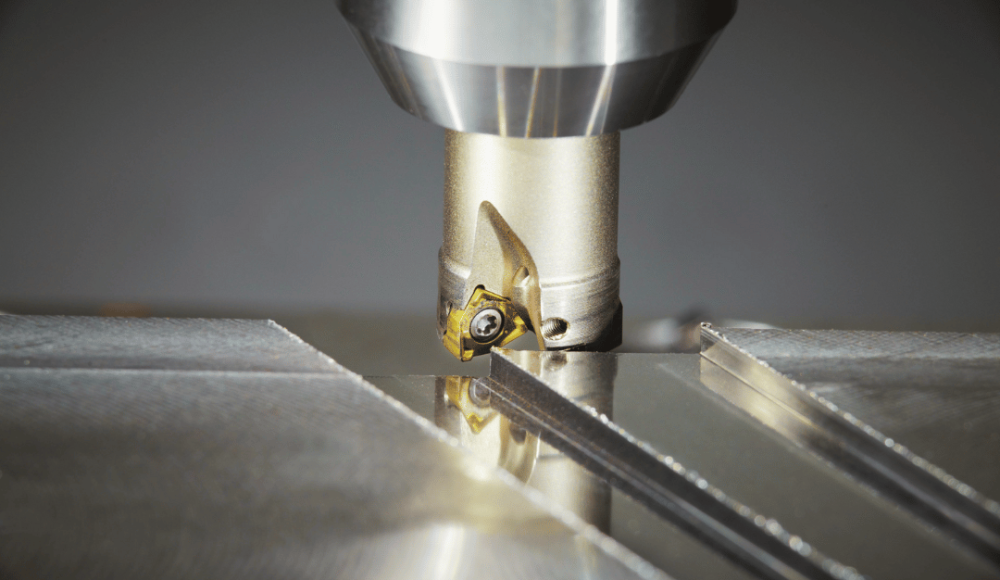
Indexable milling cutters are a popular choice in shoulder milling due to their versatility and cost-effectiveness. These cutters feature removable and replaceable inserts, which means you can change the cutting edges without replacing the entire tool. This design is not only economical but also reduces downtime in production.
The inserts come in various grades and geometries, allowing them to be tailored to specific materials and applications. The ability to rotate the inserts to a new cutting edge also extends the tool’s life, making indexable milling cutters a practical choice for both high-volume production and specialized, precision tasks.
2. End Milling Cutter
End milling cutters are integral in shoulder milling, especially for detailed and intricate work. They are characterized by their flute design, which can vary in number and geometry based on the application. End mills are used for a variety of operations, from roughing to finishing, and are particularly effective in producing small, precise shoulders and slots.
The technical aspects of end milling cutters, such as the helix angle and the material of the cutter, play a significant role in their performance. A higher helix angle, for example, results in a smoother cutting action and is preferred for softer materials.
3. Face Milling Cutters
Face milling cutters are designed for machining large, flat surfaces and are often used in shoulder milling to create broad shoulders. These cutters are distinguished by their large diameter and the use of multiple cutting edges. The size of the cutter allows for a larger area of the workpiece to be machined in a single pass, enhancing productivity.
Face milling cutters are available in various configurations, including different rake angles and insert shapes, to suit different materials and surface finish requirements. The technical design of these cutters ensures efficient material removal and a high-quality surface finish.
4. Square Shoulder Milling Cutters
Square shoulder milling cutters are specialized tools designed to produce precise, 90-degree shoulders. These cutters are known for their ability to create sharp, clean corners, which is essential in many engineering applications. The geometry of the cutting edges is critical in these cutters, as it directly impacts the quality of the shoulder and the tool’s life.
Square shoulder milling cutters are often used in applications where dimensional accuracy and surface finish are critical. The cutter’s design allows for smooth cutting action, reducing the risk of chatter and ensuring a high-quality finish.
5. Solid Carbide Cutters
Solid carbide cutters are renowned for their hardness and resistance to wear, making them ideal for high-speed and high-precision shoulder milling operations. These cutters are made from solid carbide, a material known for its rigidity and thermal stability, which is crucial when machining at high speeds. Solid carbide cutters are particularly effective in machining hard and abrasive materials, such as hardened steel or titanium.
The design of these cutters varies widely, with options for different flute counts, coatings, and geometries, allowing them to be optimized for specific applications and materials. The durability and precision of solid carbide cutters make them a valuable tool in any machining operation.
Each type of shoulder milling cutter offers unique advantages and is suited to specific applications and materials. Understanding the technical aspects and capabilities of these cutters is essential in selecting the right tool for your machining needs.
How to Choose the Right Shoulder Milling Cutter?
Now that you’re familiar with the various types of shoulder milling cutters, the next crucial step is choosing the right one for your specific needs. This decision is more than picking a tool; it’s about matching the cutter’s capabilities to the demands of your project. Factors like material compatibility, cutter geometry, and the technical requirements of your machining process play a significant role.
Now, we’ll guide you through the key considerations to ensure you select the cutter that not only fits but enhances your shoulder milling operations. Top of Form
- Material Compatibility: The first factor to consider is the compatibility of the cutter with the material you’re machining. Different materials impose different demands on the cutter. For instance, machining hard materials like stainless steel or titanium requires cutters made from robust materials like solid carbide or carbide-tipped cutters. These materials offer the necessary hardness and heat resistance. On the other hand, softer materials like aluminum can be machined with high-speed steel (HSS) cutters. The cutter’s material affects its wear resistance, tool life, and the quality of the finish on the workpiece.
- Cutter Geometry: Cutter geometry is crucial in determining the effectiveness of the milling process. This includes aspects like the number of flutes, helix angle, and the shape of the cutting edge. More flutes on a cutter mean a higher material removal rate but can also lead to a reduction in chip evacuation. A higher helix angle results in smoother cutting action and is preferred for softer materials, while a lower helix angle is more suitable for harder materials. The right geometry ensures efficient cutting, optimal chip evacuation, and a desired surface finish.
- Spindle Speed and Feed Rate: The spindle speed and feed rate of your milling machine play a significant role in selecting the right cutter. High-speed machines require cutters that can withstand high rotational speeds without losing their integrity or causing excessive vibration. Solid carbide cutters, for example, are well-suited for high-speed applications due to their rigidity and vibration resistance. The feed rate also influences the choice of cutter, as different cutter designs can handle different feed rates while maintaining precision and surface quality.
- Tool Coatings: Tool coatings can significantly extend the life of a shoulder milling cutter and improve its performance. Coatings like Titanium Nitride (TiN), Titanium Carbonitride (TiCN), and Aluminum Titanium Nitride (AlTiN) provide additional hardness, reduce friction, and increase heat resistance. The choice of coating depends on the material being machined and the machining conditions. For instance, AlTiN coatings are excellent for high-temperature applications, while TiN coatings are suitable for general-purpose milling.
- Workpiece Dimensions and Complexity: The dimensions and complexity of the workpiece also dictate the choice of the cutter. For large, flat surfaces, face milling cutters are ideal due to their large diameter and multiple cutting edges. For intricate and detailed work, end milling cutters with smaller diameters and specific flute designs are more suitable. The cutter’s size and design should match the scale and complexity of the task to ensure efficiency and accuracy.
- Chip Evacuation Efficiency: Effective chip evacuation is essential to prevent re-cutting of chips, which can damage both the workpiece and the cutter. Cutters with efficient chip evacuation designs are crucial, especially in high-material-removal-rate applications. The flute design, helix angle, and cutter geometry all contribute to chip evacuation. In situations where chip evacuation is challenging, such as deep cavities or slots, cutters with specialized flute designs or internal coolant channels may be necessary.
By considering these technical factors, you can select the right shoulder milling cutter for your specific application, ensuring optimal performance, tool life, and quality of the finished product.
Shoulder Milling Vs. Other Milling Techniques: Key Differences
Shoulder milling, while a critical component in precision machining, stands distinct from other milling techniques. Understanding these differences is key to selecting the right milling process for your project.
Shoulder Milling vs. End Milling
End milling primarily focuses on cutting the workpiece vertically, which can be used for drilling, slotting, and creating complex contours. In contrast, shoulder milling is specifically designed for creating flat surfaces and sharp, right-angled edges. While end mills can be used for shoulder milling, dedicated shoulder milling cutters offer greater precision for creating perfect 90-degree shoulders.
| Aspect | Shoulder Milling | End Milling |
| Primary Use | Creating flat surfaces and right-angled edges | Vertical cutting, drilling, slotting, and contouring |
| Cutter Design | Optimized for right angles and flat surfaces | Designed for vertical cutting and complex shapes |
| Surface Finish | High-precision surface finish | Suitable for a variety of finishes, depending on the tool used |
| Material Removal Rate | Moderate, focused on precision | Can vary, often higher due to versatile cutting actions |
Shoulder Milling vs. Face Milling
Face milling is often confused with shoulder milling due to their similar applications in creating flat surfaces. However, face milling cutters are primarily used for machining large, flat areas and typically involve cutting with the tool’s face rather than its edges. Shoulder milling, on the other hand, excels in creating precise shoulders and right angles, making it ideal for jobs requiring high precision in corner detailing.
| Aspect | Shoulder Milling | Face Milling |
| Cutting Action | Primarily uses the edges of the cutter | Uses the face of the cutter |
| Surface Area Coverage | More suited for smaller areas requiring precision | Ideal for large, flat areas |
| Cutter Size | Generally smaller than face milling cutters | Larger diameter for covering more surface area |
| Depth of Cut | Typically shallower, focusing on edge precision | It can be deeper, suitable for bulk material removal |
Shoulder Milling vs. Slot Milling
Slot milling is used to create slots or grooves in a workpiece. While shoulder milling can be used to create the flat bottom of a slot, slot milling cutters are specifically designed for cutting deeper, narrower grooves and may not provide the same level of surface finish or angular precision as shoulder milling cutters.
| Aspect | Shoulder Milling | Slot Milling |
| Primary Application | Flat surfaces and sharp corners | Creating slots and grooves |
| Cutter Geometry | Designed for external edges and surfaces | Optimized for cutting deeper, narrower grooves |
| Depth of Cut | More focused on surface precision than depth | Deeper cuts for creating slots |
| Chip Evacuation | Optimized for shallower cuts | Requires efficient chip evacuation for deeper cuts |
Shoulder Milling vs. Profile Milling
Profile milling involves shaping and contouring workpieces and is often used for irregular or curved surfaces. Shoulder milling, in contrast, is predominantly used for creating flat, angular surfaces. The precision and design of shoulder milling cutters are optimized for creating distinct edges and flat planes, which is not the primary focus of profile milling.
| Aspect | Shoulder Milling | Profile Milling |
| Surface Type | Flat and angular surfaces | Irregular and curved surfaces |
| Precision | High precision in angles and edges | Varied precision, depending on the profile complexity |
| Cutter Path | Linear for creating edges and planes | Contoured to match the profile of the workpiece |
| Tool Movement | Lateral movement for surface creation | Follows a predefined complex path |
Shoulder Milling vs. Plunge Milling
Plunge milling is a technique used for removing material by plunging the cutter directly into the workpiece, similar to drilling. Shoulder milling differs significantly as it involves a lateral movement of the cutter to create flat surfaces and edges. Plunge milling is often used for roughing out material, while shoulder milling provides a finishing touch with high precision.
| Aspect | Shoulder Milling | Plunge Milling |
| Cutting Motion | Lateral movement for surface and edge creation | Vertical plunging motion, similar to drilling |
| Application | Finishing surfaces with precision | Roughing out material, especially in hard-to-reach areas |
| Cutter Load | Distributed along the cutting-edge | Concentrated at the tool’s tip |
| Material Removal | Focused on surface finish | Efficient for removing large amounts of material quickly |
Each milling technique has its unique applications and advantages. Understanding these differences allows machinists and engineers to choose the most appropriate method for their specific machining needs, ensuring optimal results in terms of precision, efficiency, and surface quality.
How to Get the Best Results from Shoulder Milling?
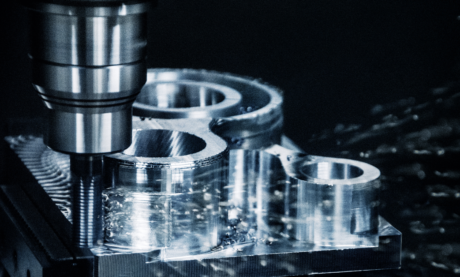
Achieving the best results in shoulder milling is akin to perfecting a fine art. It’s not about having the right tools; it’s about using them in the most effective way. After exploring the types of cutters and how to choose the right one, it’s time to focus on refining your milling process.
The following is dedicated to sharing insights and strategies that will help you maximize the potential of your shoulder milling operations. From tool path optimization to machine calibration, we’ll cover the essential aspects that contribute to superior results.
- Top of Form
- Optimal Tool Path Strategy: Implementing the right tool path strategy is crucial for achieving the best results in shoulder milling. Utilizing techniques like climb milling, where the cutter engages the material in the same direction as the feed, can result in a better surface finish and extended tool life. Additionally, programming the tool path to minimize the number of tool entries and exits in the workpiece can reduce tool wear and improve surface quality. Advanced CAM software can be used to optimize these paths, ensuring efficient and precise material removal.
- Precision Tool Holding: The way the cutter is held in the machine can significantly impact the quality of shoulder milling. Using high-precision tool holders, such as hydraulic or shrink-fit holders, ensures minimal runout and vibration. This precision directly translates to better surface finishes and more accurate dimensions. Moreover, a stable tool-holding setup reduces the chances of tool deflection, especially when dealing with hard materials or complex milling operations.
- Effective Cooling and Lubrication: Proper cooling and lubrication are essential for achieving optimal results in shoulder milling. Effective coolant delivery helps in maintaining the cutting edge temperature, reducing tool wear, and preventing material build-up on the cutter. For materials that are difficult to machine, such as titanium or stainless steel, specialized coolants or lubricants can significantly improve tool life and surface finish. In some cases, using a coolant with anti-corrosive properties can also be beneficial.
- Regular Tool Inspection and Maintenance: Regular inspection and maintenance of shoulder milling cutters ensure consistent performance. Monitoring for signs of wear, such as flank wear or chipping, and replacing or regrinding the cutter as needed can prevent deterioration in the quality of the milling operation. Implementing a maintenance schedule based on the cutter’s material, the type of operations performed, and the volume of work can help maintain optimal milling conditions.
- Utilizing Advanced Cutter Technologies: Advancements in cutter design and technology can greatly enhance the results of shoulder milling. Cutters with variable pitch and helix angles can reduce vibration and improve surface finish. Similarly, multi-corner insert technology allows for multiple cutting edges, increasing tool life and reducing cost per edge. Staying updated with the latest cutter technologies and incorporating them into your milling operations can lead to significant improvements in efficiency and quality.
- Machine Calibration and Stability: The accuracy and stability of the milling machine play a vital role in achieving the best results in shoulder milling. Regular calibration of the machine ensures that it operates within the desired tolerances. Additionally, ensuring the machine’s stability by checking for any loose components or unnecessary vibrations can lead to more precise milling operations. A well-maintained and calibrated machine is fundamental for achieving the high precision required in shoulder milling.
By focusing on these key areas, you can significantly enhance the outcomes of your shoulder milling operations, achieving higher precision, better surface finishes, and more efficient material removal.
Mastering Shoulder Milling: Your Path to Precision
As we wrap up this journey through the intricacies of shoulder milling, you’re now equipped with the knowledge to elevate your machining skills. Remember, mastering shoulder milling is about understanding its nuances and applying them effectively. Here’s a quick recap of what we’ve covered:
- The essence of shoulder milling and its distinct techniques
- Various applications across industries
- The diverse types of shoulder milling cutters
- Key factors in choosing the right cutter
- Strategies to achieve the best results in shoulder milling
Shoulder milling isn’t a process, it’s a craft that shapes the very core of precision machining. With the insights and techniques you’ve gained, you’re now ready to tackle even the most challenging projects with confidence. Embrace the art of shoulder milling, and watch as your work reaches new heights of precision and excellence. Contact us.