
Manufacturing, a cornerstone of our industrialized society, has evolved significantly over the years. From the early days of manual labor to today’s advanced technologies, the quest for precision has become paramount. In this article, we’ll explore the world of manufacturing, the crucial role of precision, and the intricate details of precision manufacturing.
Introduction
Manufacturing is the process of converting raw materials into finished goods. In the grand tapestry of industrialization, precision has emerged as a key player. Why? Let’s delve into the very fabric of manufacturing.
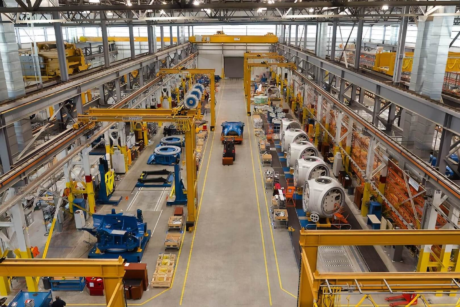
What is Manufacturing?
At its core, manufacturing involves transforming materials into tangible products. This broad field encompasses everything from small-scale artisanal crafts to large-scale industrial production. The history of manufacturing is as diverse as the products it creates, ranging from ancient handcrafting to today’s automated assembly lines.
Purpose of Manufacturing
The purpose of manufacturing extends beyond mere production. It fulfills consumer demands, contributes significantly to the economy, and plays a pivotal role in job creation. Understanding the overarching goals of manufacturing sets the stage for appreciating the need for precision.
Understanding Precision
Precision is the degree of refinement in a process, ensuring consistency and accuracy. Unlike accuracy, which refers to how close a measurement is to the true value, precision focuses on reproducibility. Imagine a world where every product meets stringent quality standards, this is the essence of precision.
Why Precision Matters
Precision isn’t a luxury; it’s a necessity. Whether you’re manufacturing microchips or spacecraft components, precision ensures the highest quality. It impacts product quality, reduces costs, and minimizes waste, making it a critical factor in today’s competitive market.
Precision Manufacturing: In-Depth Description
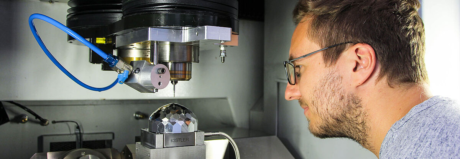
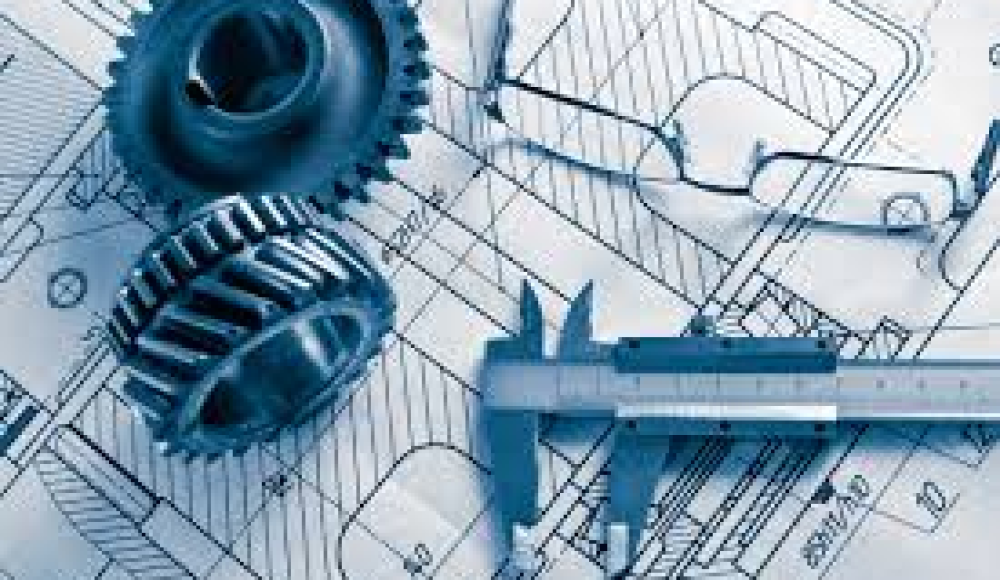
Precision manufacturing involves processes designed to achieve exceptionally high tolerances and exacting standards. Industries such as aerospace, medical, and electronics rely heavily on precision manufacturing to produce components with microscopic precision.
Purpose of Precision Manufacturing
The purpose of precision manufacturing goes beyond meeting standards; it’s about ensuring product consistency. In industries where even the slightest deviation can have catastrophic consequences, precision manufacturing is the safeguard.
Usage of Precision Manufacturing
Precision manufacturing finds applications in a multitude of industries. From the medical field, where precision is vital in surgical instruments, to aerospace, where components must withstand extreme conditions, the impact of precision is widespread.
Tools Used in Precision Manufacturing
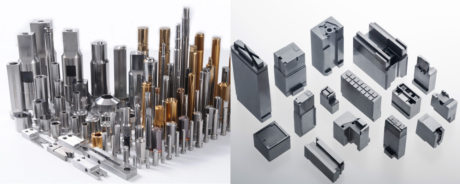
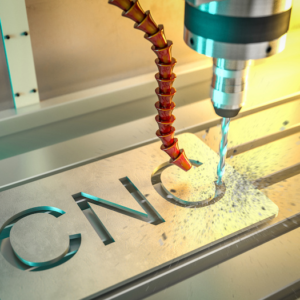
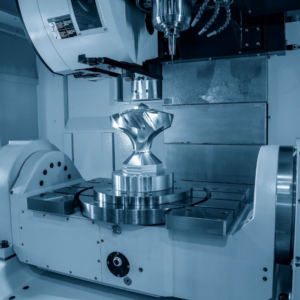
Cutting-edge tools define precision manufacturing. Computer Numerical Control (CNC) machines, advanced measuring devices, and state-of-the-art software contribute to achieving the desired precision levels. Technological advancements continue to push the boundaries of what’s possible.
Differences Between Precision Manufacturing and Normal Manufacturing
The distinctions between precision and normal manufacturing lie in tolerance levels, quality control measures, and applications. Precision manufacturing demands meticulous attention to detail, resulting in products of unparalleled quality.
Precision Manufacturing Vs. Precision Machining
Precision machining, a subset of precision manufacturing, focuses specifically on creating precise components through machining processes. While the terms are often used interchangeably, precision machining hones in on the detailed shaping of parts.
Emphasizing Precision in Today’S Industries
In today’s fast-paced industries, precision remains at the forefront. Advancements in technology, such as Artificial Intelligence and Robotics, are revolutionizing precision manufacturing, ensuring even higher levels of accuracy and efficiency.
The Human Element in Precision Manufacturing
Despite technological strides, the human element remains integral. Skilled professionals with expertise in precision manufacturing contribute significantly to maintaining and advancing industry standards. Ongoing training ensures that the workforce stays ahead of evolving technologies.
Challenges and Solutions in Precision Manufacturing
Precision manufacturing isn’t without challenges. Addressing issues such as material limitations, cost concerns, and maintaining highly specialized equipment requires innovative solutions. Ongoing research and development play a crucial role in overcoming these obstacles.
Conclusion
In conclusion, precision in manufacturing isn’t just a goal; it’s a necessity. From ensuring product consistency to meeting the highest quality standards, precision has become synonymous with excellence. As industries evolve, so does the demand for precision manufacturing. Embracing this evolution is key to staying competitive in today’s global market.
FAQs
1. Is Precision Manufacturing Only Relevant to High-Tech Industries?
Precision manufacturing extends its influence across various industries, including aerospace, medical, and electronics.
2. What Tools are Commonly Used in Precision Manufacturing?
Precision manufacturing relies on cutting-edge tools such as CNC machines, advanced measuring devices, and specialized software.
3. How does Precision Manufacturing Differ from Normal Manufacturing?
Precision manufacturing distinguishes itself through higher tolerance levels, stringent quality control, and applications in critical industries.
4. Can Precision Manufacturing Exist Without Human Involvement?
Despite technological advancements, skilled professionals play a vital role in maintaining and advancing precision manufacturing standards.
5. What Challenges does Precision Manufacturing Face, and How are They Addressed?
Challenges include material limitations and cost concerns, which require ongoing research and development for innovative solutions.