
Introduction of Anodizing
What is Anodizing?
Anodizing is an act that changes metals or shaping the metal in a way to utilize it for years. It has a rich history and gives us plenty of benefits it offers. It became a pivotal technique in the world of metallurgy.
Anodizing is a surface treatment process. It is when we enhancing the oxide layer on metals, especially aluminum, by treating the surface. Many industries use this technique. It’s to make the metal better at resisting corrosion, stronger, and perform well. We dip the metal in a special liquid and run electric current through it for anodizing.
Brief History of Anodizing Process
The research of early 20th-century shows the unique properties of aluminum led to the development of an improved anodizing technique. During the industrial revolution period, those material which is durable and long life, it is in high demand.
If we talk about to safeguarding aluminum Anodizing has become an essential remedy, particularly for safeguarding aluminum, which is used in many industries. The protective oxide layer enhances the longevity and durability of material. Due to the enhancement of durability of material people prefer to use in infrastructure, transportation and industry at this critical time.
Advances in technology additionally improved the anodizing procedure. Technological developments in solutions for electrolytes, power supply, and surface treatment techniques have not only improved anodizing’s efficiency but also improved its potential to a wider variety of metals. Based to this improvement in technology, anodizing has become an effective and efficient surface treatment technique.
With its improved efficiency, anodizing found uses in major industries like aviation and automobiles, where the need for powerful corrosion-resistant materials was important. The process’s capability to coat metal surfaces with protection proved essential in maintaining the dependability of parts that faced severe situations and conditions.
In a nutshell the brief description of the anodizing process indicates an evolution from ancient experiments to an advanced essential method in modern metallurgy. Because of the importance it played in the Industrial Revolution and continuing technological developments, anodizing has become an important factor in the production of durable and resilient metal products for a number of different industries.
Benefits of Anodizing
Durability
The significant improvement in metal lifetime that results from anodizing represents one of the primary effects. The method produces a layer of protection on the metal surface that keeps it safe from weathering and extends its life.
Aesthetics
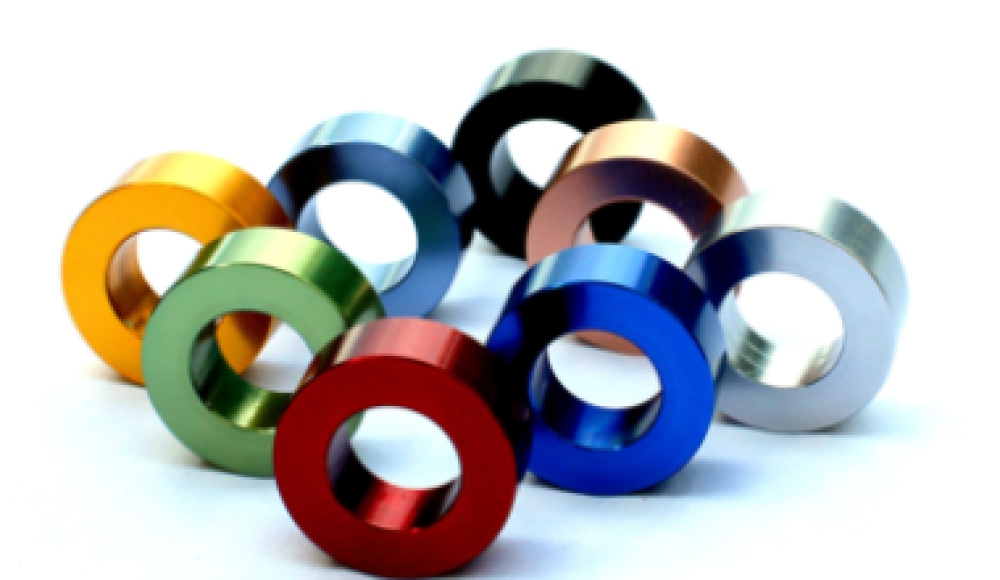
Anodizing improves the physical appealing of metals in addition to their practical uses. A range of finishes and shades can be used in the process, giving designers and engineers flexibility possibilities for what they can create.
Health and Safety
When conducted in compliance with industry guidelines, anodizing is a safe technique. The controlled environment ensures that there are few adverse effects for laborers, and the chemicals used are closely monitored.
Ease of Maintenance
Maintaining anodized surfaces is simple to do. The sprayed anodic coating is an excellent choice for construction elements because it is resistant to stains as well as easy to clean with a light detergent and water.
Color Stability
Anodized surfaces have better color stability over the course of time than standard coatings. The colors offer a long-lasting appearance since they do not fade and remain bright.
Costs
Despite anodizing might involve significant operating costs, the advantages gradually far exceed them. For many different purposes, its longer service life and lower cost of upkeep make it a cheaper option.
Disadvantages of Anodizing Aluminum
Impact on Material Thickness
Anodizing impacts the material’s total thickness through the addition of a coating to the the substance’s surface.
Limited Color Options
Despite there are plenty of shades available with anodizing, it is not as versatile as other coating techniques. There are few choices for design because of the limited color pallet.
Complexity in Touch-Up Repairs
Anodized surface treatment is sometimes easy. Making flawless touch-ups may be challenging due to the complexity of the entire process.
High Initial Costs
The initial costs of anodizing involve expenses for equipment, materials, and chemicals. This could be an issue, especially for smaller initiatives with limited funding.
Not Suitable for Intricate Parts
Parts that are highly complex are not appropriate choices for anodizing. Complex designs may not be evenly coated by the process, making some parts susceptible to corrosion.
Possibility of Uneven Coating
Developing an entirely uniform anodic layer can be challenging. These might be variations in coating thickness, which would affect both its functionality and aesthetics.
Common Applications of Anodizing
Since anodizing may enhance the physical properties of metals, it has applications in a variety of industries. Common applications are as follows:
Aerospace Industry
As anodized aluminum is lightweight and offers better corrosion resistance, it is frequently used in airplanes parts.
Automotive Sector
Anodized parts, especially for crucial parts that provide greater resistance to wear and protection against corrosion in automobiles.
Architectural Applications
Anodized the material in construction gives a visually appealing, resistant to corrosion surface for architectural attributes.
Consumer Electronics
Anodized aluminum is an appealing material for the production of electronics due to its smooth finish and ability to resist corrosion.
Medical Devices
To assure bio compatibility, anti-corrosion properties, and longevity as well, anodizing is used in medical devices.
Considerations for Anodizing Dimensions
Effect on Material Dimensions
Anodizing enhances the outside surface area of a material by layer. In situations in which precise measurements are necessary, this is a significant consideration to take into account.
Improving Material Hardness
Enhanced Wear Resistance and Durability from Improved Material Hardness. Anodizing may greatly improve a material’s hardness.
Enhanced Performance Through Combinations
For improved resistance to corrosion and appearance, anodizing combined with other coatings, including powder coating, can work well.
Impact on Electrical Conductivity
Anodizing can have an effect on a material’s electrical conductivity; therefore, it should be taken into account in applications where conductivity is significant.
What are the Types of Anodizing?
A crucial phase in improving the physical properties of metals, particularly aluminum, is anodizing. If you study and gain an in-depth knowledge of the three types of anodizing, Hard Anodize or Hard Coat, Sulfuric Acid Anodize, and Chromic Acid Anodize.
Type I Anodizing — Chromic Acid Anodize
Chromic Acid Anodize, or Type I anodizing, is known for its thin and dense oxide layer. It finds applications in industries where a thin coating is essential. Common characteristics and applications include:
- Characteristics
- Thin coating
- Good corrosion resistance
- Limited dye options for coloring
- Applications
- Aerospace components
- Military equipment
Chromic Acid Anodize is preferred in situations where a thin, corrosion-resistant layer is required without significantly altering the dimensions of the treated material.
Type II Anodizing — Sulfuric Acid Anodize
Sulfuric Acid Anodize, or Type II anodizing, is one of the most widely used types. It offers a thicker coating compared to Type I anodizing. Key characteristics and applications include:
- Characteristics
- Moderate thickness coating
- Good corrosion resistance
- Diverse color options
- Applications
- Architectural elements
- Automotive parts
- Consumer goods
Sulfuric Acid Anodize strikes a balance between coating thickness, corrosion resistance, and color options, making it versatile for various applications.
Type III Anodizing — Hard Anodize or Hard Coat
Hard Anodize, or Type III anodizing, involves a thicker and harder oxide layer. This type is chosen for applications requiring increased wear resistance. Key characteristics and applications include:
- Characteristics
- Thicker and harder coating
- Enhanced wear resistance
- Limited color options
- Applications
- Military components
- Industrial equipment
- Automotive pistons
Hard Anodize is selected for applications where hardness and wear resistance are critical, even if it comes at the expense of a more limited color palette.
Which Type of Anodizing is the Best for You?
Choosing the Best Anodizing Type for Your Needs
Financial constraints, long-term reliability concerns, as well as specific project requirements must all be thoughtfully taken into account while making decisions.
Evaluating Particular Requirements for A Project
To choose the anodizing kind that best suits your objectives, it is necessary to know the specific requirements of your project.
Financial Considerations
Although certain anodizing techniques may offer better qualities, financial limitations may play a major factor in the decision to use them.
Long-Term Durability Considerations
It is necessary to prioritize anodizing techniques with exceptional durability for applications involving perseverance and acceptance to extreme circumstances.
How does Anodizing Work in Practice?
(Step-By-Step Guide to Anodizing)
Surface Preparation
Establishing the Foundation for Anodizing
Preparation the surface of the metal is a crucial initial phase before falling into anodizing. This is the process of carefully washing and degreasing the surface of the metal so that it is prepared for the next steps. Anodizing is able to be performed if the surface is clean.
Anodizing
Understanding the Anodizing Method
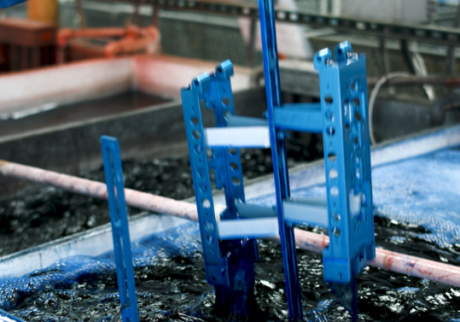
Sinking the cleaned metal in an electrolyte bath is the primary step in the anodizing process. On the surface of the metal, a layer of oxide forms as a result of electrolytic processes. The improved qualities of anodized products are a result of this oxide layer.
Cleaning the Parts
Making Sure Anodized Surfaces are Pristine
Proper washing needs to be done to get rid of any remaining anodizing material. At this point, the quality assurance process makes sure the anodized components fulfill the required requirements in terms of both appearance and function.
Adding Color
Using Color to Add Aesthetic Appeal
Color can be used to enhance anodized surfaces. Customization according to preferences is made possible by the method of dyeing. In order to accomplish the desired outcome, it is necessary to understand the dying process and the various color possibilities.
Sealing the Pores
Closing the Pores to Improve Durability
The oxide layer’s pores need to be sealed in order to maintain the benefits of anodizing. This usually occurs by boiling or heating the surface, which improves it further and makes it resistant to wear and corrosion.
FAQs:
1. How do You Anodize Aluminum?
The process of anodizing aluminum involves dipping it in an electrolyte bath, passing an electric current across it, then forming an oxide coating on its surface.
2. What are the Parameters and Properties of Anodizing?
The three main parameters are duration, electrolyte composition, and voltage. Enhanced durability, developed aesthetic possibilities, and improved corrosion resistance represent a few of the properties.
3. What’s the Difference Between Anodizing and Electroplating?
Anodizing strengthens the metal’s properties by electrolysis forming an oxide coating. The process of electroplating involves covering a surface in metal.
4. What does Anodizing do and Why Should You do It?
Anodizing enhances the properties of metal, giving it a higher resistance to corrosion, durability, and aesthetic appeal. It’s done in order to make components from metal look more appealing and more durable.
5. What Should I Know Before Anodizing Parts?
Being aware of the needs for thickness, desirable finish, and material compliance. Effective anodizing depends on proper surface preparation.
6. Why do You Anodize Parts?
Anodizing is a process used to increase the life and improve the aesthetics, resistance to corrosion, and durability of metal goods.
7. How does Anodizing Work?
The process of anodizing involves putting a metal in an electrolyte solution, starting an electrolytic reaction, and carefully controlling the oxidation process in order to form an oxide layer on the surface.
8. How do I Assess the Quality of Anodized Parts?
Inspect for uniform coating, consistent color, and absence of defects. Tests forhardness and corrosion resistance should be performed for an in-depth evaluation.
9. Is Anodizing Conductive?
The anodized layer is not sensitive by the environment, but if necessary, it can be coated or colored to increase conductivity.
10. What Materials Can I Anodize?
Anodizing is most usually carried out on aluminum, but it may also be performed on titanium and magnesium, although the outcomes will differ.
11. Is Anodizing Expensive?
Anodizing costs are dependent on factors such as dimensions, volume, as well as specific needs. For the benefits that it provides, it’s usually considered to be reasonable.
12. Will Anodization Wear Off?
Despite the fact that anodization is a permanent procedure, with time, especially in high-friction places, the surface may wear.
13. What Chemicals does Anodizing Use?
Anodizing commonly uses sulfuric acid or chromic acid electrolytes, depending on the Depending upon the type of anodizing, sulfuric acid or chromic acid electrolytes are frequently utilized in anodizing.
14. What Colors Can You Anodize Aluminum?
A wide range of color options are available for anodized metal, such as black, red, blue, and gold, which allows for significant customization.
15. Can You Anodize Aluminum Twice?
The solution is that aluminum can go through an additional anodizing process to get a new color or improve certain characteristics.
1 thought on “The Comprehensive Guide of Anodizing”