
Introduction
In the intricate world of manufacturing, the bending process is a fundamental technique that has undergone a remarkable evolution. In this article, we’ll explore the nuances of the bending process, with a specific focus on CNC tube bending—a technological marvel shaping the landscape of modern fabrication.
Understanding Bending Process
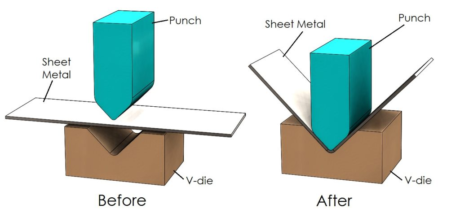
The bending process, at its core, involves deforming a material to change its shape. From ancient blacksmiths shaping metal manually to today’s advanced methods, bending has always been a pivotal part of manufacturing.
Tube Bending Process
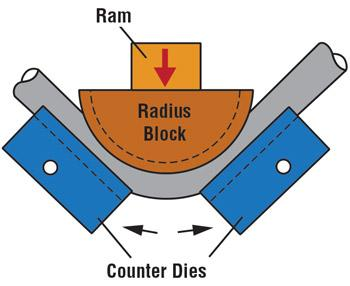
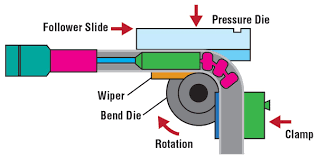
When it comes to bending tubes, the process becomes more specialized. Tube bending finds applications in industries ranging from automotive to construction, providing versatility in creating complex shapes.
Materials Used in Tube Bending Process
The materials used in tube bending play a crucial role in the success of the process. Common materials include metals like steel and aluminum, each presenting unique challenges and opportunities in the bending process.
CNC Tube Bending
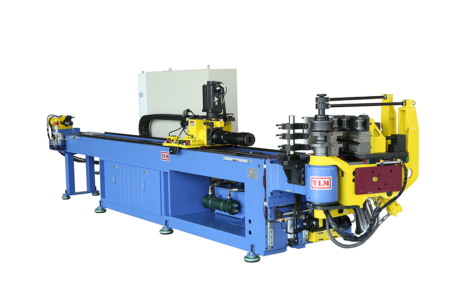
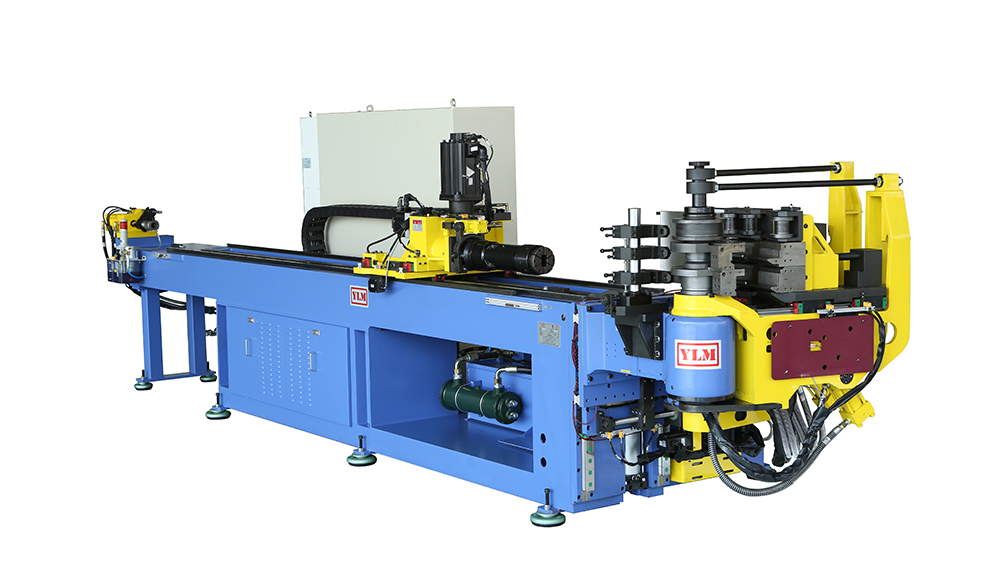
With the advent of Computer Numerical Control (CNC) technology, tube bending has reached new heights. CNC tube bending combines precision with efficiency, allowing for intricate designs and repeatability in production.
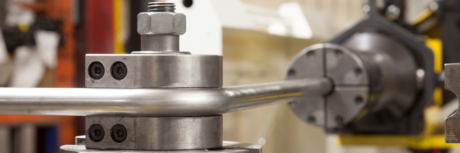
At its core, CNC Tube Bending utilizes Computer Numerical Control technology to transform tubes with unparalleled precision. It signifies a departure from traditional, manual methods, ushering in an era where every bend is guided by computer algorithms, ensuring consistency and accuracy
Purpose of CNC Tube Bending
The primary purpose of CNC tube bending is to achieve levels of precision and efficiency that were once hard to imagine. With computer-guided accuracy, CNC tube bending ensures that each bend is consistent, meeting the highest industry standards.
Materials Used in CNC Tube Bending
Versatility is a key attribute of CNC Tube Bending, extending to the variety of materials it can handle. From metals like steel and aluminum to various alloys, CNC Tube Bending adapts, showcasing its flexibility across different manufacturing requirements.
Usage of CNC Tube Bending
Industries such as aerospace, automotive, and furniture benefit significantly from CNC tube bending. The process is versatile, allowing for the creation of components with intricate shapes and complex geometries.
Advantages of CNC Tube Bending
The advantages of CNC tube bending are manifold. Precision, speed, and repeatability are the hallmarks of this technology, leading to cost-effectiveness and reduced material waste.
Difference Between CNC Tube Bending and Normal Bending
While traditional bending methods serve their purpose, CNC tube bending takes the process to a whole new level. The key differences lie in precision, efficiency, and the ability to handle complex designs with ease.
Enhancing Precision With CNC Technology
In the ever-evolving landscape of CNC tube bending, modern trends focus on enhancing precision further. Technologies such as 3D modeling and simulation contribute to achieving even higher levels of accuracy.
The Human Touch in Tube Bending
Despite the advanced technology, the human touch remains crucial in CNC tube bending. Skilled operators and technicians bring craftsmanship to the process, ensuring that every bend meets the desired specifications.
Challenges and Solutions in CNC Tube Bending
As with any technology, CNC tube bending comes with its challenges. Addressing issues like tool wear and program optimization is an ongoing process, driven by continuous research and development.
Choosing the Right CNC Tube Bending Service
Selecting a CNC Tube Bending service provider involves considerations beyond technology. Experience, expertise, and a commitment to quality are crucial factors. Choosing the right service ensures that precision bending needs are met with the highest standards, contributing to the success of manufacturing projects.
The Future of CNC Tube Bending
As technology evolves, so does CNC Tube Bending. Emerging trends include increased integration with Artificial Intelligence, enhanced 3D modeling, and simulation capabilities. The future promises even higher levels of precision and efficiency in the bending process, pushing the boundaries of what is achievable.
Conclusion
In conclusion, CNC tube bending is not just a manufacturing process, it’s a paradigm shift. The precision, efficiency, and versatility it brings to tube bending have transformed the way we approach fabrication. As industries demand more intricate designs and higher standards, CNC tube bending stands as a testament to human innovation.
FAQs
1. Can CNC Tube be Bending Handle Various Materials?
Yes, CNC tube bending can handle a variety of materials, including metals like steel and aluminum.
2. What Industries Benefit the Most From CNC Tube Bending?
Industries such as aerospace, automotive, and furniture benefit significantly from the precision of CNC tube bending.
3. How Does CNC Tube Bending Reduce Material Waste?
CNC tube bending’s precision ensures that each bend is consistent, reducing the likelihood of errors and material waste.
4. Is CNC Tube Bending Only Suitable for Complex Designs?
While CNC tube bending excels at complex designs, it is versatile enough to handle a wide range of bending requirements.
5. What Advancements Can We Expect in the Future of CNC Tube Bending?
The future of CNC tube bending involves continuous advancements in 3D modeling, simulation, and overall process optimization.