

Ever wondered what gives brass its captivating sheen and versatile strength? Welcome to the world where the luster of brass isn’t just about its golden hue; it’s about a legacy of craftsmanship and innovation. You’re about to embark on a journey that transcends the mere understanding of brass – think of it as unearthing a treasure trove of knowledge.
We’ve crafted this guide with precision, ensuring every curious mind finds its answer. Get ready to delve into the fascinating world of brass, from its rich history to its modern applications:
Whether you’re a seasoned brass aficionado or a newcomer to the world of alloys, this guide promises insights that will not only inform but also inspire. Let’s turn the page on your brass adventure.
What is Brass
Brass isn’t just a metal; it’s a story melded in history and science, a fusion that has stood the test of time. At its core, brass is an alloy primarily composed of copper and zinc. The proportions of these elements can vary, creating a range of brasses with differing properties. This versatility is what makes brass so unique and sought after in various industries.
The magic of brass lies in its ability to be both strong and malleable. This balance is achieved through its unique composition, which can be tweaked to suit specific needs. For example, increasing the zinc content enhances strength and impact resistance, while a higher copper content boosts malleability and resistance to corrosion.
Now, you might be wondering, why brass? Why not just use copper or zinc alone? The answer is synergy. When copper and zinc are combined, they create a material that is greater than the sum of its parts. This synergy results in a metal that is not only aesthetically pleasing with its distinctive golden hue but also functionally superior in many respects.
A Brief History of Brass
Journeying through the annals of history, brass stands out as a testament to human ingenuity in metallurgy. Its story begins over 2,500 years ago, with evidence of early brass artifacts dating back to the 5th century BC. These ancient beginnings, primarily in the Mediterranean region, mark the inception of brass as a significant player in human civilization.
Initially, the production of brass was somewhat accidental. Ancient metalworkers handling copper found that certain ores altered the metal’s properties, unknowingly adding zinc-rich minerals. This serendipitous discovery led to the first brass, an alloy superior in hardness and color compared to its parent metals.
Fast forward to the Roman Empire, and brass production reached new heights. The Romans, with their advanced metalworking techniques, began producing brass intentionally. They recognized its value, using it extensively for coins, decorative items, and even in naval construction for its corrosion resistance.
The Renaissance period witnessed a resurgence in brass usage, with an emphasis on artistic expression. Brass became a favorite medium for sculptors and craftsmen, who exploited its malleability and sheen to create intricate artworks and everyday objects.
In the Industrial Revolution, brass found new roles. Its ability to resist rust and its low friction made it ideal for machinery, ammunition, and a burgeoning range of industrial applications. This era marked a significant shift from artistic to functional uses, reflecting the changing times.
Today, brass continues to evolve, finding new applications in modern technology while still retaining its historical charm.
Composition and Properties of Brass
Brass is more than just a shiny metal; it’s a fascinating alloy with properties that can be tailored to fit an array of applications. At its heart, brass is a blend of copper and zinc, but its composition is far from simple. The ratio of these two elements can significantly alter the alloy’s characteristics, making it an incredibly versatile material.
The Basic Blend: Copper and Zinc
- Copper (Cu): This element is the primary constituent of brass. Copper lends brass its ductility and corrosion resistance. Its warm, reddish-gold color is also a key aesthetic feature of the alloy.
- Zinc (Zn): The second key component, zinc, contributes to brass’s strength and hardness. When added to copper, it also lowers the melting point, making brass easier to cast.
Tailoring the Traits
The beauty of brass lies in how its properties change with varying copper-zinc ratios. For instance, a higher percentage of copper results in a softer, more malleable brass, ideal for decorative purposes. Conversely, increasing the zinc content yields a harder, more wear-resistant brass, suitable for heavy-duty applications.
Alloying for Excellence
Beyond copper and zinc, other elements are often added to create specific types of brasses, each with unique qualities:
- Lead: Improves machinability.
- Tin: Enhances corrosion resistance, especially in marine environments.
- Aluminum: Increases strength and corrosion resistance.
- Nickel: Offers a silver-like appearance and strengthens the alloy.
- Manganese: Boosts strength and resistance to corrosion.
The Material Properties
Brass is renowned for several key properties:
- Malleability and Ductility: Brass can be easily shaped and stretched, making it perfect for intricate designs.
- Corrosion Resistance: Particularly resistant to water corrosion, making it ideal for marine and plumbing applications.
- Conductivity: While not as conductive as pure copper, brass still effectively conducts heat and electricity.
- Antimicrobial Properties: Copper’s presence gives brass the ability to inhibit bacterial growth.
Brass Features
Brass isn’t just a metal; it’s an alloy with a personality. Its features extend beyond its golden appearance, offering a blend of characteristics that make it a favorite across various industries. Let’s dive into the key features of brass that set it apart:
Strength and Durability
Brass strikes a unique balance between strength and workability. This durability makes it ideal for products that need to withstand stress without breaking, such as gears, locks, and valves.
Malleability and Formability
One of the most striking features of brass is its malleability. It can be easily formed into complex shapes, a trait highly valued in decorative arts and intricate component manufacturing.
Corrosion Resistance
Brass boasts excellent resistance to corrosion, especially from water and saltwater. This property is why it’s commonly used in marine hardware, plumbing, and outdoor applications.
Conductivity
While not as conductive as copper, brass still conducts heat and electricity well, making it suitable for electrical connectors and heat exchangers.
Aesthetic Appeal
With its bright, gold-like appearance, brass is a popular choice for decorative items. Its sheen adds a touch of elegance to musical instruments, architectural details, and jewelry.
Antimicrobial Properties
An often-overlooked feature of brass is its natural antimicrobial properties. Surfaces made of brass can inhibit the growth and spread of bacteria, making it a preferred material in healthcare and public spaces.
Versatility
The varying compositions of brass allow for a range of hardness, ductility, and colors. This versatility means brass can be tailored to meet specific needs, from soft, malleable alloys for crafting to hard, durable alloys for industrial use.
Recyclability
In today’s environmentally conscious world, the recyclability of brass is a significant feature. Brass can be recycled without losing its properties, contributing to sustainable practices in metal use.
How is Brass Made?
The creation of brass is both an art and a science, blending metallurgical precision with age-old techniques. The process transforms raw copper and zinc into the versatile alloy we know as brass. Here’s a step-by-step breakdown of how brass is made:
Step 1: Selecting Raw Materials
The journey begins with choosing high-quality copper and zinc. The purity of these metals is crucial as it affects the final properties of the brass.
Step 2: Melting
The copper is first melted in a large furnace. The melting point of copper is around 1085°C (1985°F), and achieving this temperature is essential for ensuring a smooth blend with zinc.
Step 3: Adding Zinc
Once the copper is molten, zinc is added to the mix. The proportion of zinc varies based on the desired type of brass. This stage is critical, as the zinc’s boiling point is lower than copper’s melting point, requiring careful temperature control.
Step 4: Alloying Elements
This is where additional elements like lead, tin, or nickel may be added, depending on the specific brass type being produced. These elements modify the brass’s properties, such as enhancing machinability or corrosion resistance.
Step 5: Pouring and Casting
The molten brass is then poured into molds or continuously cast to form rods, sheets, or other shapes. The cooling process is controlled to ensure the brass solidifies with the desired microstructure.
Step 6: Annealing
The cast brass is often annealed, a heat treatment process that softens the metal. Annealing enhances ductility, making the brass easier to work in subsequent manufacturing steps.
Step 7: Finishing
Finally, the brass undergoes various finishing processes. These can include rolling, drawing, or extruding to achieve the final shape and size. Surface treatments like polishing, lacquering, or coating may also be applied to enhance appearance and resistance to corrosion.
Understanding the brass manufacturing process reveals the care and precision that goes into creating this versatile alloy. Each step, from selecting raw materials to the final finishing, is tailored to produce brass with specific characteristics suited for its intended use.
The result? A metal that’s not just an amalgamation of copper and zinc, but a symphony of elements, each playing a crucial role in giving brass its unique properties. Whether it’s the lustrous finish on a musical instrument or the robustness in a machine component, the journey from raw metals to finished brass is a testament to human ingenuity and the wonders of metallurgy.
Types of Brass
Brass is not a one-size-fits-all metal. It comes in a variety of types, each tailored to serve specific purposes. Understanding these types helps in choosing the right brass for the right application. Here’s a look at the primary types of brass and their defining characteristics:
Brass Colour
- Golden Brass: The classic brass look, rich in copper, known for its gold-like appearance.
- Red Brass: Higher copper content, giving a reddish hue, often used for a more copper-like appearance.
Alpha Brasses
- Composition: Up to 35% zinc.
- Characteristics: Excellent ductility, ideal for cold working.
- Uses: Decorative items, pins, rivets, and various components in engineering.
Alpha-beta Brasses (Duplex Brasses)
- Composition: 35-45% zinc.
- Characteristics: Good strength and ductility, suitable for hot working.
- Uses: Complex forgings, pump parts, and marine hardware.
Beta Brasses
- Composition: More than 45% zinc.
- Characteristics: High strength, but less ductility, mainly used in hot working conditions.
- Uses: Highly stressed parts, gears, and valve stems.
Gamma Brasses
- Composition: Rich in zinc, but used less due to brittleness.
- Characteristics: Brittle, hard, and less common.
- Uses: Limited applications due to brittleness.
Brass Alloys
- Lead Brass: Contains lead for improved machinability.
- Aluminium Brass: Aluminium increases strength and corrosion resistance.
- Manganese Brass: Improved strength and corrosion resistance.
- Nickel Brass (Nickel Silver): Silver-like appearance, not containing silver.
- Arsenic Brass: Improved corrosion resistance, especially in seawater.
Each type of brass serves a unique role, from the malleable alpha brasses perfect for intricate artistic works to the robust beta brasses suited for heavy-duty industrial components. This diversity is what makes brass an invaluable material across various industries.
Typical Grades of Brass
Brass isn’t just classified by type; it’s also differentiated by grades. Each grade of brass has specific compositions and properties, making it suitable for various applications. Let’s explore some of the typical brass grades and their unique characteristics:
Alloy 260 (Cartridge Brass)
- Composition: About 70% copper and 30% zinc.
- Properties: Good corrosion resistance, excellent formability.
- Uses: Primarily used for ammunition casings, decorative purposes, and musical instruments.
Alloy 280 (Muntz Metal)
- Composition: Approximately 60% copper and 40% zinc.
- Properties: High strength and rigidity.
- Uses: Commonly used in architectural applications, such as in decorative metalwork.
Alloy 360 (Free Machining Brass)
- Composition: Around 61.5% copper, with lead added for machinability.
- Properties: Excellent machinability, moderate strength.
- Uses: Widely used for precision-turned parts, like fittings and fasteners.
Alloy 385 (Architectural Bronze)
- Composition: Roughly 57% copper, with additions of zinc and lead.
- Properties: Good corrosion resistance and strength, easily machinable.
- Uses: Ideal for architectural elements, like door frames and railings.
- Composition: About 60% copper, 39.2% zinc, and a small amount of tin.
- Properties: Exceptional corrosion resistance in seawater, high strength.
- Uses: Extensively used in marine applications, such as in naval ship components.
Each of these grades offers a unique blend of properties, tailored to meet specific demands in various sectors. Whether it’s the shimmering allure of cartridge brass in musical instruments or the robustness of naval brass in marine environments, these grades illustrate the adaptability and functionality of brass.
Surface Treatments and Finishing
The versatility of brass extends beyond its composition and into its final presentation. Surface treatments and finishing processes not only enhance the appearance of brass but also improve its durability and resistance to environmental factors. Here’s a look at some common surface treatments and finishing techniques used for brass:
Polishing
- Process: Buffing the brass to achieve a high-gloss finish.
- Purpose: Enhances the natural golden sheen, making it ideal for decorative items.
Lacquering
- Process: Applying a clear or tinted lacquer coating.
- Purpose: Protects against tarnishing and fingerprints, commonly used for musical instruments and decorative pieces.
Plating
- Process: Covering brass with a thin layer of another metal, such as nickel or chrome.
- Purpose: Adds a different aesthetic, like a silver finish, and increases surface hardness.
Patination
- Process: Chemically treating the surface to develop a patina.
- Purpose: Provides an aged or antique look, popular in artistic and architectural applications.
Brushing
- Process: Creating a textured, matte finish using abrasive materials.
- Purpose: Offers a contemporary look and masks fingerprints and minor scratches.
Anodizing
- Process: An electrochemical process that thickens the oxide layer on the surface.
- Purpose: Enhances corrosion resistance and can add colored tints.
Each of these treatments can transform the character of brass, from a mirror-like polish to a rugged, aged patina. The choice of finish depends on both the aesthetic appeal and the functional requirements of the brass item.
What are the Advantages and Disadvantages of Brass?
Understanding both the strengths and limitations of brass is crucial in choosing it for the right applications. Let’s break down the advantages and disadvantages of this versatile alloy.
Advantages of Brass
- High Corrosion Resistance: Brass resists corrosion, making it ideal for marine and plumbing applications.
- Low Coefficient of Friction: Its low friction makes it perfect for gears, bearings, and valves.
- Good Castability and Machinability: Brass is easy to cast and machine, allowing for precision in manufacturing.
- Attractive Appearance: Its golden hue offers an aesthetic appeal for decorative items.
- Antibacterial Properties: Brass can inhibit bacterial growth, enhancing hygiene in public spaces and healthcare environments.
- Recyclable: Brass is 100% recyclable, reducing environmental impact.
Disadvantages of Brass
- Heavy: Brass is denser and heavier than materials like plastic or aluminum.
- Prone to Tarnishing: Over time, brass can lose its luster and require polishing.
- Non-Hypoallergenic: Some people may have allergic reactions to the copper or zinc in brass.
- Hazardous Zinc Oxide Fumes: When heated or welded, brass can release zinc oxide fumes, which are harmful if inhaled.
- Non-sparking: While this is an advantage in explosive environments, it limits use in certain electrical applications.
- High Cost: Compared to other metals like steel or aluminum, brass can be more expensive.
Despite these disadvantages, brass’s unique combination of beauty and functionality continues to make it a popular choice across a wide range of industries. From the graceful notes of a brass trumpet to the sturdy reliability of marine fittings, brass proves its worth time and again.
Applications of Brass
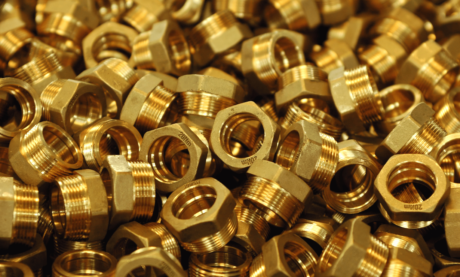
Brass isn’t just a metal; it’s a versatile player in a wide array of industries. Its unique properties make it the go-to choice for many applications. Let’s explore where and how brass makes its mark:
Plumbing Fixtures and Fittings
- Why Brass: Corrosion resistance and durability.
- Examples: Water pipes, faucets, and fittings.
Architecture
- Why Brass: Aesthetic appeal and resistance to weathering.
- Examples: Door handles, window frames, and decorative elements.
Electronics and Telecommunications
- Why Brass: Good conductivity and corrosion resistance.
- Examples: Connectors, sockets, and switches.
Transportation Equipment
- Why Brass: Durability and resistance to corrosion.
- Examples: Radiator cores, fittings, and valves in automotive and railway systems.
Ammunition and Cartridges
- Why Brass: Non-sparking nature and ease of forming.
- Examples: Bullet casings and gun components.
Musical Instruments
- Why Brass: Acoustic properties and malleability.
- Examples: Trumpets, trombones, and saxophones.
Bearings and Bushings
- Why Brass: Low friction and resistance to wear.
- Examples: Machinery bearings and bushings.
Decorative Objects
- Why Brass: Visual appeal and ease of working.
- Examples: Jewelry, sculptures, and ornamental items.
Marine Equipment
- Why Brass: Saltwater corrosion resistance.
- Examples: Ship fittings, navigational instruments, and marine hardware.
Brass’s versatility extends from the functional to the ornamental, proving its value in diverse settings. Whether it’s ensuring the smooth operation of machinery or adding a touch of elegance to interiors, brass continues to be an indispensable material.
What is the Maximum Operating Temperature of Brass?
When it comes to choosing materials for specific applications, understanding their operating temperature limits is crucial. Brass, known for its versatility, also has its boundaries, especially in terms of temperature. The maximum operating temperature of brass is a key factor that dictates where and how it can be used.
Brass typically maintains its structural integrity and properties up to a temperature of around 200°C (392°F). Beyond this point, its properties begin to change:
- Strength and Hardness Reduction: As the temperature increases, brass becomes softer and its strength diminishes. This makes it unsuitable for high-temperature applications where structural integrity is critical.
- Color Changes: Extended exposure to high temperatures can lead to discoloration of brass, affecting its aesthetic appeal.
- Machinability and Formability Alterations: The ease of machining and forming brass can be affected at higher temperatures, though this can sometimes be an advantage in specific manufacturing processes.
It’s important to note that different brass alloys have varying temperature tolerances. For example, some leaded brass alloys may start losing their mechanical properties at lower temperatures compared to lead-free varieties.
In applications where brass is exposed to high temperatures, it’s essential to consider these limitations. Ensuring that the brass alloy chosen aligns with the environmental conditions it will face is key to maintaining its functionality and longevity.
Is Brass Safe to Use?
Safety is a paramount consideration in any material application, and brass is no exception. Let’s delve into the safety aspects of brass to understand its implications in various uses.
Brass is generally considered safe for most applications. However, there are a few considerations to keep in mind:
- Lead Content: Some brass alloys contain lead to improve machinability. While the lead content in these alloys is usually low, it can pose health risks, particularly in items that come into contact with drinking water or food. Regulations, like the U.S. Safe Drinking Water Act, have prompted the use of lead-free brass in plumbing fixtures.
- Zinc Fumes: During welding or melting, brass can release zinc oxide fumes. Inhalation of these fumes can lead to metal fume fever, a temporary but unpleasant condition. Adequate ventilation and safety equipment are essential when welding or casting brass.
- Antibacterial Properties: The copper content in brass gives it natural antibacterial properties, making it a hygienic choice for surfaces in healthcare and public spaces.
- Allergies: Some people may have allergic reactions to the metals in brass, particularly nickel, which is used in some brass alloys.
- Environmental Impact: Brass is a non-ferrous metal and does not produce sparks when struck, making it a safe choice in explosive or flammable environments.
In terms of environmental safety, brass is a sustainable choice. Its recyclability ensures that it can be reused with minimal waste and impact on the environment.
Recycling Brass
Recycling brass plays a crucial role in environmental conservation and resource efficiency. Brass recycling is not only feasible but also cost-effective, given the metal’s inherent value. Let’s delve into the process and benefits of recycling brass:
The Process of Recycling Brass
- Collection: Brass scrap is collected from various sources, including manufacturing offcuts, end-of-life products, and construction debris.
- Sorting: The collected brass is sorted from other materials. Often, this involves separating different alloys and removing any non-metal contaminants.
- Cleaning: The sorted brass is cleaned to remove any impurities, such as oil, dirt, or corrosion.
- Shredding and Melting: The clean brass scrap is then shredded into smaller pieces and melted in a furnace at temperatures around 900°C to 940°C (1652°F to 1724°F).
- Refining: The molten brass is refined to remove any remaining impurities and to adjust its composition, ensuring the quality of the recycled brass matches that of virgin brass.
- Casting: The refined, molten brass is then cast into ingots, billets, or directly into new products.
Benefits of Recycling Brass
- Conservation of Resources: Recycling brass reduces the need for new copper and zinc, conserving these valuable natural resources.
- Energy Efficiency: The energy required to recycle brass is significantly less than that needed to produce new brass from virgin ore.
- Economic Value: Brass scrap has a high economic value, making it a financially viable recycling option.
- Environmental Impact: Recycling brass minimizes the environmental impact associated with mining and processing raw materials.
- Reduction in Waste: By recycling brass, the amount of metal waste going to landfills is significantly reduced.
Recycling brass is a win-win for both the economy and the environment. It exemplifies how sustainable practices can be integrated into the lifecycle of a material, making brass not only versatile but also an environmentally responsible choice.
Comparison between Copper, Brass, and Bronze
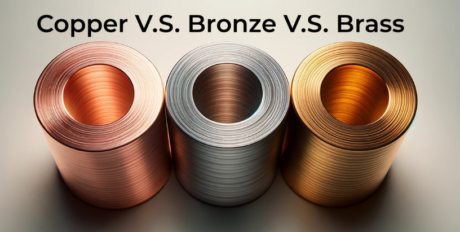
Understanding the nuances between copper, brass, and bronze is key to selecting the right material for your needs. Each of these copper-based alloys has distinct properties and applications. Let’s compare them to understand their differences:
Copper
- Properties: Pure copper is highly ductile, malleable, and an excellent conductor of electricity and heat. It has a distinctive reddish-orange color.
- Applications: Electrical wiring, electronics, roofing, plumbing, and in its alloyed form, for coins.
Brass (Copper-Zinc Alloy)
- Properties: Brass is stronger and harder than copper, less malleable but still formable. It has good corrosion resistance and a golden-yellow color.
- Applications: Musical instruments, door handles, plumbing fixtures, and decorative items.
Bronze (Copper-Tin Alloy)
- Properties: Bronze is typically harder than both copper and brass. It has excellent wear and corrosion resistance, and a brownish color with a hint of red.
- Applications: Statues, bearings, gears, and historical weaponry.
Key Differences
- Strength and Hardness: Brass and bronze are generally harder than copper.
- Conductivity: Copper is the best conductor among the three.
- Color: Copper is reddish-orange, brass is yellow, and bronze has a brownish tone.
- Corrosion Resistance: Bronze offers the best corrosion resistance, especially against seawater.
- Machinability: Brass, especially with lead additives, is easier to machine than copper and bronze.
Understanding these differences helps in making informed choices about which alloy to use for specific applications, balancing aesthetic desires with functional needs.
Summary
Brass, a timeless and versatile alloy, is a fusion of copper and zinc, enriched occasionally with elements like lead, tin, or nickel for specific properties. Here’s a recap of what we’ve explored in this comprehensive guide:
- What is Brass: An alloy primarily of copper and zinc, known for its strength, malleability, and distinctive golden color.
- History: With roots in ancient civilizations, brass has evolved through the ages, finding roles in art, architecture, industry, and technology.
- Composition and Properties: Its varied compositions result in a range of properties, from corrosion resistance to antimicrobial qualities.
- Types of Brass: From alpha to gamma brasses, each type serves distinct purposes, influenced by the ratio of copper to zinc and other alloying elements.
- Grades of Brass: Different grades, like Alloy 260 or Naval Brass, are tailored for specific applications, from decorative to industrial.
- Manufacturing Process: Brass is made through careful selection of raw materials, melting, alloying, and finishing processes.
- Surface Treatments: Options like polishing, lacquering, and plating enhance brass’s appearance and durability.
- Advantages and Disadvantages: While brass is versatile and aesthetically appealing, considerations include cost and the potential for zinc oxide fume emission during processing.
- Applications: Brass is widely used in areas ranging from plumbing and architecture to musical instruments and electronics.
- Safety and Recycling: Generally safe, with considerations for lead content and zinc fumes, brass is also environmentally friendly due to its recyclability.
- Comparison with Copper and Bronze: Each metal has its unique strengths, from conductivity (copper) to hardness and corrosion resistance (bronze and brass).
Brass is not just a metal; it’s a testament to human ingenuity, shaping our world in both visible and invisible ways. From the delicate strings of a brass instrument to the sturdy fittings in plumbing, brass continues to be an integral part of our daily lives.
FAQs
1. Is Brass Safe to Use?
Yes, brass is generally safe for most applications. However, there are specific considerations:
- Lead Content: Some brass alloys contain lead, which may pose health risks, especially in items in contact with drinking water or food. Regulations often require lead-free brass in such applications.
- Zinc Fumes: During processes like welding, brass can release zinc oxide fumes, which can be harmful if inhaled. Proper ventilation and safety equipment are necessary in these scenarios.
- Antibacterial Properties: The copper in brass gives it natural antibacterial properties, beneficial in healthcare and public spaces.
- Allergies: Some people may have allergies to metals used in brass, such as nickel in some alloys.
2. Can I Use Brass for My Application?
Brass is highly versatile and can be used in various applications, but its suitability depends on specific needs:
- Corrosion Resistance: Ideal for marine and plumbing applications due to excellent corrosion resistance.
- Aesthetics: Preferred for decorative items and musical instruments because of its attractive appearance.
- Mechanical Properties: Suitable for applications requiring low friction, such as locks, gears, and bearings. Consider the specific properties of different brass alloys and grades for your application.
3. Which is Cheaper, Brass or Bronze?
The cost comparison between brass and bronze varies depending on market factors such as availability and demand for raw materials (copper, zinc for brass; copper, tin for bronze). Generally:
- Brass: Typically less expensive than bronze. It’s widely used and easier to machine, which can reduce manufacturing costs.
- Bronze: Often more expensive due to the cost of tin, which is pricier than zinc. Its applications in specialized areas can also influence its price.
For precise cost comparisons and suitability for specific applications, it’s advisable to consult with suppliers or industry experts.
1 thought on “The Comprehensive Guide for Brass”