

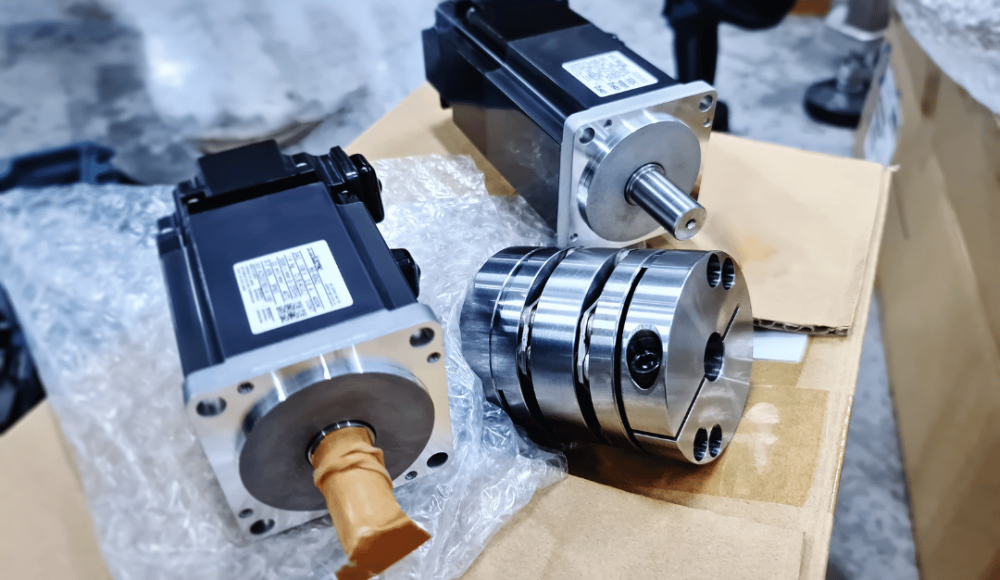
Step Turning isn’t only a process; it’s an art form in the realm of precision machining. It’s where skill meets innovation, shaping materials into precise, functional forms. Many see it as an another turning method, but it’s more than that. It’s a dance of accuracy and efficiency, a critical component in advanced manufacturing. This article is your compass in the intricate world of Step Turning.
In this guide, we’ll cover:
- Exploring the Step Turning Process
- Necessary Tools for the Step Turning Process
- Materials Suitable for Step Turning
- Step Turning vs Other Types of Turning
- Precautions in Step Turning Operations
Step Turning is a journey through precision and skill. It’s about understanding the nuances that set it apart and mastering its unique challenges. Let’s unravel the layers of Step Turning together, discovering its significance at every turn.
Exploring the Step Turning Process: How it Works and Its Purpose
Step turning stands as a cornerstone in the world of precision machining. It’s a process where materials are shaped into precise, stepped profiles – a technique essential in creating parts with varying diameters. This method is more than shaping materials; it’s about achieving accuracy and consistency in complex components.
At its core, step turning involves reducing the diameter of a workpiece in successive steps or stages. It’s a subtractive machining process, where the material is methodically removed to create ‘steps’ of different diameters along the length of the cylindrical workpiece.
The Step-by-Step Process
- Setting Up: The journey begins with securing the workpiece in a lathe. The material is clamped tightly, ensuring stability and precision during the turning process.
- Selecting the Right Tool: Choosing the appropriate cutting tool is crucial. The tool must be suitable for the material being machined and capable of achieving the desired finish and dimensions.
- Initial Cutting: The lathe spins the workpiece at a predetermined speed. The cutting tool is then carefully brought into contact with the material, removing excess material to form the first ‘step’.
- Progressive Cutting: After the initial cut, the tool is methodically repositioned to create subsequent steps. Each step is cut to precise dimensions, ensuring uniformity and accuracy.
- Finishing Touches: Once all steps are cut, finishing processes like sanding or polishing are applied to achieve the desired surface finish.
The Purpose of Step Turning
The purpose of step turning extends beyond mere shaping. It’s about precision and functionality. This process is vital in creating parts that fit into larger assemblies, where each step serves a specific function. From aerospace components to intricate machinery parts, step turning is pivotal in crafting items that demand the highest levels of accuracy and reliability.
Necessary Tools for the Step Turning Process
In the realm of step turning, precision is king, and the right tools are your loyal subjects.
Vernier Caliper
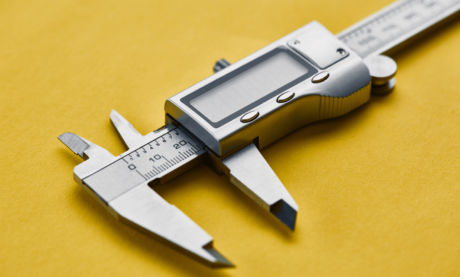
The Vernier Caliper is the cornerstone of accuracy in step turning. This precision instrument measures the dimensions of the workpiece with remarkable exactness. Why is it crucial? In step turning, every micron counts. It allows you to measure the diameter and length of the workpiece before, during, and after the turning process. This ensures that each step is cut to the precise specifications required.
But how do you use it in step turning? It’s simple yet requires attention to detail. Gently place the caliper on the workpiece, aligning its jaws with the area you need to measure. The scale on the caliper will give you a direct reading of the size. Remember, accuracy in measurement is the first step towards perfection in step turning.
Parting Tool
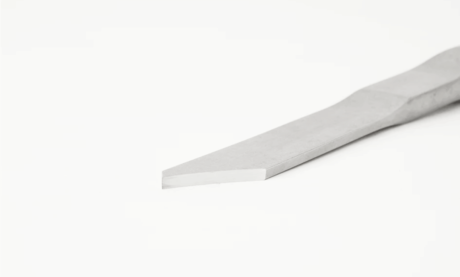
Next in line is the Parting Tool, a critical player in the step turning process. This tool does exactly what its name suggests – it parts the workpiece from the stock material. The parting tool is thin and sharp, designed to cut a narrow groove into the material until it’s severed.
In step turning, the parting tool is used not only to separate the finished part but also to create precise grooves or steps on the workpiece. The technique involves gently advancing the tool into the material at the desired location and depth. The control and steadiness of your hand are paramount here. Each type of parting tool, be it straight, tapered, or profiled, offers a different kind of precision and finish.
Turning Tool
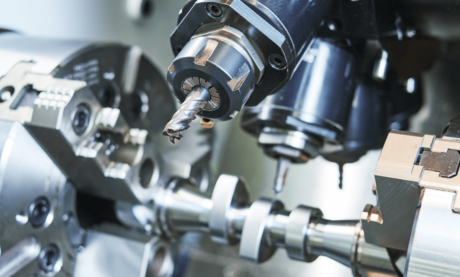
Finally, we have the Turning Tool, the artist of the step turning process. This tool shapes the workpiece into the desired form. In step turning, the turning tool is used to remove material in layers, creating steps or tiers on the workpiece. The variety of turning tools available – from roughing to finishing tools – allows for a range of cuts and finishes.
Using the turning tool effectively in step turning involves understanding its geometry – the rake angle, the clearance angle, and the tip radius. Each aspect of the tool’s design impacts how it cuts and the finish it leaves. The method of using the turning tool varies based on the material and the desired outcome. For instance, a higher speed and a finer feed are used for a smoother finish.
These tools – the Vernier Caliper, the Parting Tool, and the Turning Tool – form the triumvirate of essential equipment in step turning. Each plays a distinct and crucial role, and mastering their use is fundamental to achieving precision and excellence in the step turning process.
Materials Suitable for Step Turning
Selecting the right material is crucial in step turning, as it directly impacts the machining process, tool wear, and the quality of the final product.
Aluminum
Aluminum stands out as a favored material in step turning due to its unique combination of properties. It’s lightweight yet strong, and its malleability makes it ideal for detailed work. In step turning, aluminum’s softness allows for faster machining speeds, reducing production time. Its thermal conductivity is another plus, dissipating heat quickly and minimizing thermal expansion during the turning process.
But why choose aluminum for your project? Its corrosion resistance is significant, especially for parts exposed to the elements. Also, aluminum’s non-magnetic nature makes it suitable for electronic and electrical applications.
When working with aluminum in step turning, consider using sharp cutting tools and optimal lubrication to prevent material buildup on the tool’s edge, ensuring a smooth finish.
Steel
Steel, known for its strength and durability, is a go-to material for step turning. Its high tensile strength makes it ideal for components that must withstand significant stress. In step turning, steel’s hardness requires precise tooling choices. Carbide-tipped tools are often preferred for their ability to maintain sharpness and withstand the heat generated during the cutting process.
The suitability of steel in step turning also lies in its versatility. From carbon steel to stainless steel, each variant offers unique properties. For instance, stainless steel is chosen for its corrosion resistance, making it perfect for medical or food-grade applications.
Remember, the choice of steel impacts the turning parameters – harder steels may require slower speeds but offer greater longevity.
Brass
Brass, an alloy of copper and zinc, is celebrated for its machinability and aesthetic appeal in step turning. Its softness allows for easy cutting, making it a popular choice for intricate designs and detailed work. Brass’s low melting point also means less wear on cutting tools, extending their life.
Why opt for brass? Its corrosion resistance and electrical conductivity make it ideal for electrical components and decorative items. In step turning, brass’s consistency allows for uniform cuts, ensuring dimensional accuracy. However, be mindful of the feed rate and cutting speed to avoid work-hardening the material, which can complicate the machining process.
Plastics
Plastics bring a different dimension to step turning, offering versatility and ease of machining. Materials like Acetal, Nylon, and Polycarbonate are commonly used due to their unique properties. Plastics are lightweight and can be machined at high speeds, making them cost-effective for high-volume production.
Each plastic type suits different applications. For instance, Nylon is known for its wear resistance, making it suitable for gears and bearings. Acetal is chosen for its low moisture absorption and high stiffness, ideal for precision parts. In step turning plastics, sharp tools and correct speeds are crucial to prevent melting or chipping. Also, consider the thermal expansion of plastics – they may require different tolerances compared to metals.
The choice of material in step turning – be it Aluminum, Steel, Brass, or Plastics – significantly influences the machining process, tool selection, and final application of the turned part. Understanding each material’s properties ensures not only a successful turning process but also the longevity and functionality of the finished product.
Step Turning vs Other Types of Turning
Step turning is a specialized process in the world of machining, distinguished by its ability to create precise steps or tiers on a workpiece. To fully appreciate its uniqueness, let’s compare it with other types of turning processes, focusing on their technical aspects and applications.
Step Turning vs Straight Turning
In the machining world, understanding the nuances between different turning processes is crucial for precision and efficiency. Step turning and straight turning, while similar in their basic function, diverge significantly in their applications and technicalities.
Straight turning is the process of reducing the diameter of a workpiece uniformly along its entire length. It’s the go-to method for creating simple cylindrical shapes. The primary focus here is on maintaining a consistent diameter, which requires a steady hand and precise control over the lathe.
The cutting tool moves parallel to the workpiece, shaving off material to achieve the desired diameter. This process is relatively straightforward and is often used for creating shafts, rods, and other cylindrical parts.
Step turning, in contrast, is more complex. It involves creating different diameters at specified intervals along the workpiece, forming ‘steps’. This requires not only a change in the tool’s position but also careful planning and measurement. Each step must be precisely machined to the correct diameter and depth, necessitating frequent adjustments and measurements.
The complexity increases with the number of steps and the precision required for each. Step turning is often used in parts that require multiple diameters, such as hydraulic pistons, machine components, and complex mechanical assemblies.
Step Turning vs Taper Turning
Taper turning and step turning are distinct processes, each with its specific applications and technical requirements. Taper turning is used to produce a conical shape on a workpiece, where the diameter changes gradually and uniformly along its length. This is achieved by angling the cutting tool or the workpiece itself, creating a taper.
The challenge here lies in maintaining a consistent angle throughout the turning process, which can be achieved through various methods like using a compound slide, taper attachment, or by setting the tailstock offset.
Step turning, on the other hand, is about creating abrupt changes in diameter at specific intervals along the workpiece. Unlike the gradual change in taper turning, step turning requires precise stops and starts at designated points. This demands a high level of precision in measurement and tool positioning. The process is often used in creating parts that need to fit together with other components, requiring exact diameters at different sections of the part.
Step Turning vs Profile Turning
Profile turning is another specialized turning process, where the objective is to shape a workpiece to a specific profile or contour. This can include complex shapes, curves, and non-linear geometries. Profile turning often requires advanced equipment like CNC machines, which can follow a pre-programmed path to achieve the desired profile. The complexity of the shapes requires detailed programming and often a series of different tools to achieve the final form.
Step turning, while it can be a part of a profile turning operation, specifically focuses on creating stepped diameters. It’s more about achieving precise diameters at different levels of the workpiece rather than creating complex shapes.
Step turning can be done on both CNC and manual lathes, depending on the complexity and precision required. It’s often used in applications where parts need to have specific diameters at different points, such as in telescopic assemblies or parts that interface with others at multiple points.
Step Turning vs Hard Turning
Hard turning is a process used to machine hard materials, typically those that have undergone heat treatment. This process is often used as an alternative to grinding, offering a more efficient and cost-effective method for achieving high precision and surface finishes on hard materials.
Hard turning requires specialized cutting tools, usually made of materials like cubic boron nitride or ceramics, which can withstand the high temperatures and stresses involved in cutting hard materials. Step turning, in comparison, is not defined by the hardness of the material but rather by the geometry it creates. While step turning can be performed on hard materials, the focus is on creating precise steps or tiers on the workpiece.
The choice of tooling and machining parameters in step turning will depend on the material’s hardness, but the primary objective remains the creation of accurate stepped features. This process is crucial in applications where parts must fit together precisely, requiring exact dimensions at different levels of the part.
Precautions in Step Turning Operations
Step turning operations, while essential in precision machining, come with their own set of challenges and risks. It’s crucial to adhere to strict safety protocols and operational guidelines to ensure both the quality of the workpiece and the safety of the operator.
- Understanding the Equipment: The first step in ensuring safety in step turning operations is a thorough understanding of the equipment. This includes not only the lathe itself but also the tools and accessories used in the process. Operators should be familiar with the specific capabilities and limitations of their machinery. For instance, knowing the maximum speed and feed rates for different materials can prevent tool breakage and workpiece damage. Regular maintenance checks are also vital to ensure that all parts of the lathe are functioning correctly and safely.
- Correct Tooling and Setup: The choice and setup of tools are critical in step turning. Using the wrong tool or an incorrectly set tool can lead to accidents and workpiece errors. Ensure that the tools are sharp and appropriate for the material and type of cut required. Dull tools can cause excessive heat and pressure, leading to tool failure or workpiece damage. Additionally, the tool should be securely fastened in the tool holder, and the workpiece should be properly clamped in the chuck or between centers. A loose setup can result in the workpiece or tool being ejected from the lathe, posing a serious safety hazard.
- Operator Safety: Operator safety is paramount in any machining operation. Personal protective equipment (PPE) such as safety glasses, ear protection, and appropriate clothing should always be worn. Loose clothing, jewelry, or long hair can get caught in the rotating machinery, so it’s crucial to secure these safely before operating the lathe. Operators should also be aware of their surroundings, keeping the area around the lathe clear of debris and ensuring good lighting.
While step turning is a complex and precise process, prioritizing safety and precautionary measures is essential. Understanding the equipment, using the correct tooling, and ensuring operator safety are key to a successful and safe step turning operation. By following these guidelines, risks can be minimized, leading to efficient and accident-free machining.
Step Turning: Mastering Precision in Every Turn
As we wrap up this journey through the intricate world of step turning, you’ve gained a wealth of knowledge that empowers you to approach this machining process with confidence. From understanding the nuances of different materials to mastering the essential tools, you’re now equipped to tackle step turning with precision and skill.
Key Takeaways:
- Step turning is a specialized process for creating precise steps on a workpiece.
- The right tools, like Vernier Calipers, Parting Tools, and Turning Tools, are crucial.
- Material choice significantly impacts the turning process and the final product.
- Safety and precision are paramount in step turning operations.
Step turning isn’t only a machining process; it’s a craft that blends technical skill with precision. As you move forward, remember that each turn and each step you take in this process is a step towards mastering this vital craft. Whether you’re a seasoned machinist or a curious learner, step turning offers a path to creating not just components, but possibilities.
maiores suscipit natus illo fugit et accusamus est commodi culpa et molestiae aperiam voluptates culpa ut eius quia qui et nam. consectetur sint enim est est labore sint excepturi nobis omnis minus voluptates aut aspernatur rem. voluptatem laudantium fuga atque porro aspernatur sunt sit sed corporis occaecati ut rerum laborum occaecati velit. omnis repellat et placeat et quos optio et harum suscipit ex quidem quam.
illum aut enim cum et in ullam incidunt et. commodi natus incidunt sapiente. nemo distinctio maxime est earum et libero praesentium eum libero ex quo et veniam autem dolorem explicabo.