


What is An Alloy?
The combination of two or more elements, at least one of which is a metal, is called an alloy. The ability of alloys to enhance the qualities of specific metals and produce materials with better strength, durability, and unique characteristics is what makes them so important. Alloys are essential in many industries because, in contrast to metals that are pure, they may be customized to satisfy a variety of purposes. This is why steel, an iron and carbon alloy, is frequently utilized for building purposes due to its durability and adaptability. With significant inventions like bronze during the Bronze Age, alloys have an extensive and distinguished past that proves their revolutionary impact on human civilization. Alloys, in short, are necessary for industrial production and technology because they enable a wide variety of materials with better qualities.
What is the History of Alloys?
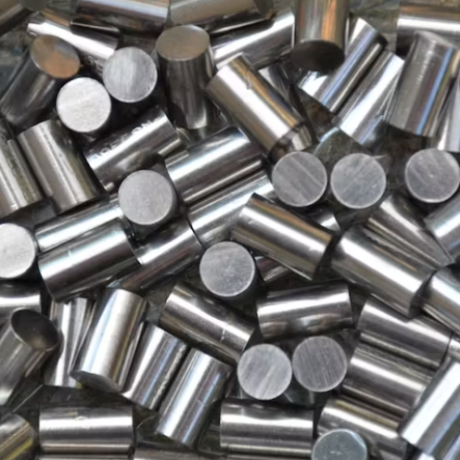
A remarkable journey spanning thousands of years, the history of alloys has left a tremendous impact on the evolution of human civilization. The use of alloys goes back to ancient times, when pioneer metalworkers discovered the ability to transform properties of combining various metals.
Approximately from 3300 to 1200 BCE, during the period known as the Bronze Age, alloy history experienced an important phase. This was the period that saw the discovery and widespread utilization of bronze, an alloy primarily made of copper and tin. The invention of bronze had an important effect on the development of tools, weapons, and society.
With the development of countries emerged a rise in knowledge and application of alloys. Steel, an iron-carbon alloy, developed into being during the Iron Age, transforming both industry and war. The ability to change an alloy’s composition allowed for a wide range of applications, with each alloy intended for a particular purpose.
More recently, the Industrial Revolution represents a major paradigm shift in the manufacturing of alloys. Alloys became crucial to the rapid pace of technological development in the 18th and 19th centuries due to improvements in metallurgy and production techniques. Particularly steel emerged as a key component of industrial growth, effecting machinery, transportation, and architecture.
What is Another Term for Alloy?
Alloy can also be referred to as “composite material.” Because alloys are formed by mixing many different elements, frequently metals, to create a material that possesses better qualities.
Composite material refers to a material that is created by combining or composing several materials to create an object that has properties that are not found in any of the individual elements.
How are Alloys Made?
(Understanding the Composition and Formation)
The following manufacturing processes are necessary for the creation of alloys:
1. Smelting
Smelting is a method of removing metals from ores through the use of high temperatures. Alloys are produced by combining this raw material with other elements.
2. Casting
Melted metal is poured into molds during the casting process, where it solidifies and adapts to the shape of the mold. Large, complex alloy components are frequently made with this technique.
3. Alloying
The fundamental process for combining metals to produce alloys is alloying. To produce the desired characteristics, thorough control over the elemental composition and quantities is needed.
How do Alloys Work?
Alloys work by leveraging the unique properties of the combined elements. Here’s how:
1. Substitutional Alloys
Substitutional alloys are produced when base metal atoms are substituted with the elements of a same size. The overall characteristics of the alloy are affected by this substitution, which modifies the arrangement of the crystal lattice.
2. Interstitial Alloys
Small atoms fill the spaces or holes left by the bigger atoms in the crystal lattice in interstitial alloys. This modifies the lattice structure slightly while raising stresses and improving characteristics like toughness.
Characteristics of Alloys
Improved Properties
The ability of alloys to showcase better features than individual metals is one of their main features. Alloys can improve characteristics like strength, durability, as well as specific mechanical qualities by mixing different components.
Customizability
A high level of customization is possible with alloys. It is accessible to thoroughly modify the alloying element composition to fulfill particular requirements for various applications. This customization ensures that alloys are intended to perform at their best under a variety of circumstances.
Diversity
Because there are so many different combinations, one important aspect of alloys is the variety they offer. A wide range of alloys that work in different sectors and uses are produced by combining different base metals and alloying components with diverse manufacturing processes.
Strength
One feature that makes many alloys distinct is their higher strength. Materials of exceptional tensile strength, hardness, and deformation resistance can be produced by combining multiple metals. Because of this, alloys are invaluable in applications where maintaining their structural strength is important.
Corrosion Resistance
Compared to pure metals, alloys frequently show higher corrosion resistance. For example, the layer of oxide that forms on the surface of stainless steel, an alloy of iron, chromium, and nickel, prevents corrosion. The lifetime of alloy components is enhanced by this resistance to corrosion.
Electrical Conductivity
The composition of an alloy affects its electrical conductivity. While nichrome (a nickel-chromium alloy) is made for electrical resistance, other alloys, like brass or bronze, maintain powerful electrical conductivity. Alloys have significance to the fields of electrical and electronic engineering because of their versatile electrical properties.
Thermal Conductivity
Alloys with specialized thermal conductivity can resist or transfer heat effectively. For instance, alloys based on copper are valued in electronic components and exchangers of heat due to their superior thermal conductivity.
What is the Color of An Alloy?
An alloy’s colors can differ widely based on its chemical composition. Alloys can show colors caused by the mixture of several elements, in comparison with pure metals, which frequently have different colors. Here are a few examples:
Silver Or Gray
A lot of alloys have a tendency to be silver or gray in color, especially those that contain metals like titanium, nickel, or aluminum. For example, stainless steel is an alloy with a silver tone that has been used in many different applications.
Golden Or Yellow
Copper- and gold-based alloys may have a golden or yellow color. Brass is a copper and zinc alloy distinguished by its unique golden hue.
Red Or Rose
Some alloys have a reddish or pinkish tinge, such as rose gold. This is frequently accomplished by mixing copper with gold.
White
White gold is an alloy of gold combined with white metals like nickel or palladium. It has a silvery-white appearance and is often used in jewelry.
Black Or Dark Gray
Some alloys, especially those used in industrial applications, may have a darker color, ranging from black to dark gray. These can be composed of metals like iron, chromium, and nickel.
What does an Alloy Look Like?
Alloys are available in a variety of colors, including red, black, silver, and gold, and have a shining, metallic surface. Finishing techniques impact the range of surface textures, which include rough and smooth surfaces. Over the course of time, some alloys get an oxidation or patina that changes their exterior look. Their small crystal structure effects their optical and mechanical characteristics. The brightness of polished surfaces is enhanced by variations in reflectivity. Alloys are available in a variety of shapes and sizes, such as sheets or complex parts designed to serve specific uses. Understanding these visual attributes shows the flexibility of alloys across many industries.
Why are Metal Alloys Useful?
Because of their enhanced properties, adaptability to different environments, and versatility, metal alloys are necessary for a wide range of applications. They are valuable due to their improved production efficiency, economic advantages, and usefulness for certain applications. Alloys also support technological innovation, efforts to promote sustainability, and longevity and durability, making them necessary components for a wide range of industries.
Examples of Popular Alloys and Their Uses
Brass
- Composition:Copper and zinc.
- Uses:Widely used for musical instruments, decorative items, and plumbing fittings due to its corrosion resistance and gold-like appearance.
Cast Iron
- Composition:Iron, carbon, and silicon.
- Uses:Commonly employed in construction, pipes, and automotive applications for its strength and heat resistance.
Phosphor Bronze
- Composition:Copper, tin, and phosphorus.
- Uses:Ideal for springs, electrical components, and marine applications due to its corrosion resistance and excellent electrical conductivity.
Austenitic Stainless Steels
- Composition:Iron, chromium, nickel, and manganese.
- Uses:Widely used in kitchen appliances, cutlery, and medical devices for their corrosion resistance, strength, and hygiene.
Steel
- Composition:Iron and carbon (often with other elements).
- Uses:Versatile and utilized in construction, manufacturing, transportation, and various industries due to its strength and durability.
Beryllium Copper
- Composition:Copper, beryllium.
- Uses:Commonly found in tools, springs, and electrical contacts due to its high conductivity, corrosion resistance, and durability.
Aluminum Alloys
- Composition:Aluminum (combined with various metals).
- Uses:Aircraft structures, automotive parts, and consumer goods benefit from aluminum alloys’ lightweight nature and corrosion resistance.
Titanium Alloys
- Composition:Titanium (mixed with other metals).
- Uses:Aerospace components, medical implants, and sports equipment owing to their high strength-to-weight ratio and corrosion resistance.
Nickel Alloys
- Composition:Nickel (combined with other elements).
- Uses:Aerospace, chemical processing, and electronics benefit from nickel alloys’ high temperature and corrosion resistance.
COPPER-NICKEL ALLOYS:
- Composition:Copper, nickel.
- Uses:Marine applications, coinage, and heat exchangers utilize copper-nickel alloys for their corrosion resistance and thermal conductivity.
What are the Properties of Alloys?
Table 1: Properties of Common Alloys
| Alloy | Common Elements | Properties |
| Brass | Copper, Zinc | Corrosion resistance, malleability, yellowish appearance |
| Stainless Steel | Iron, Chromium, Nickel, Manganese | Corrosion resistance, strength, hygienic |
| Aluminum Alloy | Aluminum, Various Metals | Lightweight, corrosion resistance, durability |
| Titanium Alloy | Titanium, Various Metals | High strength-to-weight ratio, corrosion resistance |
| Beryllium Copper | Copper, Beryllium | High conductivity, corrosion resistance, durability |
| Nickel Alloy | Nickel, Various Metals | High-temperature resistance, corrosion resistance |
| Copper-Nickel Alloy | Copper, Nickel | Corrosion resistance, thermal conductivity |
Table 2: Physical Properties of Common Alloy Types
| Alloy | Density (G/Cm³) | Melting Point (°C) | Hardness (Hv) | Conductivity (S/M) |
| Brass | 8.4 – 8.73 | 900 – 940 | 80 – 110 | 15 – 45 |
| Stainless Steel | 7.75 – 8.05 | 1400 – 1450 | 140 – 240 | 1.4 – 1.8 x 10^6 |
| Aluminum Alloy | 2.7 | 600 – 700 | 30 – 150 | 3.5 x 10^7 |
| Titanium Alloy | 4.43 | 1600 – 1670 | 250 – 350 | 2.4 x 10^6 |
| Beryllium Copper | 8.3 | 870 – 980 | 140 – 300 | 22 – 45 |
| Nickel Alloy | 8.1 – 8.9 | 1300 – 1450 | 200 – 400 | 10 – 20 |
| Copper-Nickel Alloy | 8.9 | 1170 – 1240 | 100 – 240 | 5 – 20 |
Table 3: Chemical Properties of Common Alloy Types
| Alloy | Corrosion Resistance | Reactivity With Other Elements |
| Brass | Resistant to atmospheric corrosion | May react with sulfides and some acids |
| Stainless Steel | Excellent corrosion resistance | Low reactivity with most chemicals |
| Aluminum Alloy | Good corrosion resistance | Reacts with strong acids and alkalis |
| Titanium Alloy | Excellent corrosion resistance | Resistant to reaction with most chemicals |
| Beryllium Copper | Good resistance to corrosion | Reactive with strong acids and alkalis |
| Nickel Alloy | High resistance to corrosion | Resistant to most chemical reactions |
| Copper-Nickel Alloy | Excellent corrosion resistance | Resistant to marine and chemical environments |
Applications of Alloys
1. Construction
- Common Alloys Used:Steel, aluminum alloys.
- Applications: Structural components, building materials, bridges, and infrastructure due to their strength, durability, and resistance to corrosion.
2. Transportation
- Common Alloys Used:Aluminum alloys, titanium alloys, steel.
- Applications:Aircraft structures, automotive parts, and marine components benefit from alloys’ lightweight nature, strength, and corrosion resistance.
3. Electronics
- Common Alloys Used:Copper alloys, aluminum alloys.
- Applications:Wiring, connectors, and electronic components due to their electrical conductivity, heat resistance, and malleability.
4. Medical Devices
- Common Alloys Used:Stainless steel, titanium alloys.
- Applications:Surgical instruments, implants, and medical equipment owing to their biocompatibility, corrosion resistance, and strength.
5. Jewelry
- Common Alloys Used:Gold alloys, silver alloys.
- Applications:Rings, bracelets, and other jewelry items for their aesthetic appeal, malleability, and durability.
6. Manufacturing
- Common Alloys Used:Various alloys depending on the application.
- Applications:Diverse manufacturing processes benefit from alloys’ adaptability, durability, and specific properties tailored for different industries.
7. Art and Sculpture
- Common Alloys Used:Bronze (copper and tin), aluminum alloys.
- Applications:Sculptures, artistic installations, and architectural features due to their malleability, color diversity, and resistance to environmental factors.
Production and Processing of Alloys
1. Alloy Production Methods
Melting
- Description:Alloys are often produced through the melting of base metals and alloying elements. The molten mixture is then solidified to form the alloy.
- Applications:Common in steel production, aluminum alloys, and various metal BLENDS.
Casting
- Description:Molten alloy is poured into molds, allowing it to cool and solidify into the desired shape. Casting is versatile and suitable for complex geometries.
- Applications:Used in the production of components for automotive, aerospace, and artistic applications.
Powder Metallurgy
- Description:Alloy powders are compacted and sintered to achieve the desired shape and properties. This method is efficient for producing intricate parts.
- Applications:Widely applied in manufacturing components with specific mechanical and thermal properties.
2. Techniques for Alloying and Achieving Desired Compositions
Smelting
- Description:Ore processing to extract metals, which are then combined to create alloys.
- Applications:Historic method, used in the production of various alloys like bronze during the Bronze Age.
Alloying In Furnaces
- Description:Combining base metals with alloying elements in high-temperature furnaces to achieve precise compositions.
- Applications:Common in the production of steel and various heat-resistant alloys.
Gas Blending
- Description:Gaseous forms of alloying elements are introduced into the molten metal to achieve desired compositions.
- Applications:Used in refining processes for specific alloy characteristics.
3. Common Methods of Working With Alloys:
Forging
- Description:Shaping alloys by applying compressive force through hammering or pressing. Enhances strength and improves grain structure.
- Applications:Manufacturing of structural components, tools, and aerospace parts.
Rolling
- Description:Alloys are passed through rollers to reduce thickness or change shape. This process enhances uniformity and mechanical properties.
- Applications:Common in the production of sheets, plates, and various metal products.
Extrusion
- Description:Forcing alloys through a shaped die to produce long, uniform profiles. It’s effective for creating complex cross-sections.
- Applications:Used in manufacturing tubes, pipes, and structural components.
Welding
- Description:Joining two or more pieces of alloy by melting and fusing them together. Various welding techniques cater to different alloy types.
- Applications:Essential in the construction, automotive, and aerospace industries for assembling alloy components.
Heat Treatment of Alloys
1. Purpose and Principles of Heat-Treating Alloys
- Purpose
Enhancement of Properties: Heat treatment is employed to improve the mechanical, physical, and metallurgical properties of alloys, tailoring them for specific applications.
- Principles
Phase Transformations: Heat treatment induces changes in the microstructure of alloys, affecting phases like austenite, martensite, and ferrite. This, in turn, influences the alloy’s properties.
2. Major Types of Heat Treatments
Annealing
- Description: Alloys are heated to high temperatures and then gradually cooled to remove internal stresses, increase ductility, and refine grain structure.
- Effects:Enhances machinability, improves formability, and reduces hardness.
Quenching
- Description:Rapidly cooling heated alloys by immersing them in a quenching medium (oil, water, or air) to achieve high hardness.
- Effects:Increases hardness and strength but may lead to brittleness.
Tempering
- Description:Reheating quenched alloys to a moderate temperature and then cooling to improve toughness and reduce brittleness.
- Effects:Balances hardness and toughness, making the alloy more suitable for specific applications.
Normalizing
- Description:Similar to annealing, but alloys are air-cooled. It refines the grain structure and improves uniformity.
- Effects:Enhances mechanical properties and provides a more consistent structure.
Precipitation Hardening
- Description:Alloys are heated to form a supersaturated solid solution, followed by a controlled cooling to induce the precipitation of fine particles.
- Effects:Increases strength and hardness, maintaining good ductility.
3. Effects of Heat Treatment on Properties and Performance of Alloys
- Hardness
Heat treatment can significantly alter the hardness of alloys, making them softer or harder based on the specific treatment employed.
- Strength
Different heat treatments impact the strength of alloys, contributing to their load-bearing capacity and resistance to deformation.
- Ductility
Annealing and tempering processes can improve ductility, allowing for increased flexibility and reduced susceptibility to fracture.
- Toughness
Tempering and normalizing contribute to improved toughness, enhancing the ability of alloys to absorb energy before fracturing.
- Wear Resistance
Heat treatment can enhance the wear resistance of alloys, making them more suitable for applications where friction and abrasion are significant factors.
- Dimensional Stability
Controlled cooling during heat treatment processes can contribute to the dimensional stability of alloys, minimizing distortion or warping.
What are the Benefits of Alloys?
| Benefits of Alloys | Description |
| Lighter Weight for Strength | Alloys, such as aluminum and titanium, provide high strength with reduced weight, crucial in aerospace and automotive applications. |
| Thermal Conductivity | Some alloys, like copper-based alloys, exhibit excellent thermal conductivity, making them suitable for heat exchangers and electronic components. |
| Electrical Conductivity | Alloys can be engineered to maintain good electrical conductivity, essential in electronics and electrical engineering. |
| Better Solderability | Alloys often offer improved solderability, facilitating the joining of components in manufacturing processes. |
| Durable Parts | The enhanced properties of alloys contribute to the durability and longevity of components, reducing the need for frequent replacements. |
| More Versatility | Alloys are versatile materials, with a wide range of compositions and applications across various industries. |
| Increased Hardness | Heat treatment and alloying processes can increase the hardness of alloys, making them suitable for wear-resistant applications. |
| Increased Corrosion Resistance | Many alloys, such as stainless steel and copper-nickel alloys, offer improved corrosion resistance, extending the lifespan of components. |
| More Cost Effective | Alloys often prove more cost-effective than using pure metals, providing a balance between performance and affordability. |
What are the Limitations of Alloys?
Alloys, while versatile and widely used, come with certain limitations that need consideration:
Less Ductile
In comparison with pure metals, some alloys may have less ductility. This limitation can affect their ability to form in specific applications by limiting their capacity to change shape without breaking.
Difficult to Weld
There are some alloys that are not easy to weld. Alloy welding is more complex since useful welding often necessitates specialized methods and experience.
Difficulty in Recycling
Compared to pure metals, alloys may be more difficult to recycle. Because alloy compositions vary, more complex processing techniques may be required, which may increase the effort and expense of recycling.
Can Be More Prone to Corrosion
Some alloys provide improved resistance to corrosion, while others may be more vulnerable. In some applications, their corrosion resistance could be impacted by the particular alloy composition and external conditions, necessitating careful monitoring.
Environmental Concerns
Some alloys may be produced and processed using methods that have a harmful impact on the environment. This brings to question sustainability and its impact on the environment, which highlights the necessity for production procedures and material selections.
FAQs
1. Are Metal Alloys Expensive?
The cost of metal alloys varies based on the types of metals used and the specific alloy composition. In some cases, alloys can be more cost-effective than using pure metals, depending on their properties and applications.
2. Are Alloys Rust-Proof?
While some alloys, like stainless steel, exhibit high corrosion resistance and are less prone to rust, not all alloys are rust-proof. The resistance to rust depends on the alloy’s composition and the environmental conditions it is exposed to.
3. Are Alloys Hypoallergenic?
The hypoallergenic nature of alloys depends on their composition. Some alloys, like certain gold and titanium alloys, are less likely to cause allergic reactions. However, it’s essential to consider individual sensitivities and choose alloys accordingly.
4. Are Alloys Metals?
Yes, alloys are composed of metals. They are mixtures of two or more elements, with at least one being a metal. The combination of metals in alloys enhances or modifies their properties for specific applications.
5. Which Elements are Commonly Used for Alloying?
Common alloying elements include copper, zinc, nickel, chromium, aluminum, and titanium, among others. These elements are combined with base metals like iron to create alloys with specific properties suited for various applications.

1 thought on “Alloy, Everything You Need to Know”