
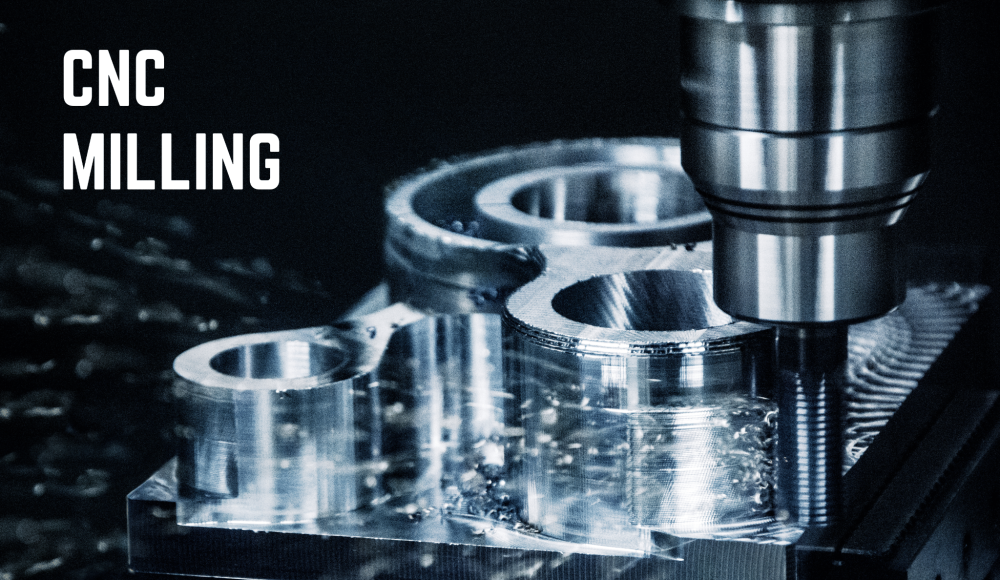
Ever wondered how the intricate parts in your gadgets came to be? CNC milling might just be the unsung hero behind your favorite tech. This process shapes the world around us, one precise cut at a time. If you’re keen to unravel the magic behind those perfect cuts and grooves, you’ve landed in the right spot.
What is CNC Milling?
CNC milling stands as a cornerstone in the world of manufacturing, merging the power of computer numerical control with the versatility of milling. It’s where technology meets tradition, transforming blocks of material into precise parts with the help of sophisticated machinery and software.
At its core, CNC milling is about subtraction. It starts with a solid block, also known as the workpiece. The magic unfolds as the milling machine’s cutting tools dance across the surface, slicing away excess material to reveal the desired shape. It’s like sculpting, but with the precision of a computer and the finesse of a skilled craftsman.
This process isn’t just about making cuts; it’s about bringing ideas to life with unmatched accuracy. From aerospace components to custom jewelry, CNC milling plays a pivotal role in creating complex designs that manual techniques could hardly achieve. It’s the unsung hero behind the scenes, shaping the world one cut at a time.
Historical Development and Evolution of CNC Milling
The journey of CNC milling is a tale of innovation, evolving through decades of technological advancements. It began in the late 1940s, born from the need for more precision and efficiency in manufacturing processes. The introduction of numerical control transformed the way machining was done, paving the way for the CNC revolution.
In the 1960s, the development of computer technology gave numerical control a significant boost, leading to the first true CNC milling machines. These machines could interpret alphanumeric data and convert it into precise movements, revolutionizing manufacturing.
Fast forward to today, and CNC milling machines are marvels of engineering, capable of producing complex parts with minimal human intervention. They’ve become smarter, faster, and more accessible, thanks to advancements in computer technology and software.
This evolution isn’t just about the machines; it’s about the ever-expanding possibilities they bring to the table. From aerospace to medical devices, CNC milling has opened new horizons in manufacturing, making what was once deemed impossible, possible.
CNC Milling Machines: The Heart of Precision
Diving into the world of CNC milling machines is like opening a toolbox filled with the most advanced gadgets. Each machine, with its unique features and capabilities, is designed to tackle specific challenges in the manufacturing process.
Vertical and Horizontal Mills: The Dynamic Duo
At the forefront are vertical and horizontal milling machines. Vertical mills, with their spindle axis oriented vertically, are all about versatility. They’re the go-to for intricate parts like brackets and plates. Horizontal mills, on the other hand, boast a spindle axis that runs horizontally, making them the heavy lifters ideal for large, complex projects.
The Rise of 5-Axis Machines
Enter the game-changer: 5-axis milling machines. These powerhouses offer not one, not two, but five axes of movement, providing unparalleled precision and flexibility. Imagine a machine that can approach a workpiece from virtually any direction, allowing for complex shapes and angles with ease.
Features That Make the Cut
CNC milling machines stand out due to their advanced features, each adding value to the milling process:
- High-Speed Spindles: These allow for rapid cutting speeds, reducing production time while maintaining high-quality finishes.
- Robust Construction: The sturdy build of these machines ensures stability and precision, even during intense milling operations.
- Advanced Control Systems: With intuitive interfaces and sophisticated software, operators can execute complex milling tasks with precision and ease.
- Automatic Tool Changers: This feature minimizes manual intervention, allowing for seamless transitions between different milling operations.
- Coolant Systems: Essential for heat management, these systems keep the cutting area cool, extending tool life and ensuring the quality of the workpiece.
- Precision Calibration: Advanced sensors and calibration techniques ensure that every cut is made with exacting accuracy, crucial for intricate designs and tight tolerances.
Choosing Your Champion
When selecting the right CNC milling machine, consider these critical factors to ensure it meets your specific needs:
- Part Complexity: Evaluate the intricacy of the parts you intend to produce. Machines with higher axes and advanced features are better suited for complex geometries.
- Material Compatibility: Ensure the machine is capable of handling the types of materials you’ll be working with, from soft plastics to tough metals.
- Production Volume: High-volume projects may benefit from machines with faster cutting speeds and automatic tool changers to minimize downtime.
- Size Constraints: Consider the physical size of the parts you’ll be milling. Larger machines offer greater capacity but require more space.
- Future Projects: Think ahead to potential future projects. Opting for a machine with versatile capabilities can save you from needing an upgrade too soon.
- Budget Considerations: While more advanced machines offer greater capabilities, they also come with higher price tags. Balance your needs with your available budget.
By carefully weighing these features and considerations, you can select a CNC milling machine that meets your current demands and accommodates future growth and challenges. In CNC milling, the machine you choose is more than just equipment; it’s the heart of your operation, pumping life into your projects with each precise cut.
Overview of Materials Commonly Used in CNC Milling
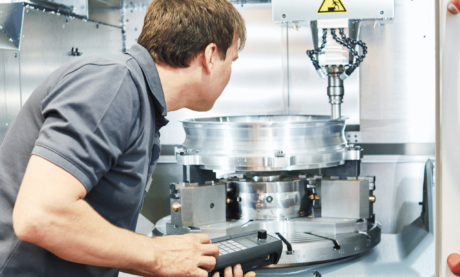
CNC milling isn’t just about the machines but also the materials they shape. The choice of material can significantly impact the final product, from its durability to its aesthetic appeal. Here’s a look at some of the most popular materials in the world of CNC milling:
- Metals: Aluminum, steel, and brass are among the most commonly milled metals, each offering unique properties. Aluminum is lightweight and corrosion-resistant, making it ideal for aerospace and automotive parts. Steel, known for its strength, is a go-to for heavy-duty components. Brass, with its excellent machinability, is often used for decorative items and electrical components.
- Plastics: Plastics like ABS, polycarbonate, and PEEK are favored for their versatility and ease of milling. ABS is durable and impact-resistant, perfect for prototypes and end-use parts. Polycarbonate offers transparency and high impact resistance, while PEEK is known for its high-temperature resistance and strength, suitable for demanding applications.
- Composites: Materials like carbon fiber and fiberglass are used for their strength-to-weight ratios, making them ideal for high-performance parts in the automotive and aerospace industries. These composites are challenging to mill but offer unparalleled benefits in the right applications.
- Wood and Foam: For non-industrial applications, woods and foams are often milled for artistic projects, models, and prototypes. These materials are softer and easier to mill, allowing for intricate designs and finishes.
Choosing the right material is a balancing act between the material’s properties, the desired finish, and the part’s intended use. Each material brings its own set of challenges and advantages to the milling table, influencing the choice of tools, milling strategies, and machine settings. Whether you’re creating a one-of-a-kind piece of art or a component for a high-tech gadget, the material plays a crucial role in bringing your vision to life.
How Does CNC Milling Work?
CNC milling is a symphony of precision engineering, where every move is meticulously planned and executed. Here’s a glimpse into the process:
- Design Stage: It all begins with a digital blueprint, usually created in CAD (Computer-Aided Design) software. This design outlines the dimensions, shapes, and features of the final part.
- CAM and Toolpath Generation: The CAD model is imported into CAM (Computer-Aided Manufacturing) software, where the milling strategies are devised. Toolpaths are created, guiding the cutting tools on where, how deep, and at what angle to cut.
- Machine Setup: The right tools are loaded, and the raw material is secured on the machine bed, ready for transformation.
- Milling Operation: The machine springs to life, following the predefined toolpaths. Cutting tools rotate at high speeds, slicing through the material to carve out the design.
- Final Touches: After milling, the part may undergo finishing processes like sanding or polishing to achieve the desired surface quality.
This process combines the prowess of modern computing with traditional machining wisdom, ensuring each part meets strict specifications with remarkable consistency.
Types of CNC Milling
CNC milling is versatile, adapting to various production needs. Here are some common types:
- Vertical Milling: Tools cut downwards, ideal for detailed work on the surface of a piece.
- Horizontal Milling: Best for jobs requiring material removal from the side of a workpiece.
- Face Milling: Focuses on cutting the very face of the material, perfect for achieving flat surfaces.
- Plain Milling: Also known as surface milling, it’s used for creating flat surfaces and cutting on the periphery of the cutter.
- Angular Milling: Cutting angles and chamfers, angular milling adds precision to edges and corners.
- Form Milling: Specialized for cutting curves, contours, and intricate shapes, perfect for custom or complex parts.
Each type serves a unique purpose, shaping the way we approach different milling challenges.
Applications of CNC Milling
The applications of CNC milling are as diverse as they are impactful, touching nearly every industry:
- CNC milling’s versatility extends its reach far beyond traditional boundaries, impacting various sectors with its precision and efficiency. Here’s a deeper dive into its widespread applications:
- Aerospace: In an industry where precision is non-negotiable, CNC milling steps up to craft critical components like engine mounts, landing gear parts, and even the intricate panels of spacecraft. These components demand materials that are light yet incredibly strong, such as titanium and advanced composites, showcasing CNC milling’s capability to work with challenging materials.
- Automotive: From the sleek contours of a sports car’s body to the robust engine parts hidden beneath the hood, CNC milling plays a pivotal role. It’s not just about functionality; aesthetic elements and custom fittings also benefit from the milling process, enabling manufacturers to push the boundaries of design and performance.
- Medical Devices: Precision isn’t just a requirement in this field; it’s a matter of life and safety. CNC milling manufactures implants, prosthetics, and orthopedic devices tailored to individual patients, enhancing their quality of life. The ability to work with biocompatible materials makes CNC milling invaluable in creating devices that interact seamlessly with the human body.
- Electronics: As devices shrink and their functions expand, the demand for precise and reliable components skyrockets. CNC milling answers this call by producing intricate parts like circuit boards, connectors, and enclosures. This precision extends the life of electronic devices and enhances their performance, proving that great things indeed come in small packages.
- Manufacturing and Tooling: Beyond creating final products, CNC milling shines in fabricating the tools that make other products possible. Molds, jigs, fixtures, and dies are all crafted with the same precision, ensuring that the manufacturing process itself is as efficient and reliable as the milling process.
- Art and Design: CNC milling bridges the gap between art and technology, enabling artists and designers to create complex sculptures, intricate jewelry, and bespoke furniture. This fusion of form and function demonstrates CNC milling’s adaptability, proving it’s as much about creativity as it is about precision.
- Research and Development: In the quest for innovation, CNC milling accelerates the prototyping phase, allowing researchers to test and refine their designs rapidly. This agility is crucial in fields like renewable energy, robotics, and aerospace, where advancements can significantly impact society.
CNC milling’s ability to produce complex shapes with high precision makes it indispensable across these industries, fueling innovation and efficiency at every turn.
How Much Does CNC Milling Cost?
Navigating the costs of CNC milling involves more than just a price tag; it’s about understanding value. Various factors influence the cost:
- Machine Time: The cornerstone of CNC milling costs, machine time is the duration your project occupies the machine. Complex parts requiring longer milling times naturally incur higher costs.
- Material Selection: From affordable aluminum to premium titanium, your choice of material directly impacts cost. High-performance materials often come with a premium price.
- Tool Wear and Maintenance: The intricate nature of CNC milling means tools wear out and machines need upkeep. These costs, while not always visible, are factored into pricing.
- Design Complexity: Simple designs can be produced quickly and at lower costs. In contrast, intricate designs with complex geometries demand more time and specialized tooling, driving up costs.
- Quantity: Economies of scale come into play here. Larger production runs typically reduce the cost per piece, thanks to the spread of setup and tooling costs over a larger number of parts.
Understanding these factors helps demystify CNC milling costs, allowing for informed decisions that balance quality and budget.
Benefits of the CNC Milling Process
CNC milling isn’t just about cutting metal; it’s about crafting solutions with a myriad of benefits:
- Precision and Quality: CNC milling delivers parts with exceptional accuracy, meeting stringent specifications with consistent quality across batches.
- Efficiency and Speed: Automated processes mean CNC milling can operate around the clock, turning out high volumes of parts faster than traditional methods.
- Flexibility: With the ability to handle diverse materials and complex geometries, CNC milling adapts to various production needs.
- Reduced Labor Costs: Automation reduces the need for manual labor, lowering costs and minimizing human error.
- Repeatability: CNC milling ensures that every part is a carbon copy of the last, which is crucial for industries where consistency is key.
The strategic advantages of CNC milling make it a cornerstone of modern manufacturing, driving innovation while ensuring quality and efficiency.
Limitations of CNC Milling
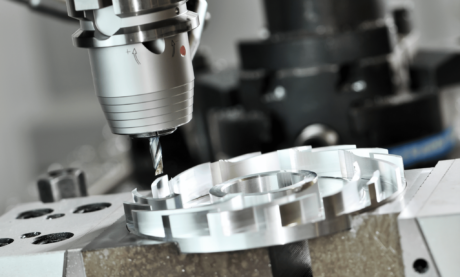
While CNC milling is a powerhouse in the manufacturing world, it’s not without its constraints. Understanding these limitations ensures a realistic approach to project planning and execution.
Initial Setup Costs
The upfront investment in CNC milling can be substantial. Purchasing machines, tooling, and software, along with training personnel, requires significant capital. This aspect makes it crucial for businesses to evaluate their long-term needs and potential ROI before diving in.
Complexity in Setup and Programming
Preparing a CNC milling machine for a new project isn’t always straightforward. It involves detailed programming and precise setup to ensure accuracy. This complexity means that small batch productions or one-off projects might not always be cost-effective due to the time and effort involved in setup.
Size Limitations
Every CNC milling machine has physical limits to the size of parts it can handle. This means that very large projects may need to be segmented or might not be feasible on smaller machines, potentially affecting the design and production process.
Material Restrictions
While CNC milling can handle a wide range of materials, there are limits. Extremely hard or abrasive materials can pose challenges, leading to increased wear on tools and potentially affecting the quality of the final product.
Acknowledging these limitations is essential for leveraging CNC milling effectively, ensuring that projects are aligned with the capabilities and strengths of this manufacturing process.
Conclusion: Reflecting on the Future of CNC Milling
As we wrap up our exploration of CNC milling, it’s clear that this technology is not just about shaping materials; it’s about shaping the future of manufacturing. The continuous advancements in software, automation, and machine capabilities promise to push the boundaries of what’s possible, making CNC milling even more versatile, efficient, and accessible.
The future of CNC milling is likely to see even tighter integration with technologies like AI and the Internet of Things (IoT), leading to smarter machines that can predict tool wear, optimize machining processes in real-time, and even adapt to varying material conditions. This evolution will further enhance the precision, speed, and cost-effectiveness of CNC milling, making it an even more indispensable tool in the manufacturing landscape.
Reflecting on the journey of CNC milling, from its inception to its current state and looking ahead to its future, it’s evident that this technology has been a key player in the industrial revolution. As we continue to innovate and push the limits of technology, CNC milling will undoubtedly play a pivotal role in bringing new ideas to life, reinforcing its status as a cornerstone of modern manufacturing.

7 thoughts on “CNC Milling: Everything You Need to Know”