

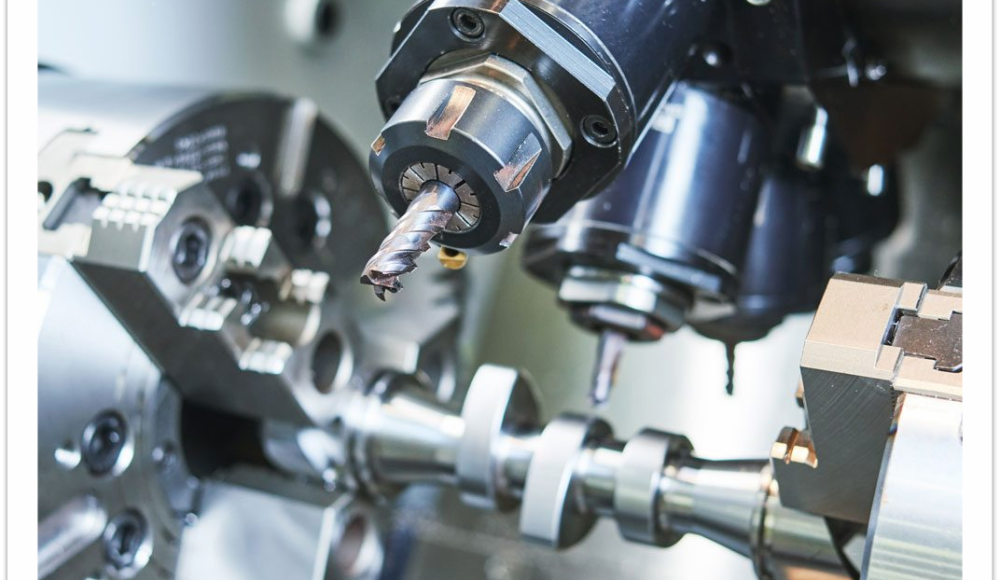
In the ever-evolving landscape of manufacturing, precision and efficiency have become paramount. One of the cutting-edge techniques revolutionizing the industry is Multi-Axis Machining. Let’s embark on a journey through the intricacies of this technology, exploring its purpose, tools employed, and its counterparts – Micromachining and 5-Axis Machining.
Introduction to Multi-Axis Machining
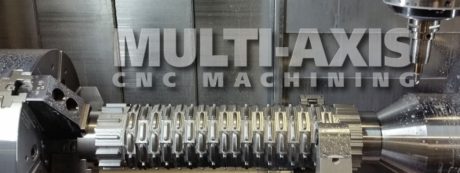
In the realm of manufacturing, Multi-Axis Machining stands out as a game-changer. Unlike traditional machining, which operates on three axes, multi-axis systems manipulate the workpiece with unparalleled precision using more than three axes. This introduction sets the stage for a deeper exploration of the purpose and tools involved in this innovative technique.
Purpose of Multi-Axis Machining
The primary purpose of Multi-Axis Machining lies in its ability to execute intricate designs and produce complex parts with unparalleled precision. As industries demand components with tighter tolerances, the precision engineering offered by multi-axis systems becomes indispensable.
Tools Used in Multi-Axis Machining
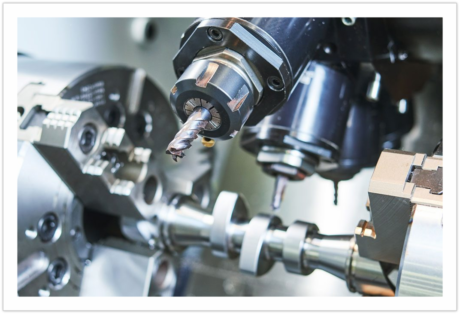
Here is a comprehensive table detailing the tools commonly employed in Multi-Axis Machining:
| Tool | Description |
| CNC Machines | Automated precision control |
| Rotary Tables | Enables rotation along additional axes |
| Cutting Tools | Specialized for various materials |
| CAD/CAM Software | Facilitates complex design programming |
Understanding Micromachining
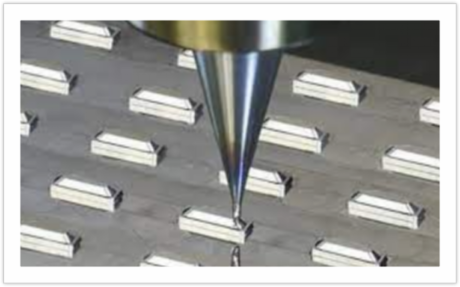
Micromachining takes precision to a microscopic level. It involves the fabrication of miniature components, often essential in electronics, medical devices, and aerospace. The next section delves into the purpose and tools associated with this intricate process.
Purpose of Micromachining
Micromachining serves the purpose of miniaturization, allowing the production of tiny components with remarkable precision. This is particularly crucial in industries where the size of components directly impacts functionality, such as in medical implants and electronic devices.
Tools Used in Micromachining
Refer to the following table for a breakdown of the tools commonly used in Micromachining:
| Tool | Description |
| Micro Milling Machines | Precise material removal on a small scale |
| Laser Machining Systems | Non-contact method for intricate patterns |
| Micro EDM (Electrical Discharge Machining) | Ideal for micro-hole drilling |
| Precision Lathes | Turning operations with high accuracy |
Exploring 5-Axis Machining
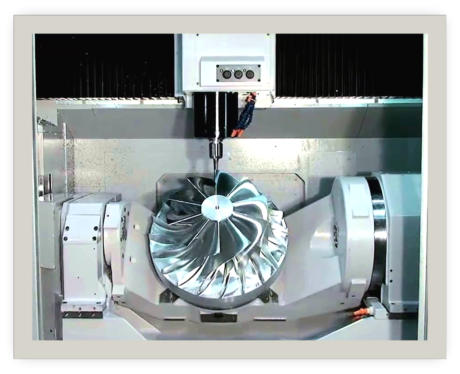
Taking precision, a step further, 5-Axis Machining introduces two additional rotary axes, allowing for more dynamic and complex part production. This section explores the purpose and tools of this advanced technique.
Purpose of 5-Axis Machining
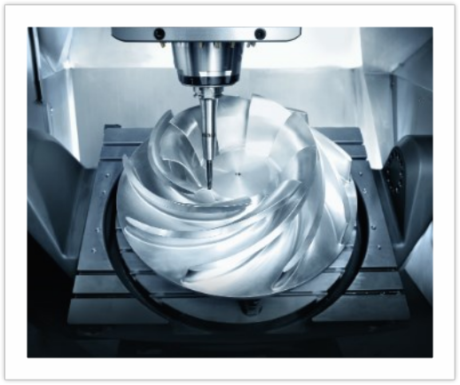
5-Axis Machining goes beyond precision; it enhances efficiency by reducing setup times and increasing production capabilities. Its ability to access multiple angles without repositioning the workpiece makes it invaluable in industries demanding intricate components.
Tools Used in 5-Axis Machining
Explore the table below for an insight into the tools integral to 5-Axis Machining:
| Tool | Description |
| Swivel Head/ Rotary Table | Facilitates movement along additional axes |
| Indexers | Enables rotation for complex geometries |
| Advanced Cutting Tools | Designed for simultaneous multi-axis operations |
| High-Speed Spindles | Enhances efficiency in material removal |
Perplexity in Machining Techniques
As machining techniques become more complex, striking the right balance between precision and intricacy becomes a challenge. Industries strive to meet perplexing demands while ensuring the quality and accuracy of the final product.
Burstiness in Machining Innovation
Innovation in machining is marked by burstiness – adapting to technological leaps and staying ahead in the competitive market. Manufacturers need to be agile, embracing advancements that enhance efficiency and output.
Importance of Specificity in Machining Processes
Specificity in machining is paramount. Tailoring techniques to meet unique requirements ensures the production of components that adhere to the highest standards of quality and functionality.
Maintaining Context in Machining Practices
The dynamic nature of manufacturing requires the seamless integration of traditional and modern machining methods. This ensures that practices remain relevant and effective in a rapidly evolving industry.
Engaging the Reader with Machining Realities
To bring these technical concepts to life, let’s delve into real-world applications, showcasing how these machining techniques are shaping industries and impacting our daily lives.
Conclusion
In conclusion, the evolution of machining technologies, from Multi-Axis to Micromachining and 5-Axis, underscores the relentless pursuit of precision and efficiency in manufacturing. These techniques not only meet industry demands but also pave the way for innovative solutions across various sectors.
FAQs:
1. How does Micromachining Contribute to Advancements In Electronics?
Micromachining enables the production of smaller and more intricate electronic components, contributing to the miniaturization of devices.
2. Why is 5-Axis Machining Considered Advanced?
5-Axis Machining allows for simultaneous movement along multiple axes, reducing setup times and increasing production efficiency.
3. Can Traditional Machining Methods Coexist with Modern Techniques?
Yes, maintaining context in machining practices involves integrating both traditional and modern methods for optimal results.
4. How does Burstiness in Machining Innovation Benefit Manufacturers?
Burstiness ensures manufacturers adapt quickly to technological advancements, staying competitive and efficient.
5. What Industries Benefit the Most from Multi-Axis Machining?
Multi-Axis Machining finds applications in aerospace, automotive, and medical device manufacturing.
2 thoughts on “Everything You Need to Know About Multi-Axis Machining”