
Introduction
Aluminum, a ubiquitous metal in our daily lives, holds immense significance in various industries. From aerospace to construction, its versatility is unmatched. But what sets aluminum apart is not just its properties but the precision with which it can be shaped and molded using CNC technology.
Properties of Aluminum
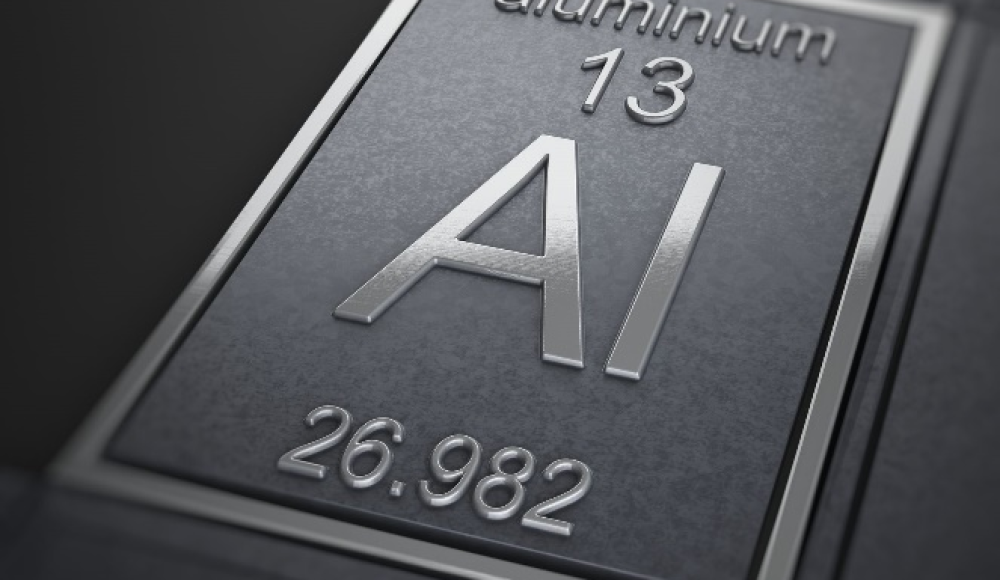
Before we embark on the journey of CNC Aluminum machining, understanding the properties of aluminum is crucial. This metal, known for its low density, corrosion resistance, and excellent conductivity, becomes a canvas for precision engineering.
Understanding CNC
CNC, or Computer Numerical Control, is the backbone of modern machining. When we pair this technology with aluminum, a world of possibilities unfolds. CNC Aluminum machining involves the use of automated systems controlled by computers to precisely shape aluminum components.
Purpose of CNC Aluminum
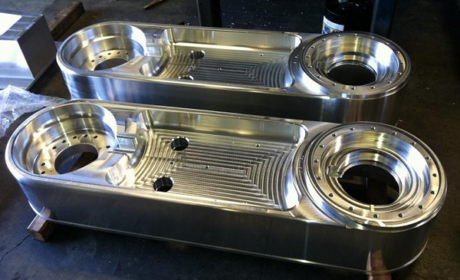
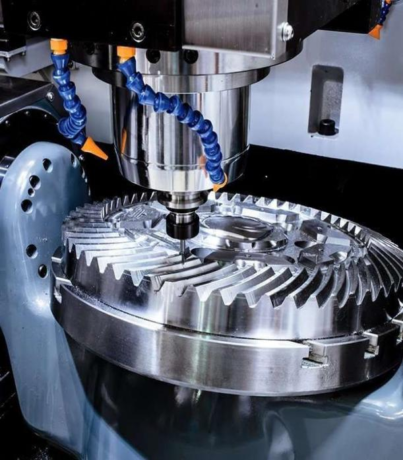
Why choose CNC Aluminum machining over traditional methods? The answer lies in precision. CNC technology elevates aluminum processing to an art form, allowing for intricate designs and exact specifications, catering to industries where precision is paramount.
Tools for CNC Aluminum
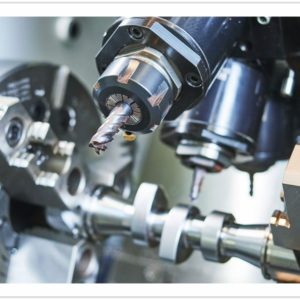
To achieve precision in CNC Aluminum machining, a set of specialized tools comes into play. From end mills for cutting to drills for creating holes, these instruments ensure that every cut, every contour, meets the predetermined design with perfection.
The Art of Machining
Machining aluminum is more than just cutting and shaping; it’s a meticulous process. CNC Aluminum machining involves removing material with precision to achieve the desired form, making it a delicate dance between man and machine.
CNC Machining Process
The CNC Aluminum machining process follows a well-orchestrated sequence. Beginning with a detailed Computer-Aided Design (CAD) model, each step is meticulously executed by the CNC machine, ensuring that the final product mirrors the digital blueprint with astonishing accuracy.
Tools in CNC Machining
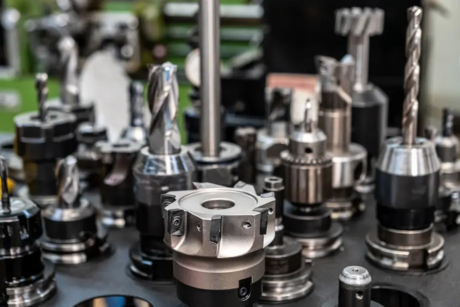
To demystify the art of CNC Aluminum machining, let’s list some of the essential tools used in the process:
| Tool | Function |
| End Mills | For precise cutting and shaping |
| Drills | Creating holes with accuracy |
| Lathe Tools | Turning and shaping cylindrical components |
| Router Bits | Carving and engraving intricate designs |
| Ball Nose End Mills | Ideal for 3D profiling and contouring |
Unveiling CNC Services
CNC services extend beyond a single process. These encompass a spectrum of precision machining techniques where CNC technology takes center stage. From milling to turning, CNC services ensure accuracy and repeatability in various applications.
Aluminum CNC Services
Specifically tailored for aluminum, CNC services for this metal offer specialized solutions. Whether it’s crafting components for the aviation industry or creating intricate designs for consumer electronics, aluminum CNC services provide the precision required.
Gazing Into the Future
As technology advances, so does the realm of CNC services. Anticipating the future, we can expect even more sophisticated applications, integration with artificial intelligence, and enhanced automation. The future of CNC services holds the promise of pushing the boundaries of precision even further.
Conclusion
In conclusion, the marriage of aluminum and CNC technology opens up a world of precision engineering. From understanding the properties of aluminum to unraveling the intricacies of CNC Aluminum machining, this journey signifies the evolution of manufacturing. As we gaze into the future, the promise of even more advanced CNC services cements the role of precision in shaping industries.
FAQs:
1. What Makes Aluminum a Preferred Choice for CNC Machining?
Aluminum’s low density, corrosion resistance, and excellent conductivity make it an ideal material for precision machining applications.
2. Why Choose CNC Aluminum Machining Over Traditional Methods?
CNC Aluminum machining offers unparalleled precision, allowing for intricate designs and exact specifications, a level of accuracy not easily achievable with traditional methods.
3. What are Some Essential Tools Used in CNC Aluminum Machining?
Essential tools include end mills for cutting and shaping, drills for creating holes, lathe tools for turning and shaping cylindrical components, router bits for carving and engraving, and ball nose end mills for 3D profiling and contouring.
4. How Does CNC Aluminum Machining Contribute to Precision?
CNC Aluminum machining involves automated systems controlled by computers, which ensuring together minimize human error, enhance consistency, and enable the production of complex parts with tight tolerances.