
Overview of Die Casting
High pressure is used to inject molten metal into a mold during the versatile and effective die casting manufacturing process. This process has many benefits in terms of effectiveness and economy when it comes to producing complex and well-shaped metal components.
Die Casting Parts Examples
Applications for die casting include the production of complex consumer electronics parts like laptop casings and smartphone frames, as well as engine blocks and transmission housings.
Benefits of Die Cast Parts
Die casting offers numerous benefits. First of all, it makes highly precise creation of intricate shapes possible. Furthermore, the method produces excellent dimensional consistency and surface finish, obviating the need for additional machining.
Use and Applications of Die Casting Parts
Die casting parts find wide-ranging applications in industries such as automotive and aerospace, as well as in electronics and home appliances. Die casting is a preferred option for manufacturers looking to produce detailed and high-quality metal components because of its versatility.
The Objective and Importance of Die Casting
Die casting is primarily used to produce highly efficient, intricate, and dimensionally accurate metal parts. Its ability to produce large quantities of parts with consistent quality, which makes it an ideal solution for mass production, is what makes it significant.
Types of Die Casting
Die casting techniques come in a variety of forms, each designed to meet particular needs:
Gravity die casting
Low pressure die casting
The best casting technique for each of these methods varies, as does the way molten metal is injected into the mold.
Quality Standards in Die Casting
In die casting, quality control is crucial. Consistency and dependability in the produced components are vitally dependent on industry standards, like ISO certifications.
Die Cast Product Quality Examples
Good die-cast products are easily identifiable in commonplace items. The impact of superior die casting is extensive, ranging from consumer electronics that are aesthetically pleasing to complex automotive parts that enhance vehicle safety.
Machines Used in Die Casting
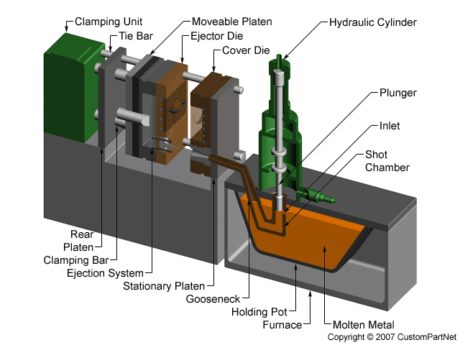
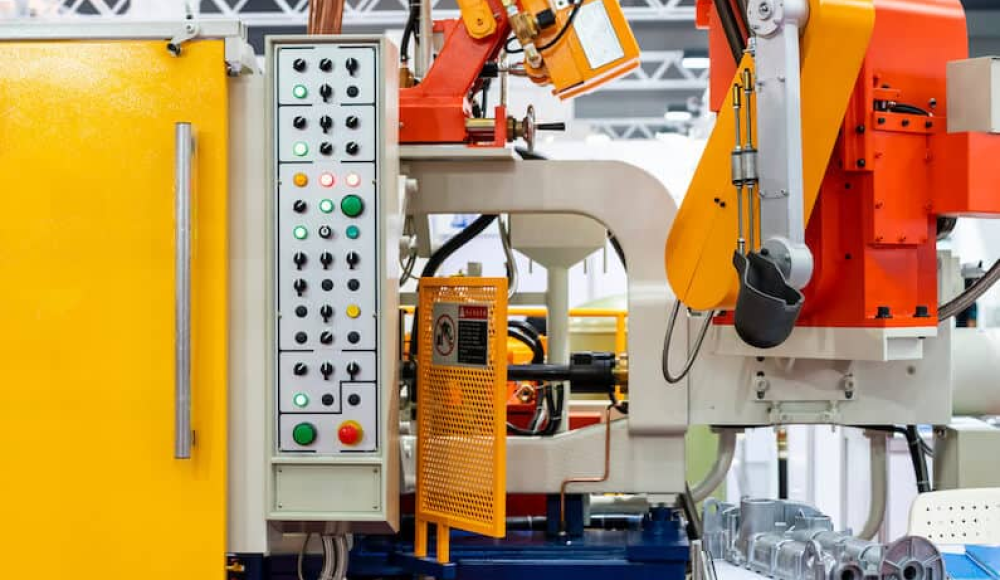
The size and capacity of die casting machines vary. It is usual practice to inject molten metal into the mold using high-pressure machinery. These devices’ accuracy and efficiency play a major role in the die casting process’s success.
Important Elements That Influence Die Casting Quality
Die casting quality is influenced by a number of variables, such as the injection process, metal composition, and mold design. Ensuring the production of die-cast parts of superior quality requires a careful consideration of these factors.
Problems and Advantages in Die Casting
Die casting has advantages, but it also has drawbacks like mold deterioration and porosity. These problems are constantly being addressed by innovations such as process optimization and advanced materials.
Sustainability in Die Casting
Sustainable practices are becoming more and more prevalent in the die casting industry. Manufacturers are actively seeking eco-friendly solutions, from cutting energy use to recycling scrap metal.
Technological Futures in Die Casting
Exciting developments in digital technologies, automation, and materials science await die casting in the future. These developments are expected to improve productivity and broaden die casting’s range of applications.
Conclusion
To sum up, die casting is a fundamental component of contemporary manufacturing, providing accuracy, effectiveness, and adaptability. Gaining an understanding of the intricacies of die casting, ranging from machine types and types to quality standards and future trends, enables manufacturers to fully leverage die casting’s potential for successful manufacturing endeavors.
FAQs
- Describe die casting and explain its operation.
- Die casting is a manufacturing technique that produces intricate and precisely shaped metal components by forcing molten metal into a mold at high pressure.
- What kinds of parts are made by die casting?
- Die casting is used in many different applications, such as the manufacturing of intricate parts for consumer electronics like smartphone frames and laptop casings, as well as engine blocks and transmission housings.
- What advantages can die cast components provide?
- Die casting eliminates the need for additional machining by offering highly precise creation of intricate shapes, excellent dimensional consistency, and surface finish.
- Which sectors of the economy typically use die casting parts?
- Die casting’s ability to produce intricate and superior metal components makes it useful in a variety of industries, including automotive, aerospace, electronics, and home appliances.
- What is die casting’s purpose and significance?
- The creation of extremely effective, complex, and dimensionally accurate metal parts is the main goal of die casting. Its importance stems from its capacity to produce parts in large quantities with reliable quality.
- How is die casting quality maintained?
- Industry standards like iso certifications guarantee consistency and dependability in the produced components, which makes quality control in die casting essential.
- Where can the effects of high-quality die-cast products be seen?
- The benefits of excellent die casting are widespread and can be seen in everyday objects like sophisticated automotive components that improve vehicle safety and aesthetically pleasing consumer electronics.