

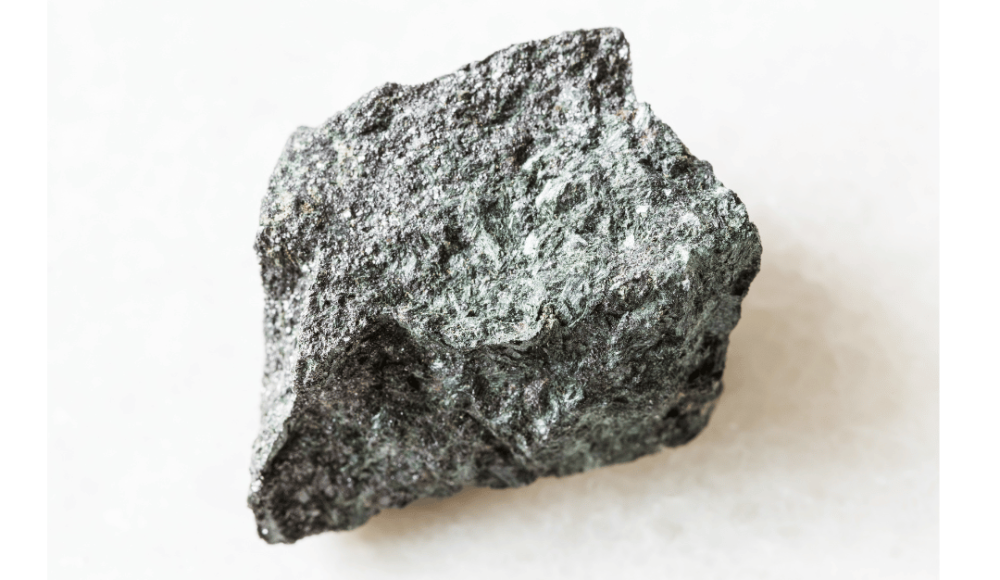
Metalloids: they straddle the line between metals and non-metals, sparking a world of intrigue. Ever wondered where these enigmatic elements fit in the grand scheme of chemistry? You’re about to embark on a journey into the heart of the periodic table, where metalloids reside, blurring boundaries and challenging norms. This guide isn’t only a deep dive; it’s a revelation that reshapes how you view these versatile elements.
In this ultimate guide, we’ll uncover:
- The essence of metalloids and their unique identity.
- A comprehensive list of elements that are grouped as metalloids.
- Their strategic position in the periodic table.
- The fascinating properties that set metalloids apart.
- And a treasure trove of more insights.
Metalloids might be the unrecognized heroes of the periodic table. They’re not only elements but also the bridge between two worlds. Get ready to explore their secrets and see the periodic table in a whole new light.
What are Metalloids?
Metalloids are like the chameleons of the periodic table, defying easy categorization. They hold a unique position, personifying a blend of both metallic and non-metallic properties. This duality makes them fascinating and a bit mysterious. Think of metalloids as the boundary-breakers of chemistry, living in a world that’s neither completely metal nor entirely non-metal.
Metalloids stand at the crossroads of metals and non-metals, blending traits from both. They can conduct electricity, yet they’re not as efficient as their metal counterparts. They’re semiconductors, making them invaluable in the world of electronics. But that’s just scratching the surface. Their versatility extends beyond conductivity. Metalloids can also show varying physical states and reactivity, depending on the conditions they’re subjected to.
So, why should you care about metalloids? Their applications are vast and impact daily life. From your smartphone’s microchips to solar panels harnessing the sun’s energy, metalloids are at the heart of modern technology. They’re not merely elements on a chart; they’re the unsung innovators in our electronic world.
Which Elements are Metalloids?
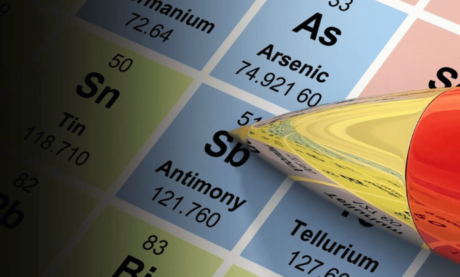
Metalloids are a select group of elements with properties that make them stand out in the periodic table. Here we’re going to explore each one, delving into their technical aspects, symbols, atomic numbers, and unique characteristics.
1. Germanium
Germanium, known by its symbol Ge and atomic number 32, shines as a hard, grayish-white metalloid with a lustrous appearance. It’s known for its semiconductor properties, playing a pivotal role in the development of transistors and various electronic devices. Germanium’s ability to form large numbers of organometallic compounds is also noteworthy. In its pure form, it’s brittle and retains its luster in air at room temperature.
2. Silicon
Silicon, represented by Si and boasting atomic number 14, reigns as the most renowned metalloid. It’s a cornerstone in the tech industry, thanks to its semiconductor abilities, and is the Earth’s crust’s second most plentiful element. Silicon chips are the backbone of all modern electronics. Beyond electronics, it’s used in a variety of applications like solar cells and synthetic polymers like silicone.
3. Antimony
Antimony symbolized as Sb with atomic number 51, is a lustrous gray metalloid. It’s known for increasing hardness and strength when alloyed with other metals. Antimony compounds have been used for centuries, with applications ranging from cosmetics to medicinal treatments. Its conductivity properties vary greatly, making it a versatile element in different thermal environments.
4. Arsenic
Arsenic, with the symbol As and atomic number 33, has a notorious reputation due to its toxicity. However, it’s also a valuable metalloid with various uses. In its elemental form, arsenic is a steel-gray, brittle material. It’s used in lead alloys for batteries and ammunition, and its compounds are used in semiconductors, pesticides, and treated wood products.
5. Boron
Boron, denoted as B, atomic number 5, is a unique metalloid. It’s not found freely in nature, but in compounds like borax. Boron is essential for plant growth and is used in glassmaking, detergents, and as a semiconductor dopant. Its ability to absorb neutrons makes it valuable in nuclear reactors and radiation shields.
6. Tellurium
Tellurium, symbol Te, with atomic number 52, is a brittle, mildly toxic metalloid with a silvery-white appearance. It’s primarily used in alloys to improve machinability. Tellurium is also found in thermoelectric devices and in the semiconductor industry. Its rarity in the Earth’s crust adds to its mystique.
7. Polonium
Polonium, Po, atomic number 84, is a rare and highly radioactive metalloid. Discovered by Marie Curie, it’s used in anti-static devices and for research purposes. Polonium’s intense radioactivity makes it a source of heat in space probes and could potentially be used in nuclear reactors.
8. Astatine
Astatine symbolized as At, atomic number 85, is the rarest naturally occurring element on the Earth’s crust. It’s highly radioactive and has a short half-life, making it difficult to study. Astatine’s potential uses are mostly theoretical, but it could be used in radiotherapy for cancer treatment.
9. Tin
Tin, denoted as Sn, atomic number 50, is often thought of as a metal but has metalloid characteristics. It’s soft, malleable, and resistant to corrosion. Tin is used in solder, tin plating, and in alloys like bronze. Its oxide form is used in window glass production.
10. Bismuth
Bismuth, symbol Bi, with atomic number 83, is a brittle metalloid with a white, crystalline, slightly pink hue. It has the unique property of expanding while solidifying. Bismuth is used in cosmetics, pigments, and pharmaceuticals and is a safer alternative to lead in many applications.
Each of these metalloids brings its own set of fascinating properties and applications, making them integral to various industries and technologies. From the heart of your smartphone to the depths of space exploration, metalloids are silently shaping our world.
The Dawn of Metalloid Usage: When did it Begin?
The history of metalloids and their first use is a fascinating journey that intertwines with the development of human civilization and scientific understanding. While it’s challenging to pinpoint an exact date for the first use of metalloids, we can trace their utilization back to ancient times, with each metalloid having its unique history.
Boron, one of the metalloids, has a history that dates back to ancient times. Borax, a boron compound, was known to ancient cultures. The ancient Egyptians used borax in mummification and as a flux in goldsmithing. This suggests that the use of boron compounds likely began over 4,000 years ago.
Arsenic, another metalloid, has a similarly ancient history. It was known to the Bronze Age civilizations approximately 5,000 years ago. Arsenic was used to harden bronze, an alloy of copper and tin, which marked a significant technological advancement at the time. The intentional addition of arsenic to copper to create a stronger alloy represents one of the earliest known uses of a metalloid in metallurgy.
Antimony’s use can be traced back to ancient Egypt, where it was used in cosmetics and medicine. The discovery of antimony-coated vases in Mesopotamia, dating back to 3000 BC, also indicates its early use. Similarly, tellurium was identified much later in history, in the 18th century, but it likely had been used unknowingly in alloys for centuries.
Silicon, now a cornerstone of modern technology, was identified in the 19th century. However, silicates and silicon-containing compounds, like sand, have been used in glass and ceramic production for thousands of years. The actual element’s discovery and isolation in 1824 by Jöns Jacob Berzelius marked the beginning of our understanding of silicon as a metalloid.
Germanium, discovered in 1886, was not practically used until the 20th century. Its first significant application was in the development of the first semiconductor transistor in 1947, marking the dawn of the semiconductor era.
Polonium and astatine, both radioactive metalloids, were discovered in the late 19th and early 20th centuries, respectively. Their use has been primarily in scientific research due to their radioactivity. Polonium was used in the early 20th century in anti-static devices and more recently as a heat source in space probes.
The use of metalloids, therefore, spans millennia, from ancient times to the modern era. Each metalloid has a unique history, reflecting the development of human technology and scientific understanding. From early metallurgy to the heart of the digital age, metalloids have played a crucial role in advancing human civilization.
Metalloids on the Periodic Table: Where do They Stand?
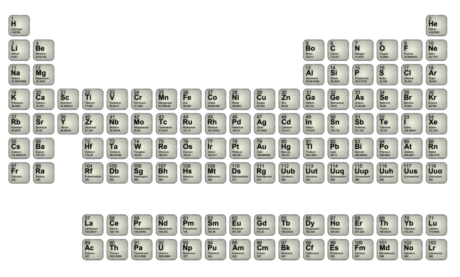
The position of metalloids in the periodic table is a key aspect of their identity, reflecting their unique nature that straddles the line between metals and non-metals. To understand where metalloids are located on the periodic table, it’s essential to grasp the table’s layout and the properties of elements that it represents.
The periodic table arranges elements in rows (periods) and columns (groups or families), based on their atomic number – the count of protons in their nucleus. This layout ensures elements with similar characteristics share the same column or group.
Metalloids form a unique diagonal streak in the periodic table’s p-block, bridging the gap between metals to their left and non-metals to their right. Their position is a nod to their intermediate nature. They possess a mix of metallic and non-metallic characteristics, which is why they are located at the boundary between these two classes of elements.
To identify metalloids on the periodic table, one can look for elements that sit along the staircase-like line starting from boron (B) to astatine (At). This line begins at boron (B, atomic number 5), located in group 13 and period 2, and then moves diagonally down to silicon (Si, atomic number 14), germanium (Ge, atomic number 32), arsenic (As, atomic number 33), antimony (Sb, atomic number 51), tellurium (Te, atomic number 52), and finally to astatine (At, atomic number 85). These elements are bordered by more metallic elements on the left side and more non-metallic elements on the right side.
Remember, the metalloid label can differ slightly depending on the scientist or source you consult. For example, elements like polonium (Po) and astatine (At) are sometimes classified as metalloids due to their properties and position, but in other contexts, they might be categorized differently.
The strategic placement of metalloids on the periodic table goes beyond mere classification; it’s a key to unlocking their chemical behavior.Top of Form Their intermediate properties make them versatile in various applications, especially in semiconductors and electronics. Understanding where metalloids are located on the periodic table is decisive for grasping their role in nature and technology.
Exploring Metalloid Characteristics: What Sets Them Apart?
Let’s dive into the unique physical and chemical traits of metalloids:
Physical Properties of Metalloids
Metalloids stand out with their unique physical properties, bridging the gap between metals and non-metals. These characteristics aren’t just for show; they play a crucial role in metalloids’ applications across various sectors, from electronics to material science.
- Electrical Conductivity: Metalloids are celebrated for their electrical conductivity, which finds a middle ground between metals and non-metals. Unlike the consistent conductivity of metals, metalloids offer a more varied electrical performance. This property is highly temperature-dependent; as the temperature increases, their conductivity usually improves. This characteristic makes metalloids ideal for use in semiconductors, where controlled conductivity is essential. In semiconductors, metalloids can be ‘doped’ with other elements to enhance or reduce their conductivity, a property pivotal in the manufacturing of electronic devices.
- Boiling and Melting Points: Metalloids typically have higher melting and boiling points than non-metals but lower than most metals. This intermediate state is due to their unique atomic structure. The strong covalent bonding in metalloids contributes to their relatively high melting points, while their metallic bonds are not as strong as those found in true metals, leading to lower boiling points compared to metals. These properties are crucial in applications where stability under varying temperatures is required.
- Allotropes: Many metalloids can exist in different structural forms, known as allotropes. These different forms result in varied physical properties. For instance, carbon, a non-metalloid, has well-known allotropes like graphite and diamond. Similarly, metalloids like silicon and germanium can form different allotropes, each with unique physical properties. Their ability to adopt different structural forms enhances metalloids’ adaptability in numerous uses.
- Physical Form: Metalloids generally have a solid physical form at room temperature. They exhibit a metallic luster but are usually more brittle than metals. This brittleness is a significant factor in their handling and use in manufacturing. Despite their solid state, metalloids can be quite malleable under the right conditions, allowing them to be shaped and used in various ways, from electronics to alloys.
- Thermal Conductivity: Metalloids strike a balance in thermal conductivity, not too high like metals, nor too low like non-metals. This property is particularly important in applications where heat dissipation is crucial, such as in electronic components. The ability of metalloids like silicon to conduct heat effectively, but not as efficiently as metals, makes them ideal for use in environments where controlled heat conductivity is needed.
- Density: The density of metalloids varies, but they are generally denser than non-metals and less dense than metals. This intermediate density is a result of their atomic structure, which is less tightly packed than metals but more so than non-metals. The density of metalloids plays a role in their use in various applications, particularly in the manufacturing of lightweight, yet strong materials.
- Hardness: Metalloids are typically harder than non-metals but softer than most metals. This hardness is a result of their unique atomic bonding, which is stronger than that in non-metals but not as strong as in metals. The hardness of metalloids is a critical factor in their use, especially in materials science and engineering, where a balance of hardness and other properties is often required.
- Brittleness: One of the defining physical properties of metalloids is their brittleness. Unlike metals, which are usually ductile and malleable, metalloids tend to break or shatter when subjected to stress. This brittleness limits their use in applications where flexibility or ductility is required. However, it also makes them suitable for certain uses where rigidity and a high breaking point are advantageous.
- Mechanical Properties: The mechanical properties of metalloids, including their strength and elasticity, are intermediate between metals and non-metals. These properties are influenced by their atomic structure and bonding. Metalloids can withstand a certain amount of force before deforming, making them useful in various structural applications. Their mechanical properties are particularly important in the field of materials science, where they are used to create composites and alloys with specific desired characteristics.
- Metallic Appearance: Despite their brittle nature, metalloids often have a metallic appearance with a shiny, reflective surface. This appearance is due to their electron structure, which allows them to absorb and reflect light in a way similar to metals. The metallic appearance of metalloids makes them attractive for use in decorative applications, as well as in functional uses where their other physical properties are advantageous.
These properties are not just of academic interest; they have practical implications in various fields, from electronics to materials science, making metalloids indispensable in modern technology and industry.
Chemical Properties of Metalloids
Metalloids, with their unique position in the periodic table, exhibit a fascinating array of chemical properties that set them apart from both metals and non-metals. These properties are crucial in understanding their behavior and applications in various fields.
- Electronegativity: Electronegativity in metalloids is a particularly intriguing property. It refers to an atom’s ability to attract and hold onto electrons. Metalloids typically have electronegativity values that are higher than metals but lower than non-metals. This intermediate electronegativity is key to their dual behavior. For instance, silicon (Si) has an electronegativity of 1.90 on the Pauling scale, placing it between the more electronegative oxygen (3.44) and the less electronegative aluminum (1.61). This property influences how metalloids form bonds and interact with other elements, often leading to the formation of semiconductors.
- Reactivity with Nonmetals: Metalloids’ reactivity with nonmetals is another aspect that highlights their intermediate nature. They can form compounds with nonmetals, but the nature of these compounds can vary widely. For example, boron (B) reacts with nitrogen to form boron nitride, which has a structure similar to graphite and is used as a lubricant. Silicon, on the other hand, reacts with oxygen to form silicon dioxide (SiO2), a major component of sand and glass. This reactivity is not as vigorous as that of metals with nonmetals but is significant enough to form a wide range of compounds.
- Oxidation States: The oxidation states of metalloids are diverse, reflecting their ability to lose or gain electrons. Metalloids can exhibit multiple oxidation states, which is a contrast to most metals that usually have one or two common oxidation states. For instance, arsenic (As) can have oxidation states of -3, 0, +3, and +5. This versatility in oxidation states contributes to the wide range of compounds metalloids can form and their varied applications in chemical reactions and technology.
- Covalent Bonds: Metalloids typically form covalent bonds, where electrons are shared between atoms. This is a characteristic more akin to non-metals. The ability of metalloids to form covalent bonds is crucial in their role in semiconductors and other electronic materials. Silicon, for example, forms strong covalent bonds in a crystal lattice, which is fundamental to its use in computer chips and solar cells.
- Alloy Formation: Some metalloids can form alloys with metals, which are mixtures of two or more elements, where at least one is a metal. These alloys often have enhanced properties compared to the pure elements. For example, adding a small amount of antimony (Sb) to lead increases its hardness and mechanical strength, making it more suitable for applications like batteries and cable sheathing.
- Chemical Reactivity: The chemical reactivity of metalloids can be quite varied and is heavily influenced by their environment and the elements they interact with. They can behave like metals under certain conditions and like non-metals under others. For instance, boron reacts with fluorine to form boron trifluoride (BF3), a compound used in organic synthesis. This reactivity is not as predictable as that of metals or non-metals, making metalloids particularly interesting in chemical research and industry applications.
The chemical properties of metalloids, including their electronegativity, reactivity with nonmetals, diverse oxidation states, ability to form covalent bonds, alloy formation, and variable chemical reactivity, make them a unique and invaluable group of elements. These properties are key to their wide range of applications, from electronics to alloys, and contribute to their ongoing interest in scientific research.
What are the Applications of Metalloids?
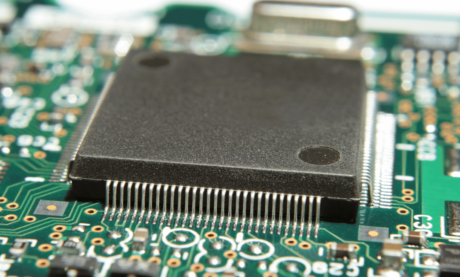
Metalloids, with their unique blend of metallic and non-metallic properties, find diverse applications across various industries. Their versatility makes them indispensable in modern technology and everyday products.
Semiconductors
Metalloids, particularly silicon and germanium, are fundamental to the semiconductor industry. Semiconductors are materials that have a conductivity among conductors (generally metals) and non-conductors or insulators (such as most ceramics).
Silicon is used extensively in electronic devices due to its ability to control electrical current efficiently. Germanium, though less common, is also used in semiconductors, especially in high-speed devices and fiber optics.
Intel, a leader in semiconductor technology, has been utilizing silicon in its microprocessors for decades. A notable example is the Intel Core series of CPUs. These microprocessors are built on silicon wafers using sophisticated fabrication processes that involve doping the silicon with other elements to enhance its conductivity and control the flow of electricity. This technology has been pivotal in advancing personal computing, powering millions of computers around the world.
Silicone Rubber
Silicone, a polymer containing silicon, oxygen, carbon, and hydrogen, is another significant application of metalloids. Silicone rubber is known for its flexibility, resistance to extreme temperatures, and water repellency. This makes it ideal for use in cookware, medical devices, sealants, lubricants, and insulation.
SpaceX, the aerospace manufacturer, uses silicone rubber in various components of its spacecraft due to its thermal stability and flexibility. Silicone rubber seals and gaskets are employed in the Falcon rockets, ensuring durability and resistance to extreme temperature variations experienced during space missions. This application highlights the material’s reliability in high-stakes environments.
Biological Agents
Certain metalloids have biological applications. For instance, arsenic, despite its toxicity, has been used in medicines, particularly in the treatment of certain types of leukemia. Boron is essential for plant growth and is used in fertilizers. It also has applications in pharmaceuticals and antiseptics.
A significant medical breakthrough was the use of arsenic trioxide in treating acute promyelocytic leukemia (APL). This approach, which emerged in the late 1990s, revolutionized APL treatment, turning a once-fatal disease into a highly manageable condition. Arsenic trioxide works by inducing malignant cells to mature and die naturally.
Alloying Elements
Metalloids like silicon, antimony, and arsenic are used as alloying elements. Silicon is used to improve the strength and durability of aluminum. Antimony is used in lead alloys to increase hardness and mechanical strength, particularly in batteries.
The automotive industry extensively uses aluminum alloys containing silicon to manufacture engine blocks and cylinder heads. These alloys offer an excellent strength-to-weight ratio, enhancing fuel efficiency. A notable example is Ford’s EcoBoost engine, which uses a high-silicon aluminum alloy for reduced weight and improved thermal efficiency.
Glass and Ceramics
Metalloids contribute significantly to the glass and ceramics industry. Take boron, for instance. It’s a key player in borosilicate glass, famed for its resistance to sudden temperature changes. This glass type is a go-to for lab equipment and kitchenware. Silicon carbide, another metalloid compound, is used as an abrasive and in ceramic formulations.
Borosilicate glass, known for its resistance to thermal shock, is widely used in laboratory equipment. Brands like Pyrex and Duran have become synonymous with high-quality lab glassware, from beakers to test tubes, that can withstand sudden temperature changes without shattering, ensuring safety and reliability in scientific experiments.
Photovoltaics
The use of metalloids in photovoltaics, particularly silicon, is a rapidly growing field. Silicon is the primary material used in solar cells that convert sunlight into electricity. This application harnesses the semiconductor properties of silicon to create a sustainable energy source.
The use of silicon in photovoltaic cells is exemplified by the Solar Star project in California, one of the world’s largest solar farms. This facility uses silicon-based solar panels to generate enough electricity to power over 250,000 homes, showcasing the potential of metalloids in sustainable energy solutions.
Flame Retardants
Certain metalloids, like antimony, are used in flame retardants. Antimony trioxide, for example, is used as a synergist to enhance the effectiveness of other flame retardants. It’s commonly used in plastics, textiles, and electronic equipment to reduce flammability.
Antimony trioxide is used as a flame retardant in the casings of electronic devices such as laptops and smartphones. For instance, certain models of HP laptops use casings with antimony trioxide to reduce flammability, enhancing user safety.
Agrochemicals
Metalloids also find applications in agrochemicals. Boron, for instance, is used in borate compounds for plant nutrition. It’s essential in small amounts for plant growth but can be toxic in higher concentrations. Boron is critical in agriculture for plant growth.
In Turkey, a leading producer of boron, borate compounds are used in fertilizers to address boron deficiency in soils, leading to increased crop yields and improved quality of produce, such as in citrus and olive cultivation.
Each of these case studies demonstrates the profound impact metalloids have had across various sectors, from technology and aerospace to medicine and agriculture. Their unique properties have not only facilitated advancements in these fields but have also contributed significantly to improving the quality of life and fostering sustainable practices.
FAQs
What are the 7 Metalloids?
The seven metalloids that often steal the spotlight are Tellurium (Te), Boron (B), Arsenic (As), Silicon (Si), Germanium (Ge), Antimony (Sb), and Polonium (Po). These elements form a zig-zag line on the periodic table, neatly dividing metals and non-metals. Each of these metalloids exhibits a unique blend of metallic and non-metallic properties, making them distinct and versatile in various applications.
Unraveling the Mystery: Metals, Nonmetals, and Metalloids
Metals, nonmetals, and metalloids are the trio of element categories on the periodic table, each boasting its own set of unique features:
- Metals are the show-offs, often shiny, and ace at conducting heat and electricity. They’re flexible, being malleable (think thin sheets) and ductile (hello, wires!). In the chemical world, they’re known for losing electrons and forming positive ions.
- Nonmetals hang out mostly on the right side of the periodic table (with Hydrogen as the exception). They’re the opposite of flashy, usually dull, and not great at conducting heat or electricity. Don’t expect them to be malleable or ductile. In reactions, nonmetals are the electron grabbers or sharers, especially when mingling with metals.
- Metalloids are the middle ground, with a bit of both worlds. They might be shiny or not, and they’re decent electricity conductors, though not as good as metals. Their flexibility and ductility are a mixed bag. In chemical reactions, metalloids are the chameleons, sometimes losing electrons like metals and other times gaining them like nonmetals.
What is a Metalloid’s Most Useful Property?
The most useful property of metalloids is their semiconducting ability. This property is particularly evident in silicon and germanium, which are crucial in the electronics industry. Semiconductors have electrical conductivity between that of a conductor (like metals) and an insulator (like glass).
This unique property allows them to control electrical current, making them essential for integrated circuits, transistors, solar cells, and various electronic devices.
Metalloids are known for a few shared characteristics, including:
- Variable Electrical Conductivity:Metalloids have electrical conductivity that is between metals and nonmetals. This conductivity can often be altered by adding impurities, a process known as doping.
- Lustrous Appearance:Many metalloids have a shiny, metallic luster, similar to metals.
- Brittleness:Unlike metals, which are typically malleable and ductile, metalloids are more brittle and are less likely to deform under stress.
- Intermediate Melting Points:Metalloids generally have melting points higher than nonmetals but lower than metals.
- Semi-Conducting Properties:As mentioned, this is perhaps their most significant property, especially in the context of modern technology.
- Chemical Reactivity:Metalloids are versatile in reactions, sometimes acting like metals by losing electrons, and other times like nonmetals, gaining electrons, depending on their reaction partners.
These properties make metalloids uniquely valuable in various industrial and technological applications, bridging the gap between metals and nonmetals in the periodic table.
Discover the Wonders of Metalloids: Bridging Two Worlds
As we wrap up this journey through the world of metalloids, you’ve gained a wealth of knowledge about these fascinating elements. They’re not placeholders on the periodic table; they’re dynamic players in the realm of science and technology. Let’s quickly recap the key takeaways:
- Metalloids’ unique position in the periodic table.
- Their distinct physical and chemical properties.
- The critical role of metalloids in various industries.
- The versatility and applications of metalloids, from semiconductors to biomedicine.
Metalloids truly are the unsung heroes of the elemental world. They exemplify adaptability and versatility, seamlessly blending the qualities of metals and non-metals. This guide has illuminated their significance as scientific curiosities and vital components in advancing technology and improving our daily lives.
Remember, every time you use a smartphone or enjoy the benefits of modern technology, metalloids play a part in that experience. They’re not elements; they’re the bridge between two elemental realms, continually shaping our world.
Hello, Neat post. There is an issue with your website in internet explorer,
could check this? IE still is the marketplace chief and a big portion of other people will leave out your wonderful writing because of this problem.
I every time used to study paragraph in news papers but now as I am a user of net
thus from now I am using net for content, thanks to web.
Keep this going please, great job!
Oh my goodness! Incredible article dude! Thank you so much,
However I am going through problems with your RSS. I don’t
know why I cannot subscribe to it. Is there anybody having the
same RSS problems? Anybody who knows the answer will you kindly
respond? Thanks!!