
Surface finish, often overlooked by the untrained eye, plays a pivotal role in engineering and manufacturing processes. It’s a term that encompasses the texture, roughness, and overall quality of a material’s outer layer. In this article, we’ll delve into what surface finish is, why it’s vital in engineering, methods to measure surface roughness, and even provide a handy surface roughness chart cheat sheet.
What is Surface Finish?
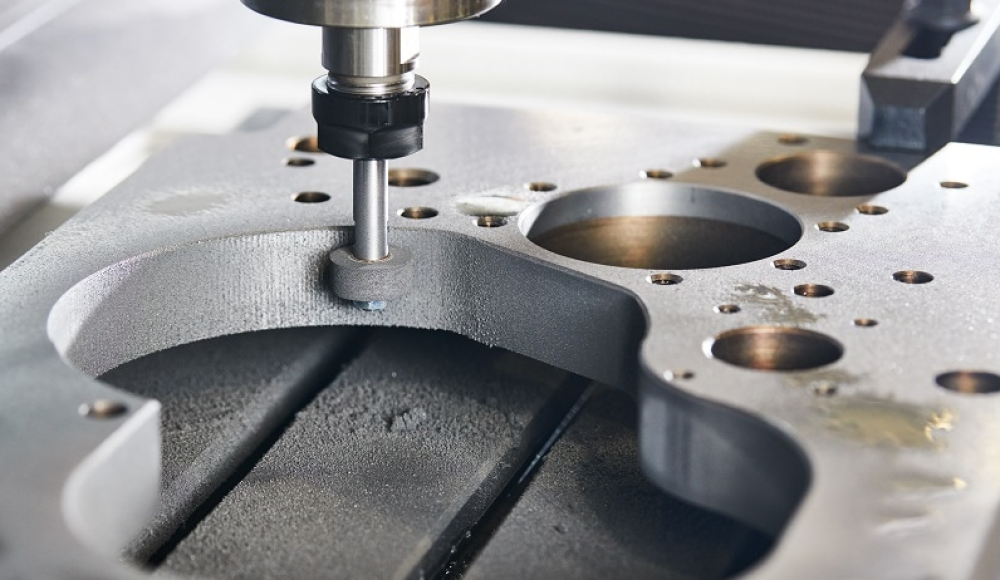
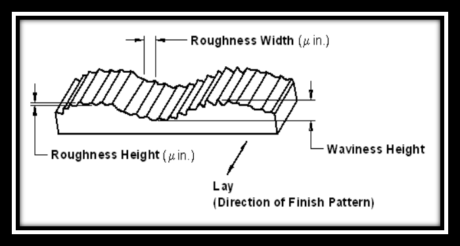
Surface finish refers to the topography or texture of a material’s surface. It’s all about how rough or smooth a surface is, and it impacts not only the appearance but also the functionality of engineered components. In essence, surface finish can make or break a product, as it affects everything from aesthetics to performance.
Surface Roughness: The Nitty-Gritty Details
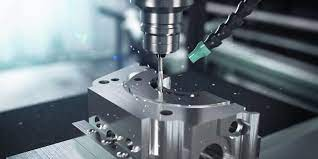
One of the key elements of surface finish is surface roughness. Surface roughness is a measure of the small, finely spaced deviations in the surface profile of a material. In simpler terms, it quantifies the irregularities on a surface. These deviations can be microscopic or visible to the naked eye. Surface roughness is typically measured in micrometers (µm) or microinches (µin).
Why Surface Finish Matters in Engineering Processes?
Surface finish is crucial for several reasons:
1. Functionality
In engineering, precision matters. Irregular or rough surfaces can lead to friction, increased wear and tear, and reduced efficiency. Components with a smooth surface finish are less likely to experience these issues, making them more reliable and durable.
2. Aesthetics
In consumer products, appearance matters. A smooth surface finish enhances the visual appeal of items. Think about the sleek finish on your smartphone or the glossy exterior of your car.
3. Compatibility
The right surface finish can also affect how materials interact with each other. Proper finish ensures that parts fit and work together seamlessly.
4. Corrosion Resistance
Surface finish can provide a protective layer against environmental factors, enhancing a material’s resistance to corrosion and deterioration.
Methods of Measuring Surface Roughness
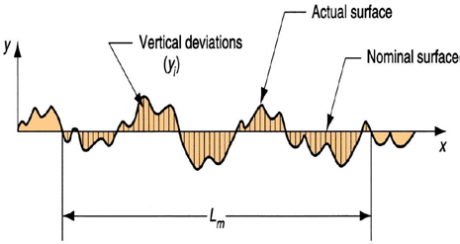
To achieve the desired surface finish, engineers and manufacturers use various methods to measure surface roughness. These methods fall into four categories:
1. Direct Measurement Methods
These techniques involve physically contacting the surface with a profilometer, stylus, or other measuring devices to quantify the roughness parameters.
2. Non-Contact Methods
In non-contact methods, instruments like laser or optical interferometers are used to assess the surface without making physical contact. This is crucial when dealing with delicate or sensitive materials.
3. Comparison Methods
Comparison methods involve measuring a reference surface’s roughness and comparing it to the surface in question. This can be done using a stylus or optical comparison.
4. In-Process Methods
These techniques are employed during the manufacturing process itself. They allow real-time monitoring and adjustments to achieve the desired surface finish.
Surface Roughness Chart Cheat Sheet
Understanding the myriad surface finishes can be daunting. To simplify the process, a surface roughness chart cheat sheet comes in handy. This reference tool provides a quick overview of common surface finishes and their corresponding roughness values. With this cheat sheet, engineers and manufacturers can easily communicate and achieve the desired surface finish for their products.
Here’s a table for the Surface Roughness Chart Cheat Sheet:
| Micrometers (µm) Rating | Microinches (µin) Rating | Applications |
| 25 | 1000 | Rough, low-grade surfaces from saw cutting or rough forging, suitable for unmachined clearance areas. |
| 12.5 | 500 | Rough, low-grade surfaces resulting from coarse feeds and heavy cuts during turning, milling, disc grinding, and more. |
| 6.3 | 250 | Medium roughness often found in parts requiring a good sealing surface or where fast break-in of moving parts is necessary. |
| 3.2 | 125 | A general-purpose surface finish ideal for machine parts, where appearance is not critical. |
| 1.6 | 63 | Commonly used for automotive applications, as well as for parts requiring a good bearing surface. |
| 0.8 | 32 | A fine surface finish that’s suitable for engine components, where high performance is essential. |
| 0.4 | 16 | Used for optical components and where a highly polished surface is crucial for functionality. |
| 0.2 | 8 | Extremely smooth surface finish, often required for critical optical or scientific applications. |
| 0.1 | 4 | Ultra-smooth surface finish typically used in advanced optics, precision instruments, and high-tech applications. |
This cheat sheet provides a quick reference for understanding the relationship between micrometers and microinches ratings and their common applications.
Conclusion
In conclusion, surface finish, with a focus on surface roughness, is a critical aspect of engineering and manufacturing processes. It influences functionality, aesthetics, material compatibility, and resistance to environmental factors. Measuring surface roughness is a precise science, involving various methods tailored to different applications. And with the help of a surface roughness chart cheat sheet, engineers can navigate the world of surface finish with ease, ensuring their products meet the highest standards of quality and performance. Please contact us if you need to know more.