
In the realm of modern manufacturing, technology has completely changed how we manufacture products. CNC manufacturing is among the biggest developments in this field. CNC, or computer numerical control, has grown to be a crucial part of the production process. We’ll explore the ins and outs of CNC manufacturing in this post, learning about its types, benefits, and differences from conventional manual manufacturing techniques.
Introduction
Manufacturing, which is the process of converting raw materials into finished products, has played a crucial role in human history for many years. But since the introduction of CNC manufacturing, this procedure has been greatly streamlined, offering more options for customization as well as increased efficiency and precision.
CNC manufacturing relies on advanced technology to control the production process, making it a vital component of various industries, from aerospace to automotive. In this article, we will explore the intricacies of CNC manufacturing and its profound impact.
What is Manufacturing?
To begin, let’s establish what manufacturing is. Manufacturing refers to the conversion of raw materials into usable goods or products. This process involves a series of steps, from design and material selection to production and quality control. Manufacturing has evolved significantly throughout history, from manual craftsmanship to automated processes, such as CNC manufacturing.
CNC Manufacturing
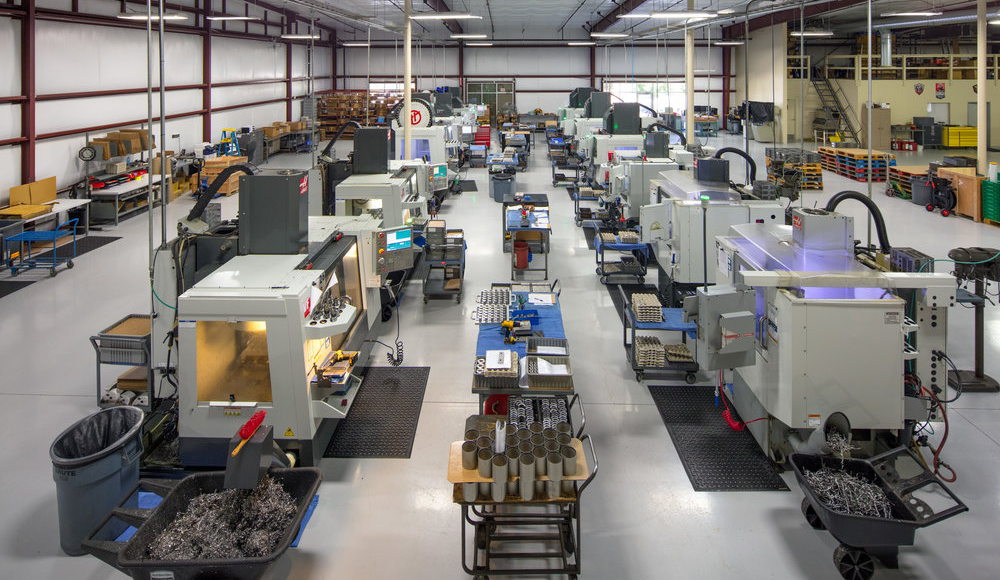
CNC manufacturing represents a leap forward in the world of production. CNC stands for Computer Numerical Control, which means that machines are controlled and operated by computers. This technology has revolutionized manufacturing processes by enabling precision and automation, resulting in increased productivity and consistency.
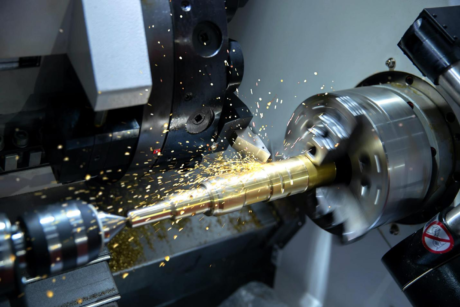
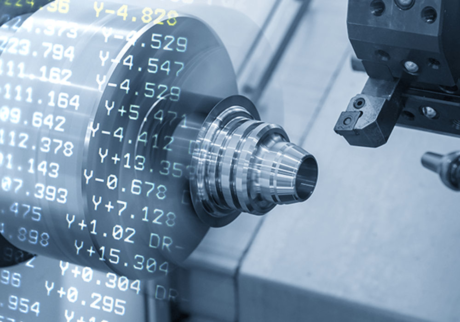
CNC machines operate based on numerical data and specific instructions. They consist of various components, including the machine itself, a computer controller, and the software used for programming. The programming process is a crucial aspect of CNC manufacturing, as it determines the machine’s actions and the final product’s quality.
Purpose of CNC Manufacturing
The primary purpose of CNC manufacturing is to enhance the precision and efficiency of the production process. CNC machines can consistently replicate designs with high accuracy. Additionally, CNC manufacturing reduces the margin of error, ultimately leading to higher-quality products.
Types of CNC Manufacturing
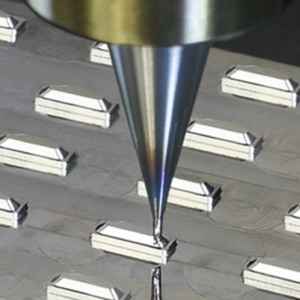
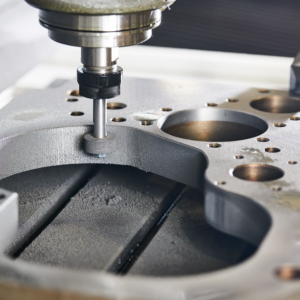
CNC manufacturing encompasses a wide range of machines, each designed for specific tasks. For example, CNC milling machines are used to cut and shape materials, while CNC lathes are employed for rotational parts. CNC routers, on the other hand, excel in intricate designs and carvings. The diversity of CNC machines allows for customization and specialization within the manufacturing industry.
Usage of CNC Manufacturing
CNC manufacturing finds applications in numerous industries, including aerospace, automotive, medical devices, and more. In aerospace, CNC machines create precise components for aircraft, contributing to safety and performance. In the medical field, CNC technology is used to manufacture intricate surgical instruments and prosthetics, ensuring accuracy and reliability.
Difference Between CNC Manufacturing and Other Normal Manual Machine Manufacturing
CNC manufacturing differs significantly from traditional manual machine manufacturing. In manual manufacturing, operators control machines directly, which can lead to variations in product quality. CNC manufacturing, on the other hand, relies on computer control, guaranteeing consistent and precise results.
Advantages Of CNC Manufacturing
The advantages of CNC manufacturing are multifaceted.
Firstly, CNC machines offer unparalleled precision, resulting in high-quality products.
Moreover, they are cost-effective, as they reduce material waste and labor costs.
Finally, CNC technology allows for easy customization and flexibility, enabling manufacturers to adapt quickly to changing demands.
Conclusion
In conclusion, CNC manufacturing is a game-changer in the world of production. Its precision, efficiency, and versatility have made it an indispensable tool in various industries. By understanding the purpose, types, and advantages of CNC manufacturing, we can appreciate its significance in shaping the products that surround us. Now that you have a clearer understanding of CNC manufacturing, consider its potential in your industry and how it can improve your production processes.