

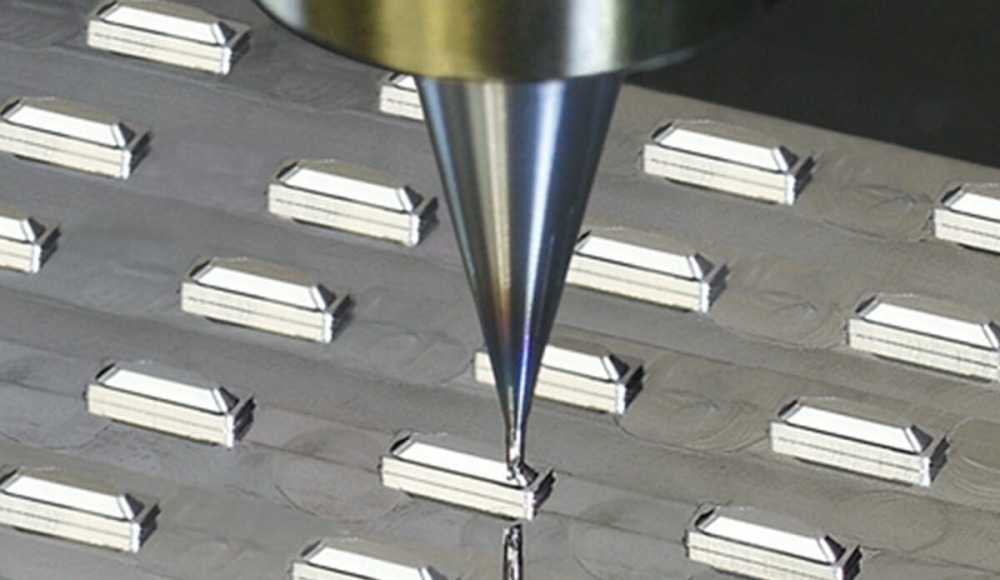
Introduction to Micromachining
Micromachining is the hidden force behind precision engineering and manufacturing. In this article, we’ll delve deep into the world of micromachining, understanding what it is, its purpose, and its diverse applications. Micromachining is a fascinating world where small components become essential in a multitude of industries.
What is Micromachining?
Micromachining is a precision manufacturing process that deals with the fabrication of tiny components and structures, often on a microscale. It involves highly specialized techniques and tools to create intricate and minuscule parts with unmatched accuracy.
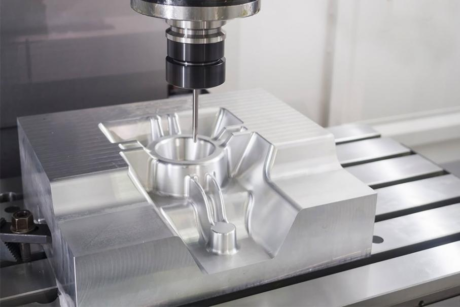
The Art of Micromachining: A Detailed Exploration
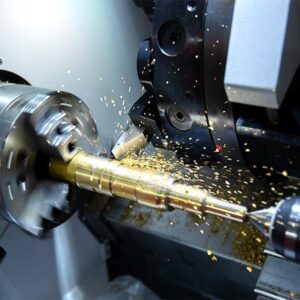
Micromachining is all about crafting components with exceptional precision. It encompasses a range of techniques, such as micro-milling, micro-turning, micro-drilling, and micro-electro-discharge machining. Each technique plays a unique role in achieving extraordinary levels of precision.
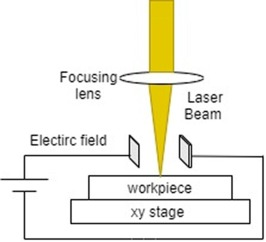
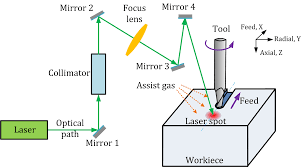
Micromachining is a remarkable and highly specialized manufacturing process that pushes the boundaries of precision to an entirely new level. It’s a technique that involves the creation of minuscule components and structures, often on a microscale. This field of engineering and fabrication is as much an art as it is a science, with its practitioners mastering the craft of crafting on a scale that challenges the limits of human perception.
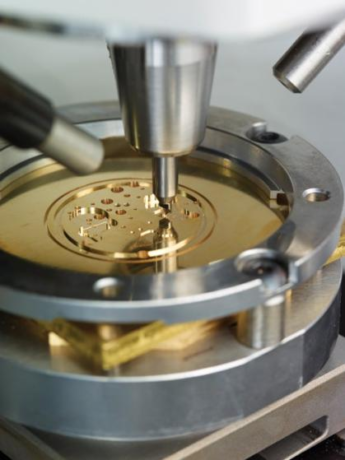
In the realm of micromachining, the materials involved are minuscule, and the precision required is exceptional. The techniques applied encompass a range of disciplines, each tailored to address specific manufacturing challenges. These techniques include micro-milling, micro-turning, micro-drilling, and micro-electro-discharge machining (micro-EDM). Each of these approaches possesses its own unique attributes and capabilities, allowing manufacturers to create precise components with extraordinary accuracy.
The Purpose Behind Micromachining
The primary purpose of micromachining is to create components and structures that are too small for traditional machining methods. These tiny parts are crucial in various industries, particularly in fields where precision and miniaturization are paramount.
At its core, the purpose of micromachining is to fabricate components and structures that are simply too small for conventional machining methods to handle effectively. These minute parts are essential in a wide array of industries, particularly in fields where precision and miniaturization are of paramount importance.
Utilizing Micromachining: A World of Possibilities
Micromachining opens up a world of possibilities. It enables the creation of micro-components used in medical devices, aerospace technologies, electronics, and more. The precision offered by micromachining enhances the functionality and performance of various products.
Micromachining in Action: Real-World Applications
Micromachining is not confined to the laboratory; it’s actively shaping our world. It is the driving force behind the manufacturing of microsensors for medical applications, tiny components in electronic devices, and even micro-optics used in cameras and smartphones.
Multi-Axis Machining: Elevating Precision
Multi-axis machining is an integral part of micromachining. It allows for intricate shapes and precise angles to be achieved with remarkable accuracy. This technology is vital in industries where every fraction of a millimeter counts.
Prototype Machining: Turning Ideas Into Reality
Prototype machining is where concepts take physical form. Micromachining is instrumental in creating prototypes of new designs and inventions, allowing engineers and designers to test their ideas and innovations in the real world.
Fitting and Machining: Precision in Engineering
Fitting and machining is a discipline where micromachining shines. It is the cornerstone of precision engineering, producing components that fit together with remarkable accuracy, whether in the aerospace industry or in everyday consumer products.
Conclusion
Micromachining is where precision meets minuteness. Its applications are far-reaching, and its impact on various industries is immeasurable. From the tiniest components in medical devices to the most intricate parts in electronic gadgets, micromachining plays a vital role in shaping the modern world.
FAQs
1. How Small Can Micromachining Go?
Micromachining can create components as small as a few micrometers, depending on the techniques and tools used.
2. What Materials Can Be Used in Micromachining?
A wide range of materials, including metals, ceramics, and polymers, can be used in micromachining, depending on the specific requirements of the project.
3. Can Micromachining Be Used for Mass Production?
While micromachining is often used for small production runs and prototyping, it can also be adapted for mass production in industries where precision is critical.
4. What Industries Benefit the Most From Micromachining?
Medical, aerospace, electronics, and telecommunications industries are among the primary beneficiaries of micromachining due to their need for precision miniaturized components.
5. How Do I Choose the Right Micromachining Service Provider?
When selecting a micromachining service provider, consider factors such as experience, expertise, and a proven track record in your specific industry. Reviewing past projects and seeking recommendations can help you make an informed choice.
1 thought on “Micromachining: Where Precision Meets The Micro World”